






More Legal and Health Articles
Florida Wrongful Death Claims: Who Can File on Behalf of the Family?
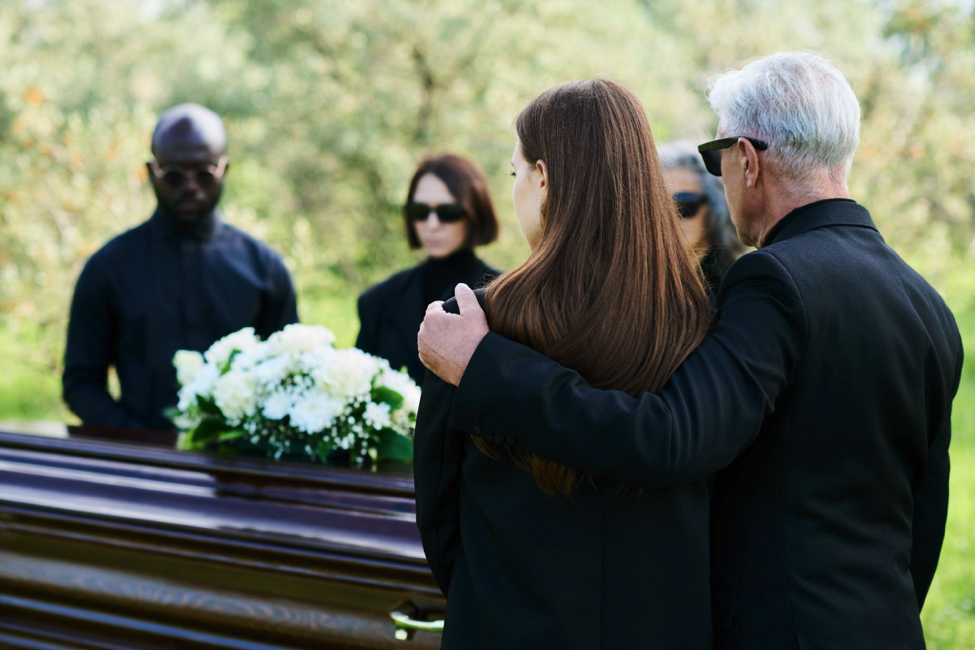
When someone dies because of another party’s negligence or wrongful act, Florida law provides a legal mechanism for the surviving family to seek compensation. That mechanism, the wrongful death claim, is governed by the Florida Wrongful Death Act under Chapter 768 of the Florida Statutes, and it comes with specific rules about who may bring the lawsuit, who stands to recover, and what damages are available. The structure of these claims differs meaningfully from a standard personal injury case, and understanding those differences matters before any legal action is taken.
Who Has the Legal Authority to File
Under Florida Statutes § 768.20, a wrongful death action must be filed by the personal representative of the deceased person’s estate, not by individual family members acting independently. According to a Miami wrongful death lawyer, this requirement often comes as a surprise to families who assume that a surviving spouse or adult child can file directly on their own behalf, since Florida law channels the claim through the estate’s representative regardless of who ultimately receives the proceeds. The personal representative may be named in the decedent’s will or appointed by a probate court if no will exists or if no representative has been designated.
The personal representative acts on behalf of both the estate and the surviving family members, sometimes called statutory survivors, whose losses are included in the claim. This structure means a single lawsuit encompasses the estate’s damages alongside the individual losses of each eligible survivor, rather than requiring separate filings from each family member.
Which Family Members Are Considered Statutory Survivors
Florida law identifies specific categories of people who may recover damages as survivors in a wrongful death action. Under § 768.18, statutory survivors include the surviving spouse, children of the deceased, and parents of a deceased minor. Parents of an adult child may also recover if the decedent left no surviving spouse or children.
Blood relatives and adoptive siblings who were wholly or partly dependent on the deceased for support or services may also qualify under certain circumstances. The statute defines these relationships precisely, and whether a particular family member falls within a covered category depends on both the relationship itself and the financial or dependency connection to the person who died.
What Damages the Estate Can Recover
The estate itself may seek damages for losses that are distinct from what individual survivors claim, including medical bills and lost wages tied to the fatal injury. Under § 768.21, the estate may recover the deceased person’s lost earnings from the date of injury to death, loss of prospective net accumulations, meaning future earnings the person would likely have accumulated, and medical and funeral expenses resulting from the injury that caused death.
Lost prospective net accumulations are calculated based on the deceased person’s age, health, life expectancy, and earning history. These figures require evidentiary support, typically through financial records and, in litigated cases, testimony from professionals qualified in economic analysis.
What Individual Survivors Can Recover
Each category of statutory survivor may seek different types of compensation depending on their relationship to the deceased. A surviving spouse may recover for loss of companionship, protection, and mental pain and suffering. Minor children are entitled to claim lost parental companionship, instruction, and guidance, as well as mental pain and suffering.
Parents of a deceased minor child may seek damages for mental pain and suffering. However, under a 2023 amendment to § 768.21, parents of an adult child and adult children of a deceased parent are generally no longer permitted to recover non-economic damages such as pain and suffering in most wrongful death cases. That change narrowed the class of survivors who can claim non-economic losses compared to the prior law, and it has been the subject of ongoing legal discussion since its enactment.
The Two-Year Deadline for Filing
Florida imposes a two-year statute of limitations on wrongful death claims under § 95.11(4)(d), measured from the date of the deceased person’s death rather than the date of the underlying incident. Failing to file within that period generally extinguishes the right to bring the claim, with limited exceptions.
Claims against government entities require the additional step of submitting a pre-suit notice under the Florida Tort Claims Act before filing suit. That notice must be submitted to the appropriate agency within three years of the incident, and the lawsuit itself is subject to additional procedural requirements that differ from claims against private defendants.
Florida’s Wrongful Death Framework Shapes Every Step of the Process
The Florida Wrongful Death Act establishes a structured process that controls who files, who recovers, and what losses are compensable. The requirement that the personal representative bring the action, the defined list of statutory survivors, the separation between estate damages and survivor damages, and the filing deadline all work together to form a framework that determines the scope and direction of the claim from the outset. Families considering this type of action benefit from understanding each component before the process begins.
Other Articles You May Find of Interest...
- The Physical and Emotional Recovery Timeline After a Car Accident
- How Are Lost Financial Support and Future Earnings Calculated in a Wrongful Death Case in Buffalo?
- What Michigan’s 12-Plant Home Grow Law Allows—and the Health and Safety Issues to Know
- What Actually Governs A Ketamine Clinic In Arizona
- How a Tucson Medical Malpractice Lawyer Reviews a Potential Claim
- 7 Steps to Protect Important Evidence After an Injury in Santa Monica
- How Are Future Medical Expenses Estimated in a Stockbridge Injury Settlement?





