More Dental Health Articles
Recovery Tips After Restorative Dental Procedures in Oklahoma City
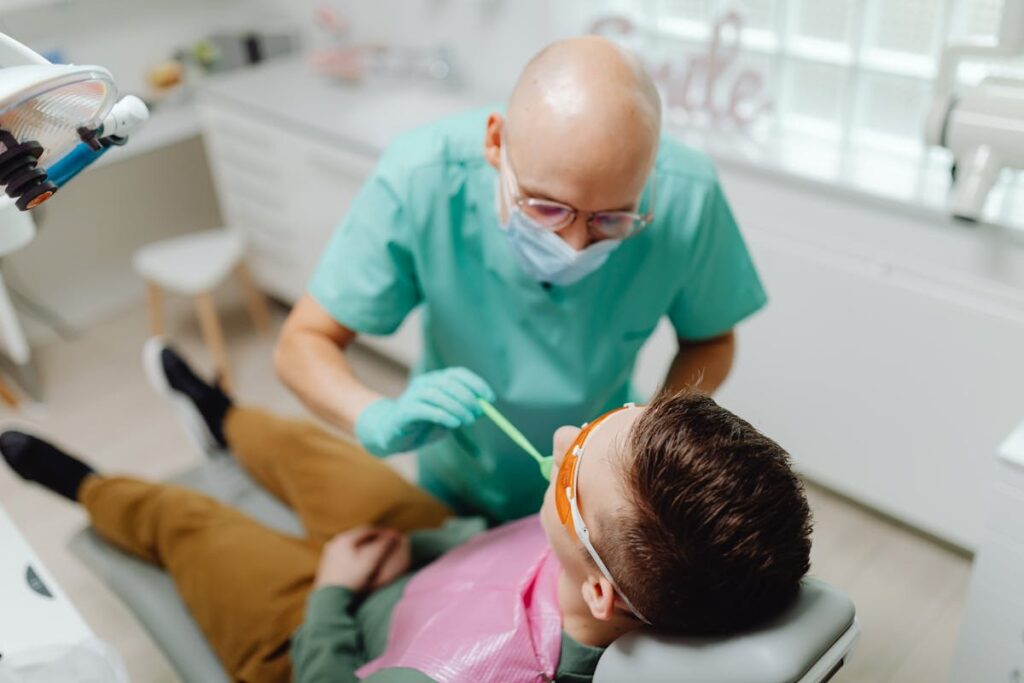
The American Dental Association’s 2024 clinical guidelines show that patients who follow structured recovery protocols after restorative procedures experience 40% fewer post-treatment complications compared to those who don’t. Yet in Oklahoma City’s bustling dental landscape, many patients walk out of their appointments with little more than basic aftercare instructions, leaving them unprepared for the critical first days when healing happens fastest. As restorative dentistry has evolved from simple fillings to complex multi-visit reconstructions, the gap between treatment success and patient recovery knowledge has widened significantly. Whether you’re facing a crown placement, extensive filling work, or more involved restoration, understanding the practical aspects of recovery can determine whether your investment in oral health pays off for decades or requires costly revisions down the road.
Why Proper Recovery Matters After Restorative Procedures
The success of any restorative dental work hinges on what happens in the days and weeks following treatment, not just the technical skill displayed during the procedure itself. When tissues are disrupted during restoration placement, your mouth initiates a complex healing cascade that must proceed without interference to achieve optimal outcomes. Disrupted healing doesn’t just mean temporary discomfort — it can compromise the long-term bond between your restoration and natural tooth structure, leading to premature failure and the need for replacement.
Consider someone who receives a crown on a back molar and immediately returns to chewing ice chips and hard candies. The cement securing that crown needs 24-48 hours to reach full strength, and premature loading can create microscopic gaps that eventually harbor bacteria. Within months, decay can develop beneath what appeared to be a successful restoration, necessitating removal and replacement of the entire crown.
The inflammatory response that naturally follows dental work serves a protective purpose, but it requires careful management. Excessive inflammation can delay healing and increase sensitivity, while insufficient blood flow to the area can slow tissue repair. Your body’s ability to lay down new collagen fibers and re-establish healthy tissue depends on maintaining the right balance of rest, nutrition, and gentle stimulation during the recovery window.
Modern restorative materials, while remarkably durable, need time to integrate with your oral environment. Composite fillings continue to cure and strengthen for days after placement, while ceramic restorations require the surrounding tissues to adapt to their presence. Rushing this process by returning immediately to normal function often backfires, extending recovery time rather than shortening it.
Key Best Practices for Recovery After Restorative Treatments
Managing pain and swelling effectively forms the foundation of successful recovery, but timing matters more than intensity when it comes to medication protocols. Taking anti-inflammatory medication before severe pain sets in proves far more effective than waiting until discomfort peaks. Most dentists recommend starting ibuprofen within an hour of leaving the office, following a schedule rather than waiting for pain to emerge. This proactive approach prevents the inflammatory cascade from building momentum while maintaining therapeutic blood levels of the medication.
Dietary modifications during the first 48-72 hours can make or break your recovery experience. Hot foods and beverages should be avoided entirely until numbness completely wears off — many patients accidentally burn their tongue or cheek tissues while still partially anesthetized. Cold, soft foods like yogurt, smoothies, and ice cream not only feel soothing but also help minimize swelling through gentle vasoconstriction. Avoiding the treated side for chewing prevents premature stress on new restorations and reduces the risk of biting traumatized soft tissues.
Oral hygiene requires a delicate balance between maintaining cleanliness and avoiding disruption of healing tissues. Gentle rinsing with warm salt water begins 24 hours after treatment, but aggressive swishing or spitting can dislodge clots and delay healing. When brushing around treated areas, use a soft-bristled toothbrush with minimal pressure, focusing on plaque removal without traumatizing tender gums. Many patients make the mistake of avoiding the area entirely, which allows bacterial buildup that can complicate healing.
Sleep positioning plays an underappreciated role in recovery comfort. Elevating your head with extra pillows for the first few nights reduces blood pooling in facial tissues and minimizes morning swelling. This simple adjustment can mean the difference between waking up refreshed and starting the day with significant discomfort that takes hours to subside.
Physical activity restrictions aren’t arbitrary — they’re designed to prevent complications that can set recovery back by weeks. Heavy lifting, strenuous exercise, and activities that increase blood pressure should be avoided for 48-72 hours after extensive restorative work. The increased circulation from vigorous activity can exacerbate swelling and prolong the inflammatory response, particularly after procedures involving multiple teeth or significant tissue manipulation.
How Modern Restorative Techniques Influence Recovery
Minimally Invasive Techniques and Their Benefits
Digital dentistry has revolutionized treatment planning, allowing practitioners to preserve maximum healthy tooth structure while achieving predictable results. CAD/CAM technology enables same-day restorations that require less aggressive tooth preparation than traditional methods, which translates directly into reduced post-treatment sensitivity and faster healing times. When less enamel and dentin need removal, the nerve inside the tooth experiences less trauma, minimizing the inflammatory response that drives much of post-procedure discomfort.
Laser-assisted preparation techniques represent another significant advancement in patient comfort. Dental lasers can selectively remove decay while leaving healthy tissue undisturbed, resulting in preparations that heal faster and require less aggressive anesthesia. Patients often report dramatically reduced sensitivity following laser-prepared restorations compared to those created with traditional drilling methods. The precision of laser energy also creates smoother preparation margins, leading to better restoration fit and reduced risk of bacterial infiltration.
Air abrasion systems offer another minimally invasive option for smaller restorations, using a stream of fine particles to remove decay without heat or vibration. This technique preserves more tooth structure and eliminates the need for anesthesia in many cases, allowing for immediate return to normal function. The psychological benefits of avoiding injections and drilling sounds shouldn’t be underestimated — reduced anxiety correlates with better healing outcomes.
Advanced Materials Improving Healing Outcomes
Bioactive restorative materials represent a significant leap forward in promoting healing rather than simply replacing lost tooth structure. These modern composites release fluoride, calcium, and phosphate ions over time, actively remineralizing the surrounding tooth structure and reducing the risk of secondary decay. The chemical integration between bioactive materials and natural tooth structure creates a more stable, long-lasting restoration that requires less frequent replacement.
Glass ionomer cements and resin-modified glass ionomers offer unique advantages during the healing phase due to their ability to bond chemically to tooth structure rather than relying purely on mechanical retention. This chemical bond continues to strengthen over time, actually improving with age rather than degrading. These materials also expand and contract at rates similar to natural tooth structure, reducing stress at the restoration margins that can lead to microleakage and sensitivity.
Advanced ceramic systems like lithium disilicate and zirconia provide exceptional biocompatibility, meaning your tissues accept them readily without prolonged inflammatory responses. The smooth, non-porous surfaces of these ceramics resist bacterial adhesion better than older materials, reducing the risk of gum irritation and secondary decay around restoration margins. This improved tissue response translates into more comfortable healing and better long-term gum health around treated teeth.
Common Challenges During Recovery and How to Avoid Them
Typical Recovery Problems Experienced by Patients
Post-operative sensitivity ranks as the most frequent complaint following restorative treatment, often catching patients off guard even after routine procedures. This sensitivity typically manifests as sharp, brief pain when consuming hot, cold, sweet, or acidic foods and drinks. While some sensitivity is normal as the tooth’s nerve recovers from treatment trauma, persistent or worsening symptoms may indicate complications like incomplete sealing of the restoration or nerve inflammation requiring intervention.
Soft tissue irritation frequently occurs when new restorations have slightly different contours than the original tooth structure. Your tongue, cheeks, and gums need time to adapt to these changes, and initial soreness is common. However, sharp edges or overextended margins on restorations can cause ongoing trauma that prevents adaptation. Any rough spots that continue causing discomfort after the first week warrant professional evaluation and adjustment.
Bite problems emerge when restorations are even slightly high, causing premature contact during chewing. This seemingly minor issue can trigger a cascade of problems including jaw muscle tension, tooth sensitivity, and accelerated wear of the restoration itself. Many patients assume they’ll adapt to bite changes over time, but persistent pressure on a high restoration often leads to nerve damage requiring root canal treatment.
Evidence-Based Strategies to Prevent Complications
Medication compliance during the critical first 72 hours significantly impacts recovery outcomes. Research shows that patients who maintain consistent anti-inflammatory medication levels experience 30% less post-operative pain and return to normal function faster than those who take medications sporadically. Setting phone alarms for medication times removes guesswork and ensures therapeutic levels are maintained throughout the most vulnerable healing period.
Temperature awareness prevents many sensitivity episodes that can derail recovery. Using room temperature water for rinsing and avoiding temperature extremes in food and drinks for the first week allows inflamed nerve tissues to calm down gradually. Many patients find that drinking through a straw helps bypass treated teeth entirely during the most sensitive period.
Professional follow-up timing matters more than most patients realize. Scheduling a brief check-up within 2-3 weeks allows early detection of complications when they’re easily correctable. Issues like high spots on restorations, rough margins, or early signs of gum irritation can be addressed with simple adjustments that prevent more serious problems from developing. Those who wait for scheduled cleaning appointments often discover complications after they’ve progressed to require more extensive treatment.
What to Expect Long-Term from Restorative Dental Care
The true measure of restorative treatment success isn’t just immediate comfort, but how well your oral health trajectory changes over the years following treatment. Well-executed restorations should eliminate the progressive decay that necessitated treatment in the first place, breaking the cycle of increasing dental problems that many patients experience. Within six months, most patients notice improved chewing efficiency and reduced sensitivity compared to their pre-treatment condition, even if the original tooth wasn’t causing obvious symptoms.
Your maintenance routine becomes more important, not less, after receiving restorative dental solutions that address significant structural damage. The margins where restorations meet natural tooth structure require meticulous cleaning to prevent bacterial accumulation that can undermine even the most expertly placed restoration. Professional cleanings every 3-4 months during the first year help establish optimal tissue health around new restorations and allow early intervention if problems arise.
The investment you’ve made in restorative care pays dividends beyond just the treated teeth. Research consistently shows that patients who address restorative needs promptly experience better overall oral health outcomes, including reduced risk of gum disease and tooth loss in other areas of the mouth. The confidence that comes from knowing your oral health is stable often motivates better home care habits that benefit your entire smile.
Most quality restorations should provide 10-15 years of reliable service with proper care, but this longevity depends heavily on how well you support the healing process in those critical first weeks. The habits you establish during recovery — careful chewing, consistent oral hygiene, regular professional care — become the foundation for maximizing your investment in oral health for decades to come.
Other Articles You May Find of Interest...
- Why Your Teeth May Look Healthy but Still Need Dental Attention
- What Goes Into Developing an Alcohol-Free Mouthwash Beyond the Ingredient List
- 6 Best Dentist Options in Reston, Virginia for Family, Cosmetic, and Emergency Care
- Why Comprehensive Dental Care Matters at Every Stage of Life
- Why Preventive Dental Care Matters at Every Stage of Life
- Colored Braces: A Practical Guide for Teens and Parents in the UAE
- Brushing Teeth for Kids: Secrets to Making Healthy Habits Actually Stick
Featured Doctors and Practices