






More Allergy, Asthma & Infectious Disease Articles
Cold Sore or Ingrown Hair on Your Lip: How to Tell the Difference?
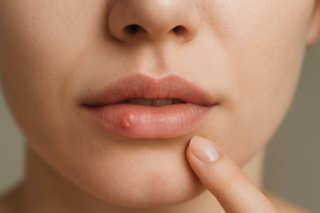
Picture this: You’ve noticed a strange bump on your lip and you’re unsure whether it’s a cold sore or an ingrown hair. Deciding which it is can be crucial not only for treatment but also for preventing further outbreaks or infections. Both of these issues can affect your appearance and daily life, especially when eating, talking, or even smiling. Understanding the difference between a cold sore vs ingrown hair on lip is essential for managing your symptoms effectively.
Recognizing Cold Sores on the Lip
Cold sores, also known as fever blisters, are small, fluid-filled blisters that usually appear on or around the lips. They are caused by the herpes simplex virus and can be triggered by stress, sun exposure, or a weakened immune system. Cold sores often start with a tingling or burning sensation before the blister forms.
This viral infection is highly contagious, even when sores are not visible, and can be passed through close personal contact. Cold sores typically heal on their own within two to four weeks, but antiviral medications may help speed up the healing process.
Spotting an Ingrown Hair
An ingrown hair on the lip can occur after shaving or waxing. When a hair curls back or grows sideways into the skin, it can cause a small, raised bump that might look red and swollen. Unlike cold sores, ingrown hairs are not contagious and are typically less painful.
While ingrown hairs can be annoying, they usually resolve on their own. Keeping the area clean and avoiding further irritation is often helpful. Exfoliating gently can also assist in freeing the trapped hair and preventing future occurrences.
When to Seek Care
If your lip bump is persistent, painful, or frequently recurring, it’s time to consult a healthcare provider. A dermatologist can help diagnose your condition accurately and suggest an appropriate treatment plan if needed. Additionally, if you’ve been diagnosed with cold sores but experience frequent outbreaks, a healthcare provider can discuss preventive strategies and treatment options with you.
Managing Pain and Discomfort
Pain from cold sores can be managed with topical creams or over-the-counter pain relievers. It’s important to apply treatments at the first sign of a sore to maximize effectiveness. Ingrown hairs, on the other hand, often benefit from gentle skin care practices. Applying a warm compress can soothe the area and help reduce swelling.
For both conditions, avoiding further irritation is key. Be gentle when washing your face and using skincare products, and avoid picking at or squeezing the affected area as this can lead to scarring or infection.
How Lifestyle Choices Impact Lip Health
Your day-to-day habits can have a significant impact on your skin health, including your lips. Staying hydrated, maintaining a healthy diet, and practicing good hygiene are foundational for keeping your skin in good condition. Additionally, managing stress and protecting your skin from the sun with lip balm containing SPF can help minimize outbreaks of cold sores.
If you’re interested in how overall lifestyle choices affect health, check out this article on how lifestyle choices impact our overall health.
Cold Sore vs Ingrown Hair on Lip: Key Differences
It’s crucial to differentiate between a cold sore vs ingrown hair on lip as they require different treatments and have different implications for your health. Cold sores are viral and contagious, often recurring and needing specific antiviral treatment, while ingrown hairs are more about proper skincare and can be prevented with regular grooming techniques.
- Cold sores are viral and contagious; ingrown hairs are not.
- Cold sores can cause more discomfort and sometimes require antiviral treatments.
- Ingrown hairs usually respond well to gentle skincare practices.
- Prevention and management strategies differ for each condition.
Common Questions
When should I see a doctor for lip lesions?
See a doctor if you experience frequent outbreaks, have a sore that doesn’t heal, or if the pain or swelling is severe. Persistent or unusual symptoms should always be evaluated by a professional.
What type of provider should I consult?
Dermatologists specialize in skin conditions and are best suited to diagnose and treat lip lesions. Your primary care doctor can also provide guidance and refer you to a specialist if necessary.
Can lifestyle changes help prevent cold sores or ingrown hairs?
Yes, a healthy lifestyle can help. Staying hydrated, protecting your skin from the sun, and managing stress can reduce cold sore outbreaks. Proper shaving techniques and regular exfoliation can help prevent ingrown hairs.
How can I tell if I have a cold sore or an ingrown hair?
Look for the initial sensation: cold sores usually start with a tingling or burning feeling before blisters form, while ingrown hairs tend to appear after hair removal and resemble small, swollen bumps.
Where can I find more information on skin health?
For further reading on skin health topics, you can explore reliable resources such as MedlinePlus Health Topics.
Other Articles You May Find of Interest...
- Cold Sore or Ingrown Hair on Your Lip: How to Tell the Difference?
- Is Hydrocortisone Cream Effective for Treating Ringworm?
- Is It Possible to Spread HSV-1 by Kissing Without an Outbreak?
- Do Antihistamines Affect Blood Thinning? Discover the Facts
- Identifying Wheezes and Crackles: What They Mean for Your Health
- Discovering Proventil: Key Insights and Benefits for Asthma Management
- Is Singulair Effective for Cough Relief? Discover the Facts




