More Beauty Skin Care & Gorgeous Smiles Articles
Why Does Your Face Flush at Night? Exploring Causes and Solutions
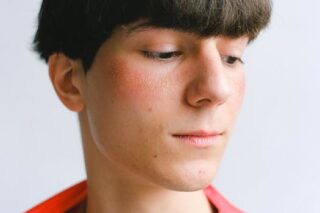
Imagine getting cozy in bed, ready for a good night’s sleep, only to find your cheeks turning crimson red. This unsettling scenario isn’t uncommon and may leave you wondering about the causes of facial flushing at night. While it can be a source of embarrassment during the day, experiencing it at night raises concerns about sleep quality and overall health. Let’s explore some typical reasons why your face might flush in the evenings and what you can do about it.
Possible Causes of Nighttime Facial Flushing
Several factors could lead to your face turning red during the night. It’s essential to consider your overall health, lifestyle, and even the temperature of your bedroom as potential contributors.
Hormonal Changes
Hormonal fluctuations are often cited as a culprit for facial flushing at night. For example, during menopause, women may experience hot flashes that can cause the face to become red, mostly happening during nighttime sleep.
Environmental Factors
The temperature in your sleeping environment can play a significant role. A bedroom that’s too warm may lead to overheating, prompting your body’s natural cooling processes, such as increased blood flow to the skin, resulting in a flushed appearance.
Alcohol and Diet
What you consume can also lead to facial flushing. Alcohol is a known trigger, as it causes blood vessels to expand, which can lead to a redder complexion. Similarly, spicy foods can increase blood flow to the face, especially if consumed close to bedtime.
Skin Conditions
Certain dermatological conditions like rosacea might get worse during the evening. This condition leads to redness and visible blood vessels in your face. People with rosacea may notice their symptoms worsened by warmth or stress, conditions that are encountered during sleep.
When to Seek Care
If facial flushing becomes painful, disruptive, or frequent, it’s time to consider professional advice. Dermatologists and endocrinologists are specialists who can help in diagnosing the underlying cause. Visit a healthcare provider if the flushing is accompanied by other symptoms like difficulty breathing, swelling, or a persistent rash.
Medications and Side Effects: What to Know
Certain medications might cause facial flushing as a side effect. Blood pressure medications, such as niacin, are known for inducing redness. If you suspect your medication is causing nighttime facial flushing, consult your doctor about alternatives or adjustments.
It’s crucial not to stop or alter medication without discussing it with a healthcare provider, as this could lead to complications. Your doctor can help determine if it’s appropriate to switch meds or tweak dosages.
Addressing Everyday Disruptions
While facial flushing might seem like a minor inconvenience, its impact on sleep quality can create a significant ripple effect in daily life. Restless nights often lead to lack of focus and fatigue during waking hours, affecting work and personal responsibilities. Customizing your sleeping environment to be cooler and monitoring your alcohol and spice intake may help mitigate these nocturnal episodes.
Exploring Nutritional and Lifestyle Adjustments
While no single food or herb can “cure” facial flushing, some lifestyle choices may help manage symptoms. Nutrient-rich diets that support vascular health, stress-reducing activities like meditation, and cooling pads for sleep are practical starting points. Remember, some steps may not work for everyone, so individualized assessments are beneficial.
For more insights on recognizing symptoms of underlying conditions that might cause flushing, refer to our article on Recognizing the Signs of Hemochromatosis. Additionally, learn more about managing skin conditions like rosacea at Mayo Clinic.
Takeaways
- Facial flushing at night can be due to hormones, environment, or dietary choices.
- Hot flashes, bedroom temperature, and alcohol are common triggers.
- Consult a doctor if flushing is persistent or accompanied by other symptoms.
- Never adjust medications without medical guidance.
- Consider lifestyle adjustments for better management.
Common Questions
What type of doctor should I see for facial flushing?
Dermatologists and endocrinologists can provide specialized care for skin and hormonal-related concerns.
Can facial flushing at night be prevented?
While not always entirely preventable, managing room temperature, diet, and stress levels can help reduce occurrences.
Could my medication be causing facial flushing?
Yes, some medications list facial flushing as a side effect. Discuss with your healthcare provider if you suspect this is the case.
How does facial flushing affect my daily life?
It’s an undesired cosmetic issue for many, but more importantly, it can disrupt sleep and lead to fatigue and irritability.
Other Articles You May Find of Interest...
- Botox vs Dysport vs Xeomin: Which Neuromodulator Is Right for You?
- Understanding PDRN Therapy: The Science Behind Skin Barrier Repair and Tissue Regeneration
- Who Is a Suitable Candidate for Breast Augmentation?
- Peptides vs Retinoids for Sensitive Skin: Why Matrixyl 3000 and CoQ10 Are Changing the Conversation
- Whitehead or Pustule? How to Tell These Acne Bumps Apart
- What Patients Should Know About Skin Removal Surgery
- Breast Augmentation vs. Breast Lift: Understanding the Difference