






More Mental Health Articles
Is Your Skin Reacting to Seroquel? Understanding the Seroquel Rash
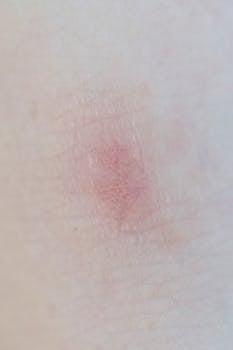
Imagine starting a new prescription, feeling hopeful about its benefits, only to notice unexpected changes to your skin. For some people using Seroquel—a medication commonly prescribed for mental health conditions—this scenario may seem all too familiar. The phenomenon known as a seroquel rash can be understandably concerning. While skin reactions are a known, albeit rare, side effect of this medication, understanding them can guide you in managing your health more effectively.
What Causes a Rash from Seroquel?
Seroquel (quetiapine) is an atypical antipsychotic used to treat conditions like schizophrenia, bipolar disorder, and depression. While effective for many, it can occasionally lead to skin reactions due to the body’s unique interaction with the medication. A rash could appear as redness, bumps, or even itchy patches on the skin. Such reactions are generally mild, but for some, they may signal a more serious condition like Stevens-Johnson syndrome, although this is quite rare.
Seroquel Rash: Recognizing the Symptoms
If you notice new skin changes after beginning Seroquel, monitor any rash carefully. Typical symptoms might include redness, itching, or a warm sensation on the affected area. It’s important to note if the rash spreads or if you experience systemic symptoms like fever or swelling, which could indicate a severe reaction. Consult with your healthcare provider to assess whether the rash is related to Seroquel or another cause.
Day-to-Day Management and Expectations
Living with a rash, particularly one that causes discomfort, can affect daily life. For instance, choosing clothing becomes a matter of finding materials that minimize irritation, and greater attention may be needed for skincare routines. While coping with a persistent rash, maintaining open communication with your doctor can help in determining whether Seroquel should be continued or if alternatives need consideration.
When to Seek Care
If the rash persists, worsens, or is accompanied by symptoms like fever, swelling, or difficulty breathing, it’s essential to see a healthcare professional promptly. Dermatologists or general practitioners can evaluate skin reactions and may recommend alternative treatments or medications. Stopping Seroquel or changing dosages should never occur without professional advice since abrupt changes can affect mental health stability.
What to Ask Your Doctor
Before switching medications or stopping Seroquel, you should discuss several important considerations with your healthcare provider. Ask about the likelihood of the rash resolving over time or with dosage adjustments. Inquire if another medication might be more suitable and whether temporary relief from the rash could be achieved with topical treatments or antihistamines. Your doctor can guide the best course of action based on your overall health and treatment goals.
Understanding Medication Changes
If your doctor recommends switching medications, it generally involves a tailored plan to minimize interference with existing treatment. This might mean tapering off Seroquel slowly before starting another medication, as sudden changes can be destabilizing. Each patient responds uniquely, highlighting the importance of a personalized treatment plan.
More information about innovations in mental health treatments and alternatives to current medications can be read in our article A Revolutionary Way to Treat OCD: Exploring New Therapies.
Common Questions
What should I do if I see a rash after taking Seroquel?
Monitor the rash closely. If the rash worsens, or if you experience symptoms like fever or swelling, consult your healthcare provider immediately.
Can I stop taking Seroquel if a rash develops?
Do not stop taking Seroquel without consulting your healthcare provider, as suddenly stopping can have significant effects on your mental health.
Is the seroquel rash dangerous?
Most rashes are mild. However, if the rash is severe or accompanied by other symptoms, it may signal a more serious condition that requires immediate medical attention.
Who can diagnose and treat medication rashes?
Dermatologists and general practitioners are equipped to evaluate medication-induced rashes. They can recommend appropriate interventions or changes to your medication regimen.
Are other medications an option if I am allergic?
Yes, there are alternative medications available. Your healthcare provider can suggest options based on your medical history and treatment needs.
Though a seroquel rash can be a troubling experience, understanding its potential causes and effects is crucial in managing your health. Should you have concerns, engaging in an open dialogue with your doctor can lead to a more tailored and effective care plan. Always seek professional guidance when considering changes to your treatment.
- Seroquel can cause rare skin reactions; monitor for any changes.
- Consult healthcare providers for serious or persistent rashes.
- Consider talking to your doctor about medication alternatives if a rash occurs.
- Don’t stop or alter your dosage without professional advice.
- Know when to seek urgent care for accompanying symptoms of a rash.
For comprehensive general information on health topics, visit this resource.
Other Articles You May Find of Interest...
- Is Your Skin Reacting to Seroquel? Understanding the Seroquel Rash
- Navigating the Relationship Between Prozac and Ativan for Mental Health Management
- Fluvoxamine Maleate Side Effects: What You Need to Know for Your Health
- Can Ativan Alleviate Symptoms of Depression?
- Cymbalta Dizziness: What Causes It and How to Manage Symptoms
- How Relationship Counseling Can Improve Communication and Trust
- How Virtual Therapy Is Expanding Access to Mental Health Support




