






More Pain Management & Rehabilitation Articles
Recognizing the Symptoms and Treatment of a Hairline Fracture in the Arm
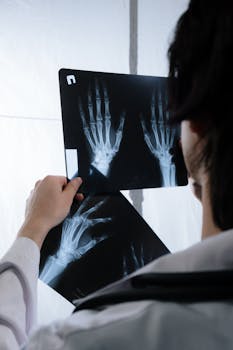
If you’ve ever fallen or sustained a direct blow to the arm but noticed only mild pain and minimal swelling, you may be dealing with a hairline fracture in the arm. Unlike complete breaks, a hairline fracture, or stress fracture, often doesn’t display dramatic symptoms, making it easy to overlook. However, recognizing the subtle signs is crucial for proper healing.
Hairline Fracture in the Arm: Symptoms and Signs
The symptoms of a hairline fracture in the forearm can be quite subtle. People might notice mild pain at a specific spot, especially when using the arm, and some swelling may develop. Tenderness to touch is common, and pain can intensify with increased activity or pressure.
Symptoms of a hairline fracture in the forearm can vary based on the severity of the injury and individual pain tolerance. Some might feel a slight ache that worsens when grasping, lifting, or other arm-related activities. Reduced range of motion or difficulty using the arm for daily tasks can signal the need for closer inspection.
How Hairline Fractures Impact Daily Life
A hairline fracture on the forearm can unexpectedly affect one’s routine. Activities like typing, cooking, or lifting objects might become painful, leading individuals to alter their habits. Compensating for the injured arm can strain other parts of the body, potentially causing additional discomfort or injury.
Treatment Options for Hairline Fractures
Treating a hairline fracture in the forearm typically involves rest and immobilization. Applying ice can help control swelling and relieve pain. In some cases, over-the-counter pain medications may be recommended, but it’s wise to consult a healthcare provider for guidance.
Immobilization usually involves wearing a brace or splint to keep the forearm stable, allowing the bone to heal naturally. Some suggest modifications in activities to avoid stress on the arm, which promotes a more effective recovery. For more insights on how lifestyle choices impact recovery, you can read about lifestyle impacts on health.
Preventing Hairline Fractures
Prevention involves a combination of factors, such as maintaining good bone health through diet and exercise. Ensuring adequate calcium and vitamin D intake supports bone strength, and weight-bearing exercises can enhance bone density. Proper techniques when engaging in physical activities can also reduce the risk of fractures.
When to Seek Care
It’s important to seek professional medical evaluation for severe or persistent symptoms. Symptoms like continuous pain, swelling that doesn’t improve, or difficulties using the arm warrant prompt attention. A general practitioner or orthopedic specialist can diagnose a hairline fracture using thorough physical exams and imaging tests like X-rays or MRIs.
Medication Instructions and Practical Advice
If medication is part of your treatment plan, be informed about potential side effects and interactions. Alert your doctor if you experience any adverse reactions or prolonged pain that medication doesn’t alleviate. Discuss with your provider the appropriate time to cease medication, ensuring it aligns with your healing process.
In some cases, medications might be given to manage pain, but they should be used cautiously. It is vital to follow instructions and never exceed the recommended dosage. For more information on general health queries, visit MedlinePlus.
Takeaways
- Hairline fractures in the arm can cause subtle symptoms that may not be immediately recognized.
- Rest and immobilization are primary treatment methods.
- Preventive measures include diet and exercise for bone health.
- Seek medical evaluation for severe pain or prolonged symptoms.
- Discuss medication use and possible side effects with your doctor.
Common Questions
When should I see a doctor for a suspected hairline fracture?
If you experience persistent pain, noticeable swelling, or any difficulty in using your arm, it is important to seek medical attention to rule out a more serious injury.
What type of provider is best for diagnosing and treating a hairline fracture?
An orthopedic specialist is often the most suitable provider for diagnosing and managing a hairline fracture in the arm, though a general practitioner can also assess the need for further evaluation.
Can hairline fractures be prevented?
Maintaining good bone health through proper nutrition and regular exercise can help prevent hairline fractures. Using correct techniques during activities and wearing protective gear when appropriate also reduces risk.
What are common causes of a hairline fracture in the forearm?
Hairline fractures often result from repetitive stress or impact, such as from overuse in sports or a heavy blow to the arm.
Other Articles You May Find of Interest...
- Collarbone Surgery Recovery Time: What to Expect
- Why Joint Pain Often Feels Worse at Night
- Knee Pain With No Clear Cause? Your Joint May Remember an Old Injury
- Which Doctor Should You See for a Pinched Nerve in the Arm?
- 3-Level Cervical Fusion Recovery Time: What to Expect Month by Month
- Stem Cell Therapy Doctors for Knee Arthritis in Los Angeles: What to Look For
- Spinal Adjustments vs. Pain Medication: A Long-Term Thinking Guide for Chronic Back Pain Sufferers





