






More Vision & Eye Care Articles
When to Seek Professional Eye Care: Understanding the Role of Clinics and Specialists in Vision Health
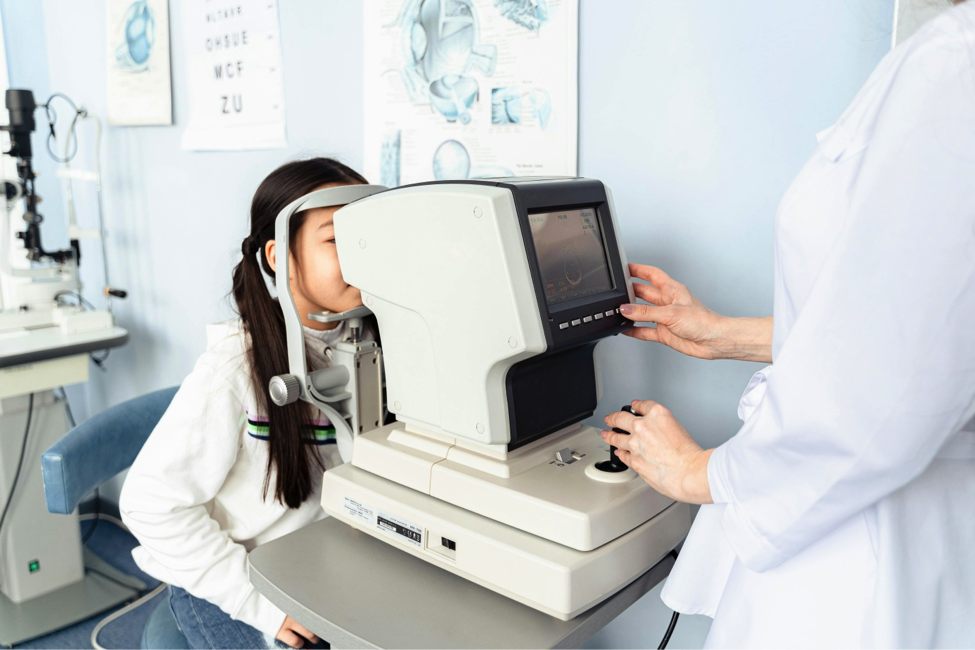
Vision plays a central role in how people work, learn, and interact with the world. From reading and driving to using digital devices and recognizing faces, healthy eyesight supports independence and quality of life at every age. Yet many people delay seeking professional eye care until symptoms become disruptive, often assuming that vision changes are a normal part of aging or screen use.
Understanding when to seek professional eye care—and the roles that clinics and specialists play—helps individuals take a proactive approach to maintaining long-term eye health. In cities like Calgary, where access to advanced medical services is widely available, informed decisions can lead to earlier detection, better outcomes, and improved visual comfort.
Why Eye Health Requires Ongoing Attention
Eyes are complex organs that can be affected by genetics, age, lifestyle, and underlying health conditions. Many eye conditions develop gradually and may not cause noticeable symptoms in their early stages. Regular eye evaluations help identify potential issues before they begin to interfere with daily life.
Common factors that influence eye health include:
- Extended screen time and digital strain
- Age-related changes to vision
- Family history of eye disease
- Chronic conditions such as diabetes or high blood pressure
- Environmental factors such as UV exposure
Because symptoms often appear later in the progression of eye conditions, preventive care is an essential part of overall wellness.
Understanding the Role of an Eye Clinic
An eye clinic serves as a central point for vision assessment, monitoring, and management. Clinics typically provide comprehensive evaluations that assess visual acuity, eye pressure, eye alignment, and overall eye health.
People searching for an eye clinic in Calgary are often seeking:
- Routine eye examinations
- Assessment of visual changes
- Monitoring of eye health over time
- Guidance on next steps if a condition is identified
Eye clinics play a key role in early detection. Even when vision appears normal, underlying issues such as elevated eye pressure or subtle retinal changes may be present without obvious symptoms.
When Vision Changes Should Not Be Ignored
Some changes in vision are gradual and easy to overlook. Others may appear suddenly and require prompt attention. While not all vision changes indicate a serious condition, understanding warning signs helps individuals know when professional evaluation is appropriate.
Common signs that warrant assessment include:
- Blurred or distorted vision
- Difficulty seeing at night
- Increased sensitivity to light
- Frequent headaches associated with visual tasks
- Sudden changes in vision clarity
Ignoring these symptoms can delay diagnosis and limit treatment options.
The Importance of Seeing an Eye Specialist
While routine eye evaluations are essential, certain conditions require the expertise of a trained specialist. Eye specialists focus on diagnosing and managing complex or progressive eye conditions that go beyond standard vision correction.
Individuals may be referred to an eye specialist in Calgary when:
- Vision changes are unexplained or persistent
- Structural changes in the eye are suspected
- Surgical evaluation may be required
- Advanced imaging or diagnostic testing is needed
Specialists are trained to assess eye health in greater depth, allowing for accurate diagnosis and tailored management plans.
How Age Influences Eye Care Needs
Vision changes naturally over time, but aging does not affect everyone in the same way. Some age-related changes are expected, while others signal the onset of treatable conditions.
As people age, they may experience:
- Difficulty focusing on close objects
- Reduced contrast sensitivity
- Increased glare sensitivity
- Higher risk of developing eye diseases
Regular eye evaluations become increasingly important with age, helping distinguish between normal changes and conditions that benefit from early intervention.
The Role of Early Detection in Vision Outcomes
Early detection is one of the most important factors in preserving vision. Many eye conditions progress slowly and can be managed effectively when identified early. Without regular assessments, these conditions may go unnoticed until vision loss has occurred.
Benefits of early detection include:
- More treatment options
- Slower disease progression
- Better preservation of vision
- Reduced impact on daily activities
Eye care professionals emphasize prevention and monitoring because vision loss is often irreversible once it has advanced.
Eye Care and Overall Health Connections
Eye health is closely connected to overall health. Conditions such as diabetes, hypertension, and autoimmune disorders can have direct effects on vision. In some cases, eye changes may be among the first signs of systemic health issues.
Comprehensive eye evaluations can reveal:
- Blood vessel changes related to systemic disease
- Inflammation linked to autoimmune conditions
- Early nerve damage
This connection makes eye care an important part of holistic health management.
Why Regular Assessments Matter Even Without Symptoms
Many people assume that eye care is only necessary when vision problems arise. In reality, regular assessments are valuable even when eyesight feels stable.
Routine evaluations help:
- Establish baseline measurements
- Track subtle changes over time
- Detect conditions before symptoms appear
This proactive approach supports long-term eye health and reduces the risk of sudden vision changes later in life.
Choosing the Right Level of Eye Care
Understanding the difference between general eye evaluations and specialist care allows individuals to navigate the eye care system more effectively. While routine exams address many needs, specialist involvement ensures that complex conditions receive appropriate attention.
An effective eye care journey often includes:
- Regular monitoring through clinic visits
- Timely referral to a specialist when needed
- Ongoing follow-up and education
This coordinated approach supports better outcomes and clearer communication.
Patient Education and Informed Decision-Making
Education empowers individuals to take an active role in their eye health. Understanding potential risks, available evaluations, and the importance of follow-up care leads to better engagement and adherence to recommendations.
Well-informed patients are more likely to:
- Attend regular evaluations
- Report changes promptly
- Follow management plans
- Ask meaningful questions
Education is a cornerstone of effective eye care.
The Value of Preventive Eye Care in Urban Settings
In urban centres like Calgary, access to advanced diagnostic tools and trained professionals supports a higher standard of preventive eye care. Taking advantage of these resources allows residents to address eye health proactively rather than reactively.
Preventive care reduces long-term health burdens and supports independence as people age.
Final Thoughts
Vision health is an essential component of overall well-being. Understanding when to seek professional care, the role of clinics, and the importance of specialist involvement allows individuals to protect their eyesight more effectively.
By prioritizing regular evaluations, recognizing early warning signs, and seeking appropriate expertise when needed, people can take meaningful steps toward preserving vision for years to come. Eye care is not just about correcting sight—it is about maintaining quality of life through informed, proactive health decisions.
Other Articles You May Find of Interest...
- Still wearing contacts every day? When it may be worth asking about LASIK
- What a LASIK consultation can tell you about your eyes
- Can You Use Biotrue Contact Solution as Eye Drops?
- Can You Put a Pimple Patch on a Stye?
- Reading Glasses 101: Signs You Need Them and How to Choose the Right Pair
- Contact Lenses vs. Glasses: What Your Cornea Health Should Decide
- 7 Signs Your Child Needs a Pediatric Eye Doctor Right Away




