






Your Health Magazine
4201 Northview Drive
Suite #102
Bowie, MD 20716
301-805-6805
More Sleep Articles
Slower Travel Supports Better Sleep
Sleep disruption is one of the most common but least discussed travel problems. Airports, early departures, irregular meal timing, jet lag, and overstimulation all interfere with normal sleep rhythms during many holidays. Poor sleep then affects mood, energy levels, digestion, concentration, and physical recovery throughout the trip.
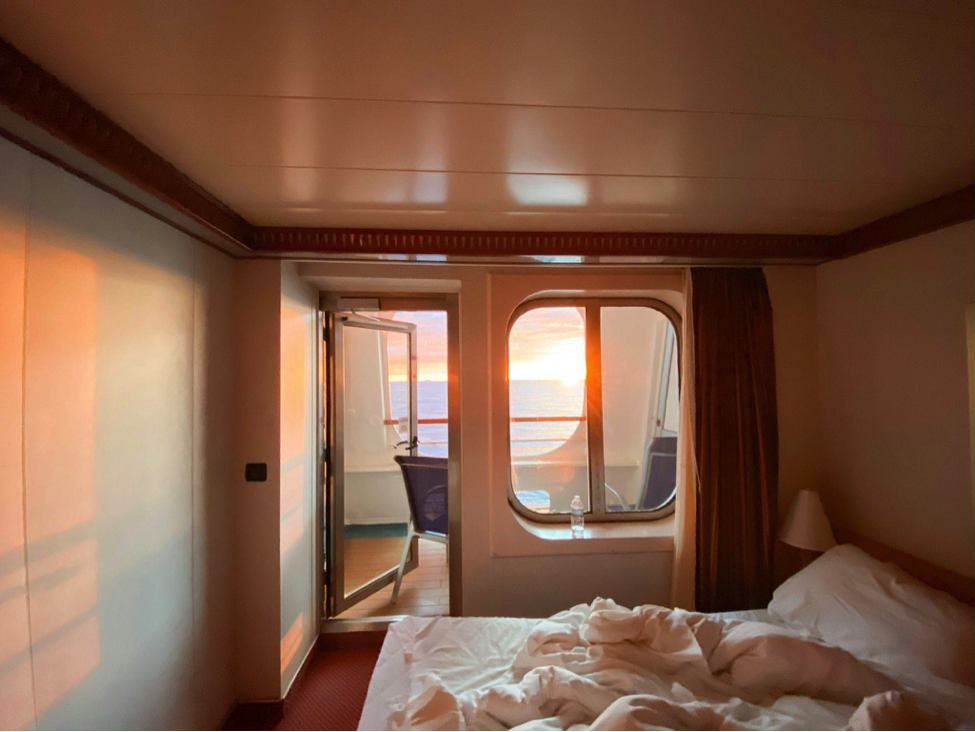
Photo by Kaitlin Thomas on Unsplash
Slow travel tends to reduce many of these disruptions because travellers remain in one environment for longer periods instead of constantly changing locations. Longer stays help the body establish temporary routines closer to ordinary daily life, especially around meal timing, walking habits, and sleeping schedules.
Today, slower travel divides into two distinct categories: ocean cruising and river cruising. Although both involve travelling by ship, the experiences differ substantially in pacing, atmosphere, stimulation levels, and the type of recovery travellers are looking for.
Ocean Travel Is Becoming More Wellness Focused
Ocean cruising has changed significantly from the older image many people still associate with loud entertainment-heavy ships and packed tourist schedules.
Modern cruise routes across the Mediterranean, Norwegian fjords, Alaska, the Adriatic, and parts of the South Pacific market themselves around recovery, wellness facilities, sleep comfort, spa access, fitness centres, and quieter onboard experiences. Cruise lines now frequently include thermal suites, walking decks, adult-only lounges, healthier dining options, yoga sessions, and relaxation-focused cabins designed to reduce travel stress during longer voyages.
This is especially visible on premium ocean routes where travellers prioritise scenery, slower sea days, and physical comfort over nightlife and nonstop activity.
Ocean travel also removes some of the logistical exhaustion associated with traditional tourism. Travellers unpack once, avoid repeated hotel changes, and reduce the number of airport transfers throughout the trip. For many older travellers or people trying to avoid physically draining holidays, this consistency matters.
What Ocean Cruises Still Do Well
Ocean cruising remains particularly effective for travellers who want stable accommodation combined with large-scale amenities.
Longer sea days can help some travellers establish more regular sleeping routines because schedules become predictable. Modern cabins also tend to include stronger soundproofing, blackout systems, climate control, and recovery-focused bedding compared to older cruise generations.
Certain routes naturally support slower pacing better than others. Norwegian fjord itineraries, Alaskan coastal cruises, and smaller Mediterranean luxury voyages are often associated with quieter environments, scenic observation, and more outdoor relaxation opportunities.
Fitness and wellness infrastructure has also improved considerably. Many ships now include walking tracks, resistance training gyms, stretching studios, hydrotherapy pools, and recovery-oriented spa environments instead of relying purely on entertainment programming.
What Ocean Cruises Still Struggle With
Despite these improvements, ocean cruises can still create overstimulation depending on ship size and itinerary design.
Mega-ships carrying thousands of passengers often involve crowded dining halls, tightly scheduled port excursions, large entertainment venues, and constant background activity. Some travellers also struggle with sea motion during rougher ocean crossings, which can interfere with sleep quality and digestion.
Another issue is port compression. Certain ocean itineraries move rapidly between destinations, creating very short visits that can leave travellers rushing through cities rather than experiencing them gradually.
For travellers specifically looking for calm pacing, reduced stimulation, and easier physical movement, river cruising appeals more strongly.
River Travel Usually Means – Europe
River cruising is associated with wellness-oriented travel because of its naturally slower pace and calmer physical environment.
Unlike large ocean vessels, river ships usually carry far fewer passengers and move gradually through inland regions rather than across open seas. Travellers often wake up already inside city centres instead of arriving through major ports or busy transfer systems.
Europe has become the strongest global region for this style of travel because its river systems connect historic cities, smaller towns, vineyards, walking routes, and quieter landscapes without requiring constant flights or long road transfers.
The Rhine, Danube, Seine, Douro, and Main rivers now form major parts of Europe’s growing slow-travel infrastructure.
River cruising also tends to involve shorter walking distances, calmer boarding procedures, less motion discomfort, and more predictable schedules than ocean travel. This appeals particularly to travellers prioritising recovery, sleep quality, slower movement, and lower physical stress during holidays.
Arnhem
Arnhem represents the kind of quieter European river environment associated with slower travel routines.
Located along the Lower Rhine in the Netherlands, Arnhem combines riverside scenery with green public spaces, cycling culture, and relatively calm urban pacing compared to larger European capitals. Travellers often spend extended periods walking near the waterfront, visiting nearby parks, or moving slowly through cafés and pedestrian-friendly streets without heavy scheduling pressure.
The river views themselves contribute significantly to the atmosphere. Instead of fast-moving tourist crowds, many travellers experience long uninterrupted stretches of water, tree-lined embankments, and slower visual movement throughout the day.
This calmer rhythm often supports more regular sleeping patterns and reduced mental overstimulation compared to highly compressed city itineraries.
Strasbourg
Strasbourg has also become strongly associated with slower European travel because of its canal systems, riverside architecture, and manageable city scale.
Positioned near the Rhine on the French-German border, the city blends historic districts with quieter walking routes and slower public spaces that encourage gradual exploration rather than rushed sightseeing.
River views throughout Strasbourg are deeply integrated into daily movement. Travellers frequently spend long periods walking beside canals, sitting outdoors near the water, or moving slowly between neighbourhoods without relying heavily on transport systems.
This lower-intensity movement pattern naturally fits travellers looking for reduced stress and more stable routines while abroad.
Vienna
Vienna offers a different version of slow river travel, combining larger city infrastructure with calmer riverside environments connected to the Danube.
Although Vienna is a major European capital, its riverfront spaces, green walking areas, and organised urban layout often create a less chaotic atmosphere than many other high-tourism cities.
River cruise travellers frequently use Vienna as part of longer Danube itineraries because it allows for slower cultural exploration without constant transfers between accommodation and attractions.
Even within a large city environment, the river contributes to a more gradual pace. Many visitors spend evenings walking beside the Danube Canal, sitting outdoors, or exploring neighbourhood cafés without tightly structured schedules.
Reduced Digital Overload Plays A Major Role
Another major reason slow travel feels mentally different is the reduction in constant digital stimulation.
Traditional tourism often revolves around documenting every activity through phones, maps, notifications, booking apps, and social media updates. Slow travel environments generally encourage more direct engagement with surroundings instead.
When schedules become less rigid, travellers often spend more time observing landscapes, eating slowly, walking outdoors, watching river movement, or engaging with local routines rather than constantly checking devices and itineraries.
This is one reason slower river-based European travel overlaps with digital detox conversations. The environment itself encourages lower stimulation levels compared to heavily scheduled tourism focused on rapid movement and constant activity.
Other Articles You May Find of Interest...
- Slower Travel Supports Better Sleep
- How Long Do You Need To Wear Mouth Tape?
- Creating a Restful Night Routine with Herbal Tea for Sleep
- Does Celexa Make You Sleepy or Tired? Understanding the Effects of Citalopram on Sleepiness
- Cervical Pillow for Snoring: Myth or Fact? Guide
- Can Macrobid Cause Fatigue or Tiredness?
- Does Xyzal Cause Drowsiness and Sleepiness? Find Out Here




