More Women's Health & Beauty Articles
Are You Aware of the Side Effects of Mirena IUD Birth Control?
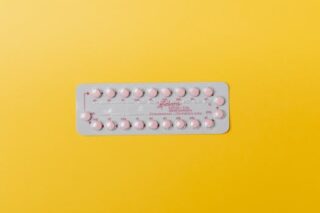
It’s common to want reliable contraception and choose options like the Mirena IUD. But understanding the side effects of Mirena IUD birth control is crucial before making a decision. The Mirena IUD is a small, T-shaped device used for long-term birth control and can be effective for up to five years. While many find it convenient, being informed about potential side effects can help you weigh the pros and cons for your health and lifestyle.
Potential Side Effects of Mirena IUD Birth Control
Every individual may respond differently to the Mirena IUD, and experiences can vary. Some users experience side effects, while others may have none.
Common side effects include changes in menstrual bleeding patterns. During the first three to six months, irregular bleeding may occur. Over time, many users report lighter periods or they may stop altogether. However, some may experience increased bleeding or spotting, particularly shortly after insertion.
Other potential side effects include headaches, nausea, breast tenderness, mood changes, and pelvic pain. Although less common, some people might experience skin rashes, weight gain, or high blood pressure.
Rarely, more serious risks such as perforation of the uterine wall or displacement can occur. This emphasizes the importance of follow-up with a healthcare provider after the insertion of the IUD.
Real-World Experiences with Mirena
For many, the convenience of not having to think about daily contraception outweighs the initial discomfort some may feel after getting the Mirena IUD inserted. Everyday activities such as exercise, sexual activity, and swimming can usually be continued without any concerns.
Some users share that initial side effects diminish over time, with the first few months being the most difficult part of the adjustment. It’s important to keep an open line of communication with your healthcare provider, who can offer insights or adjustments if certain side effects are bothersome or persist.
When to Seek Care
If you experience severe pain, heavy bleeding, or signs of infection like fever, it’s vital to contact your healthcare provider. An obstetrician-gynecologist (OB-GYN) is typically the specialist involved in managing IUD-related concerns.
Occasionally, unexplained symptoms may arise that warrant evaluation. If side effects of Mirena IUD birth control persist beyond a reasonable period, don’t hesitate to seek advice or consider alternative birth control options.
Things to Discuss with Your Healthcare Provider
Having a conversation with your healthcare provider can help address specific questions about the Mirena IUD and its side effects. Here are some discussion points:
- The process of insertion and what to expect immediately after.
- Potential for side effects and how they might influence your lifestyle.
- Whether any pre-existing conditions could affect your suitability for Mirena.
- The procedure for safely removing or replacing the IUD.
Your healthcare provider can provide guidance tailored to your health background and help you understand if the Mirena IUD is right for you. For those being treated for issues related to metformin use in PCOS or other conditions, discussing how Mirena fits into your care plan is vital.
External Resources
For more in-depth information, you can visit Mayo Clinic’s page on Mirena. It covers details about insertion, care, and potential side effects comprehensively.
Takeaways
- Mirena IUD is a long-term contraceptive option with some potential side effects.
- Common side effects include changes in menstrual patterns and mood swings.
- Healthcare provider guidance is key to managing and minimizing side effects.
- Serious complications are rare but require immediate medical attention.
Common Questions
When should I see a doctor about side effects?
If you experience extreme pain, excessive bleeding, or other unusual symptoms, see a doctor immediately. Regular check-ups after the insertion are also advised to ensure proper placement and function.
What healthcare provider manages Mirena IUD issues?
Typically, an OB-GYN is the specialist who inserts the Mirena IUD and addresses any related issues or concerns because of their expertise in reproductive health.
What side effects should I expect for the first few months?
During the initial months, expect some changes in menstrual bleeding patterns such as spotting and cramps. This is part of the body’s adjustment process to the IUD.
Are there any circumstances where I should remove the Mirena IUD?
If you encounter serious complications such as pelvic infection or you wish to switch contraceptive methods, consult your healthcare provider about removing the IUD safely.
Can side effects diminish over time?
Yes, many side effects like bleeding irregularities often decrease as your body adapts to the device, usually within three to six months.
Other Articles You May Find of Interest...
- Can Bifidobacterium Bacteria Help Your Vagina?
- 5 Common Reproductive Health Concerns and When to Seek Care
- Postpartum Health & C-Section Recovery
- What Breast Pain Usually Means, and Rarely Does
- Stretch Mark Treatments: A Pregnancy-First Guide for Expecting Moms
- When Should You Seek a Second Opinion for a Gynaecological Condition?
- The Brain Fog of Menopause Is Real and Does Not Necessarily Mean Early Dementia