






More Weight Control, Nutrition & Exercise Articles
The Role of Calcitriol in Bone Health and Its Mechanism of Action
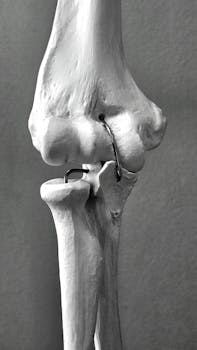
Imagine you’ve been feeling tired and experiencing unexplained muscle weakness. During a visit to your healthcare provider, they mention calcitriol and its role in supporting your bone health. But what exactly is calcitriol, and why is it important for your bones? Understanding how calcitriol works can provide insights into its vital function in maintaining skeletal strength.
How Calcitriol Works
Calcitriol, the active form of vitamin D, plays a crucial role in regulating calcium and phosphate levels in our body. It aids in the absorption of calcium from the digestive tract into the bloodstream, which is essential for building and maintaining strong bones. Without sufficient calcitriol, our bones can become thin and brittle, increasing the risk of fractures.
In addition to bone health, calcitriol affects muscle function and the immune system, highlighting its multifaceted significance in our overall health. For more on how lifestyle choices impact health, visit our detailed article on lifestyle and health.
Practical Considerations for Calcitriol Use
Managing calcitriol levels is vital, particularly for individuals with conditions like chronic kidney disease that affect vitamin D metabolism. Patients may wonder about the implications of starting or adjusting calcitriol supplements. Before introducing or modifying calcitriol intake, it’s essential to discuss with your healthcare provider whether changes in diet, supplements, or prescription medications are necessary.
Individuals should monitor their calcium levels, as excessive calcium can lead to complications such as kidney stones. Keeping an open dialogue with your healthcare team helps ensure that you’re meeting your bone health needs safely.
When to Seek Care
If you experience persistent symptoms such as muscle weakness, fatigue, or bone pain, it might be time to consult a healthcare professional. These could be indicators of calcitriol imbalance or a deficiency in vitamin D. Endocrinologists or nephrologists are specialists who can provide insights into your condition, particularly if you have underlying health issues that affect vitamin D metabolism.
Your doctor may recommend blood tests to evaluate your vitamin D, calcium, and phosphate levels in order to tailor a treatment plan that optimizes your bone health.
Daily Life and Calcitriol
Maintaining optimal calcitriol levels is not only crucial for your bone health but also impacts your day-to-day activities. For instance, adequate vitamin D can enhance muscle strength, contributing to better balance and reduced fall risk, especially in older adults. Proper levels can also support immune function, keeping you more resilient against infections and promoting overall well-being.
Potential Side Effects and Adjustments
As with any medication or supplement, calcitriol can have side effects, although most people tolerate it well. Elevated calcium levels, or hypercalcemia, pose the most significant risk when supplementing with calcitriol. Symptoms of this condition include nausea, vomiting, frequent thirst, and fatigue. If you experience these symptoms, contact your healthcare provider promptly.
Your doctor will typically start you on a low dose of calcitriol and adjust as needed based on your individual response and blood test results. It’s crucial to follow dosing instructions carefully to prevent adverse effects and achieve the intended health benefits.
Common Questions
When to see a doctor about calcitriol issues?
If you have symptoms like unexplained fatigue or changes in your bone health, consult your primary care provider. If your doctor suspects calcitriol imbalance, further evaluations may be necessary.
What type of provider treats calcitriol deficiencies?
Endocrinologists and nephrologists specialize in managing vitamin D metabolism and related hormonal issues, making them suitable healthcare providers for treating calcitriol deficiencies or excesses.
What might cause low calcitriol levels?
Chronic kidney disease, dietary deficiencies, and lack of sun exposure can lead to low calcitriol levels. Identifying and addressing these factors is crucial for maintaining bone health.
How is calcitriol different from vitamin D supplements?
While vitamin D supplements contain precursors that the body converts to calcitriol, calcitriol in its active form is sometimes prescribed for patients who cannot naturally convert these precursors due to health conditions.
Can lifestyle affect calcitriol levels?
Yes, maintaining a healthy lifestyle that includes exposure to sunlight, a balanced diet rich in vitamin D, and regular physical activity can help support adequate levels of calcitriol in the body.
- Calcitriol is the active form of vitamin D, vital for calcium absorption and bone health.
- It supports muscle function and the immune system.
- Consult healthcare providers if you experience symptoms of deficiency or excess.
- Blood tests can help tailor treatment plans for optimal health.
- Managing lifestyle choices can positively influence calcitriol levels in the body.
Understanding how calcitriol works empowers you to take proactive steps in managing your health. It’s essential for bone health, and its influence extends into other crucial functions in the body. For more information, consider visiting reputable resources like MedlinePlus to deepen your knowledge. By staying informed and consulting with healthcare professionals, you can make confident decisions about your calcitriol intake and overall well-being.
Other Articles You May Find of Interest...
- The Role of Calcitriol in Bone Health and Its Mechanism of Action
- Finding SSRIs That Won’t Cause Weight Gain for Effective Mental Health Management
- Can the Butrans Patch Aid in Weight Loss?
- How Quickly Does Senna Relieve Constipation?
- Does Doxepin Lead to Weight Gain? Uncovering the Connection
- How This Generation Is Redefining What Healthy Living Looks Like
- Nord Pilates: Can a Pilates App Actually Help You Lose Weight at Home?




