More Women's Health & Beauty Articles
Exploring the Benefits and Risks of the Heather Contraceptive
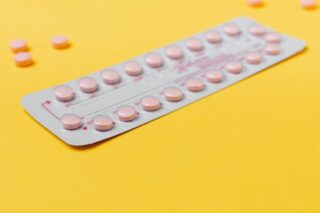
Debating whether the Heather contraceptive is the right choice can be perplexing for many women. As one of the progestin-only pills, or “mini-pills,” Heather offers an option for those who may experience estrogen-related side effects or seek an alternative to combination birth control pills. Understanding its benefits and potential drawbacks is essential before making a decision.
What to Expect When Using Heather Contraceptive
The Heather contraceptive is designed similarly to other mini-pills, requiring strict daily adherence to be effective. Missing a dose by even a few hours can reduce its effectiveness, which calls for a disciplined routine. Unlike combination pills, Heather contains only progestin, without estrogen, which makes it a suitable option for women who are breastfeeding or those who are sensitive to estrogen.
Because Heather primarily works by thickening cervical mucus to prevent sperm from reaching an egg, its mode of prevention is different from pills that also inhibit ovulation. This nuanced mechanism might mean irregular bleeding and spotting for some users, a common experience shared by women on progestin-only pills.
Balancing Benefits and Risks
While Heather may offer fewer hormone-related side effects compared to combination pills, it’s not without its challenges. Irregular periods, mood changes, and weight fluctuations are reported concerns among users. For individuals with particular health conditions, Heather can be a preferable option over other hormonal contraceptives.
Additionally, Heather does not protect against sexually transmitted infections (STIs), so using condoms can still be necessary for comprehensive protection. The effectiveness in preventing pregnancy relies heavily on consistent usage, highlighting the importance of commitment to daily intake.
Adjusting to Heather and Identifying Changes
First-time users of Heather might wonder if and when they can expect side effects to subside. It’s normal for your body to undergo an adjustment period, during which you may experience irregular bleeding or other hormonal changes. Over weeks to months, these often stabilize, but if severe symptoms persist, consulting a healthcare provider is advised.
Taking the pill at the same time each day is critical. If you miss a dose, the potential for reduced contraceptive effectiveness increases, so having a backup method such as condoms may be prudent. Some users also inquire whether they need to stop Heather before starting another contraceptive. Typically, guidance from a healthcare provider helps navigate these transitions smoothly.
When to Seek Care
If you experience heavy bleeding, severe abdominal pain, or signs of an allergic reaction, medical evaluation is necessary. Women with underlying health conditions, such as blood clots or severe migraines, should review their use of Heather with their healthcare provider before starting the regimen.
Your healthcare provider, particularly an OB-GYN, can assist in determining whether Heather aligns with your reproductive health goals. Additionally, if you’re considering switching from Heather to another contraceptive method, professional guidance ensures a seamless transition.
Impact on Everyday Life
While Heather can offer convenience, it necessitates a disciplined daily routine. For busy individuals who might find consistent pill-taking challenging, setting alarms or integrating the dose into a daily ritual can help maintain regularity. Understanding that it does not safeguard against STIs prompts consideration for additional protection like condoms.
The Heather contraceptive offers the freedom to manage fertility without estrogen-related effects, a significant benefit for those sensitive to it. Whether Heather aligns with your lifestyle and health needs, consulting with healthcare professionals remains vital.
For those managing associated conditions like PCOS, insights on treatment can be beneficial. Read more about metformin’s use in PCOS.
Common Questions
Can I use Heather if I have a history of blood clots?
Progestin-only pills like Heather may be an appropriate option for women with a history of blood clots. However, it’s crucial to discuss your medical history with your healthcare provider to ensure it’s safe for you.
Does Heather cause weight gain?
While some women report weight changes with progestin-only pills, these effects can vary greatly by individual. If weight gain is a concern, monitoring changes over time and consulting with your provider can be beneficial.
What should I do if I miss a dose?
If you miss a dose of Heather, it’s important to take it as soon as possible and use a backup contraceptive like a condom for the next 48 hours. Consistency is key with mini-pills to maintain their effectiveness.
When will I know if Heather is right for me?
After starting Heather, give your body a couple of months to adjust. If you find the side effects manageable and can adhere to a daily schedule, it could be a suitable option. Continuous symptoms might require a healthcare consultation.
Are there alternatives if Heather does not work for me?
Yes, if Heather does not meet your needs, numerous other options ranging from copper IUDs to hormonal implants are available. Discussing your goals with a healthcare provider can guide you to the right choice.
Takeaways
- Heather is a progestin-only contraceptive option, suitable for estrogen-sensitive individuals.
- Strict daily intake is essential for maintaining its effectiveness.
- Consult a healthcare provider for noticeable side effects or health condition concerns.
- No protection against STIs means additional protection may be required.
- Regular medical guidance can aid in making informed contraceptive choices.
For more detailed information on general health and managing related conditions, visit this resource.
Other Articles You May Find of Interest...
- Can Bifidobacterium Bacteria Help Your Vagina?
- 5 Common Reproductive Health Concerns and When to Seek Care
- Postpartum Health & C-Section Recovery
- What Breast Pain Usually Means, and Rarely Does
- Stretch Mark Treatments: A Pregnancy-First Guide for Expecting Moms
- When Should You Seek a Second Opinion for a Gynaecological Condition?
- The Brain Fog of Menopause Is Real and Does Not Necessarily Mean Early Dementia