Your Health Magazine
4201 Northview Drive
Suite #102
Bowie, MD 20716
301-805-6805
More Health Technology Articles
How Telehealth Is Simplifying Doctor Appointments and Medical Certificates
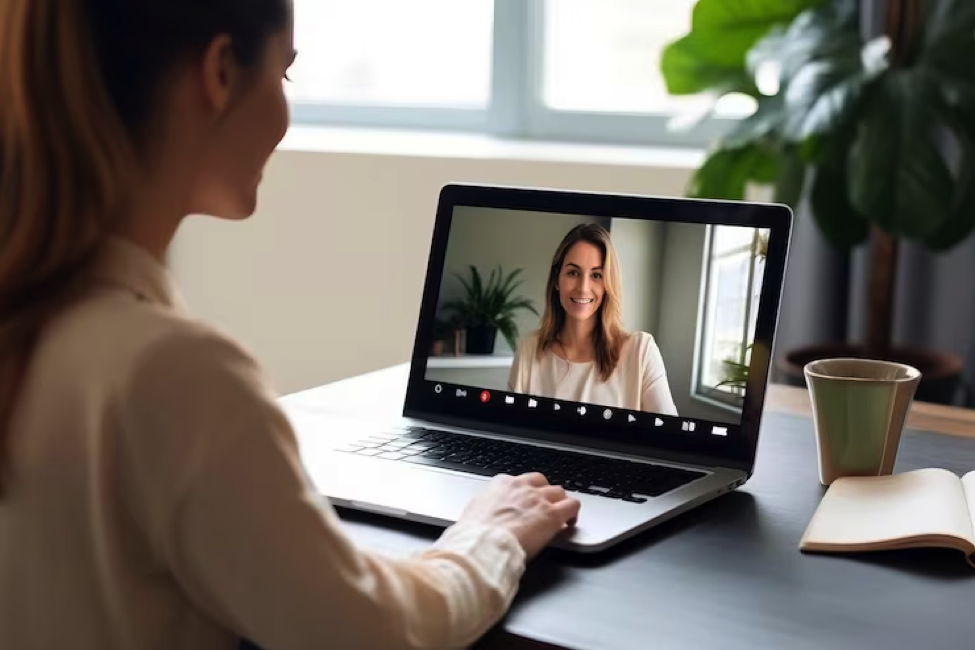
Introduction: A New Era of Healthcare Access
Healthcare has experienced one of its greatest revolutions in decades. What used to require travel, waiting rooms, and extensive scheduling delays can now be done in minutes on a phone, tablet, or laptop.
Telehealth is no longer an option; it is a mainstream healthcare method.
Digital healthcare is changing how patients connect with healthcare providers, from periodic check-ups and online doctors appointment to paperwork demands. The trend is driven by convenience, access, and increased expectations that health care should be as frictionless as other digital services.
And the secret to this shift is the capacity to get treatment without physical constraints, especially for those people living in rural regions, busy professionals, and persons living with chronic conditions.
What Is Telehealth in Today’s Context?
Telehealth refers to the delivery of health care services via digital communication tools, including video calls, secure messaging, and online health platforms.
In addition to traditional in-person consultation, telemedicine lets patients:
- Remote consultation with licensed physicians
- Get diagnosed for common illnesses
- Access to medications where appropriate
- Get medical records
Handle follow-up care via online
It is also worth noting that telehealth is not just for crises or small problems; it is becoming a part of everyday practice and preventative health.
Why Telehealth Is Growing
Several causes are driving the global deployment of telehealth systems:
1. Saves Time
No need for patients to go to clinics and wait in queues. You can make appointments during work breaks or at home.
2. Accessibility
Now, people in rural or backward areas can see doctors without any geographical limit.
3. Expectations of a Digital Nature
Today’s customers desire services such as banking, education, and shopping to be digital. Healthcare is doing the same.
4. Reduced strain on the Healthcare system
Telehealth serves to ease the crowding in physical clinics, so that face-to-face care can be reserved for the tougher cases.
How Telehealth Is Changing the Traditional Appointment Model
Traditionally, seeing a general practitioner meant:
- Making an online doctor’s appointment weeks ahead
- Going to a clinic
- Stand in line
- Little time with the doctor
Telehealth substitutes this with a workflow that is focused:
- Book online or on the app
- Consult a doctor online
- Symptoms or concerns
- Get prescriptions or paperwork
This model greatly decreases the friction in accessing health care.
The Role of Telehealth in Everyday Medical Needs
Telehealth is particularly effective for:
- Cold and flu symptoms
- Skin conditions
- Mental health consultations
- Prescription renewals
- General health advice
- Administrative medical needs
It is not designed to replace emergency care but complements traditional healthcare systems effectively.
Understanding the Digital Shift in Medical Documentation
The rise of digital healthcare has also led to an increased demand for online medical certificate services, which allow patients to submit their information and obtain their medical certificate online without having to visit a physical clinic.
Telehealth is a great option for:
- The symptoms of a cold and flu.
- Skin conditions
- Mental health consultations
- Prescription renewals
- General health advice
- Administrative medical needs
It isn’t meant to be a substitute for emergency care; however, it works great alongside the standard healthcare systems.
The Convenience Factor: Why Patients Prefer Digital Care
The development that has had the most impact on telehealth is the capability to receive medical documents through digital means.
This encompasses certificates that are frequently needed for work, study, or private leave.
Patients are no longer forced to make a trip to their clinic for each minor illness needing documentation. Rather, consultations can take place over the internet, with proper verification and professional assessment.
This has made life easier for patients and healthcare providers.
In the digital healthcare landscape, online medical certificate services are increasingly gaining importance, enabling individuals to request medical certificates without leaving home.
Impact on Healthcare Accessibility
Telehealth has considerably increased healthcare access in several ways:
Telehealth has improved access to health care in many ways:
- Equitable access to GP care and the rural location
- Fewer days to see a City patient
- Improved access for disabled people
- Overall, healthcare is becoming more inclusive
The democratisation of healthcare is one of the most important results of the digital transformation.
Digital Consultations vs Physical Consultations
While both formats serve important roles, their use cases differ:
| Aspect | Telehealth | In-Person Visit |
| Convenience | High | Moderate |
| Physical examination | Limited | Full |
| Speed | Fast | Slower |
| Accessibility | Very high | Location dependent |
| Ideal for | General care, follow-ups | Complex conditions |
How Patients Typically Access Online Care
Most patients begin with a search for a GP near me, looking for quick access to local medical services.
However, telehealth platforms allow the search to extend beyond geographic borders, so patients can identify and communicate with qualified practitioners regardless of their location.
The Evolution of Booking Systems
Digital healthcare systems have made it much easier to schedule:
- Availability in “real time.”
- Instant verifications
- Automatic reminder
- Combined medical records
It reduces admin friction. It’s a greater continuity of care.
Patient Trust in Telehealth
Initially, patients were a bit hesitant about virtual consultations. However, trust has been boosted by:
- Complying with regulations
- Licensed practitioners in practice
- Secure platforms
- Good results for patients
- Better grade technology
Telehealth is now generally acknowledged as a valid, successful paradigm of care.
Where Telehealth Fits in Modern Healthcare Systems
Telehealth is not replacing; it is merging into health care.
The healthcare systems presently function under a mixed model:
- Face-to-face care for physical exams and emergencies
- Telehealth for regular and follow-up care
- Documentation and monitoring of digital systems
This hybrid method enhances overall efficiency.
Hello GP in the Telehealth Ecosystem
HelloGP has developed as part of the digital health ecosystem, and is able to provide GP services to patients through online consultation.
They also play a key role in helping to improve the overall trend towards more patient-centric, accessible healthcare services by overcoming administrative hurdles and providing patients with the ability to access healthcare from a distance without making the experience more complicated.
Looking Ahead
Telehealth continues to be a developing practice. In the next phase of development, the following will likely be seen:
- AI-assisted triage systems
- Expanded remote diagnostics
- Wearable health monitoring integrates with the device to provide real-time monitoring of patients’ health.
- More efficient digital verification processes
These advancements will keep changing the way healthcare is provided.
Conclusion
Telehealth has revolutionized how people access health care services that are quick, convenient and accessible. It helps to decrease the time spent on travelling, waiting in line, and delays, and enables patients to get professional medical advice when needed.
Digital healthcare has optimised several aspects of the daily work, including paperwork, documentation, and even simple health issues. The patients have been able to get an online doctors appointment with a doctor online, hassle-free without leaving home, which is very easy and convenient for them.
In the meantime, it boosts the efficiency of the system, enabling clinics to focus on face-to-face consultations for more complicated cases and remotely attend to simpler ones.
To summarize, telehealth can help enhance the patient-centric, connected, and responsive healthcare system.
Other Articles You May Find of Interest...
- How Virtual Try-On Actually Works (Explained Without the Hype)
- How Telehealth Is Simplifying Doctor Appointments and Medical Certificates
- How Medical Support Tools Enhance Daily Patient Safety
- Best Apps for Self-Improvement: An Unfiltered Look at What Actually Helps
- 7 Ways Healthcare Technology Enhances Patient Experience
- The 5 Best HIPAA-Compliant Team Chat Apps For Medical Teams
- Unlocking the Benefits of the M365 Tablet and M3 65 Pill for Enhanced Health