More Mental Health Articles
Stress Management Techniques for People Recovering From Serious Accidents
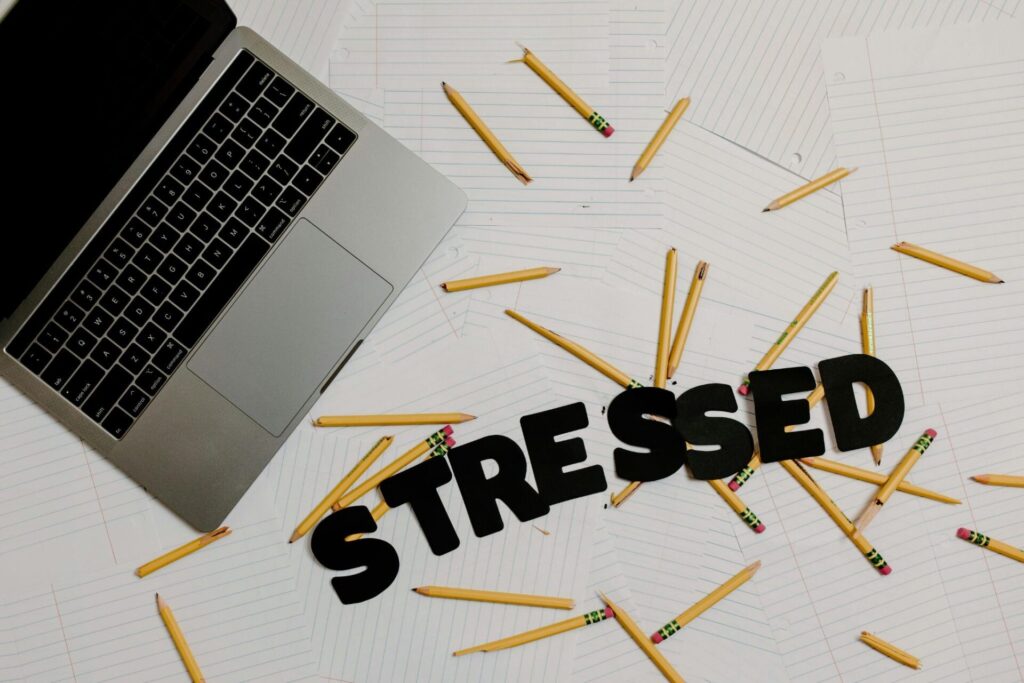
Recovering from a serious accident is brutal.
Physical injuries are just part of the battle. What about the invisible wounds? Traumatic stress from the flashbacks, mounting bills, physical injuries and lengthy legal process can become overwhelming.
Here’s the good news:
You don’t have to hang on for dear life. There are easy, effective stress management skills you can learn.
Let’s jump in.
What you’ll discover:
- Why Accident Recovery Is So Stressful
- Top 6 Stress Management Techniques That Actually Work
- How To Reduce Financial Stress During Recovery
- When To Get Professional Help
Why Accident Recovery Is So Stressful
Accident recovery hits you from every angle.
Most people assume that the physical pain is the worst part. However, studies indicate the psychological impact can be just as bad if not worse. One meta-analysis found that PTSD prevalence was 29.4% one month following a road traffic accident.
It’s not just PTSD. Accident victims often deal with:
- Anxiety: Worrying about driving, walking near roads, or being in cars again
- Depression: Feeling stuck, hopeless, or disconnected from daily life
- Sleep problems: Replaying the accident every time you close your eyes
- Financial stress: Watching medical bills pile up while you can’t work
That last one is huge. Bills don’t stop coming just because you’re injured and waiting months (or years) for a settlement to cover them isn’t ideal.
If that’s you, a Florida lawsuit loans provider (sometimes referred to as a lawsuit advance) can provide you with money today based on your pending settlement. This isn’t a loan in the traditional sense. It’s an advance against the lawsuit settlement you’re already owed. Having that kind of relief can really ease your burden while you concentrate on recovery.
But money is only part of the puzzle.
Top 6 Stress Management Techniques That Actually Work
These are the exercises that have proven most useful for accident survivors. Choose one or two that resonate with you.
Deep Breathing Exercises
Breathing exercises are the simplest stress management tool out there.
When you experience stress your nervous system becomes aroused (“fight or flight”). Your heart pounds and your muscles tighten. Slow, deep breathing signals your body that the threat is past.
A quick technique to try:
- Breathe in through your nose for 4 seconds
- Hold your breath for 7 seconds
- Breathe out through your mouth for 8 seconds
- Repeat 4 times
This is known as the 4-7-8 technique. It is very effective. You can practice it in bed, at the doctors, or stuck in traffic.
Gentle Movement and Physical Therapy
Movement is medicine.
Assuming your physician has given you the go-ahead for activity, even a small amount of gentle exercise can lift your spirits. This doesn’t mean pumping iron in the gym. It means:
- Short walks around the block
- Light stretching
- Pool exercises
- Physical therapy sessions
Movement produces endorphins, your body’s natural stress relievers. Exercise also allows you to reconnect with your body in a healthy way.
Don’t forget to listen to your body. Overdoing it too early can delay your recovery.
Mindfulness and Meditation
Mindfulness might sound a bit “out there”… But it works.
You spend a few minutes each day being present, rather than dwelling on the accident. Headspace and Calm make it simple to begin.
Just 10 minutes a day can:
- Lower your blood pressure
- Reduce anxiety levels
- Improve your sleep
- Help you process traumatic memories
Talk Therapy
Don’t underestimate the power of talking it out.
Post traumatic stress disorder (PTSD) can develop after you experience a car accident. Research has found that up to 49% of individuals involved in auto accidents suffer from PTSD. You aren’t alone.
You can work through your accident’s mental aftermath with the help of a trauma-trained therapist. Licensed to practice therapy. Here are the best types of therapy for people who have been in accidents:
- Cognitive Behavioural Therapy (CBT): Helps you change negative thought patterns
- EMDR: Uses eye movements to help process traumatic memories
- Group therapy: Connects you with others going through similar experiences
If money is tight, look into community mental health centres or sliding-scale therapists.
Sleep Hygiene
Bad sleep makes everything worse.
Poor sleep causes you to become highly stressed and your recovery slows.
Here are some quick wins:
- Go to bed and wake up at the same time every day
- Keep your bedroom cool, dark, and quiet
- Avoid screens for an hour before bed
- Skip caffeine after 2pm
If nightmares or flashbacks are keeping you up, talk to your doctor or therapist.
Lean On Your Support System
You’re not meant to handle this alone.
Ask friends and family for help. They can bring you meals, run errands, or just keep you company. Most people want to help; they just don’t know what to do unless you tell them. If you don’t have many local friends or family, try online support groups or nearby recovery communities.
Connection is one of the most underrated stress management tools out there.
How To Reduce Financial Stress During Recovery
Money worries can derail your recovery faster than almost anything else.
You’re trying to concentrate on getting better, but you have medical bills accumulating and may not be able to work. Stress like that can compound the problem.
Here’s what helps:
- Track all your accident-related expenses: Keep every receipt for your lawyer
- Know your insurance coverage: Florida’s PIP covers 80% of medical expenses
- Talk to billing departments: Many hospitals offer hardship programs
- Consider a lawsuit advance: This gives you cash now without monthly payments
The trick is to take action early so the financial stress doesn’t snowball.
When To Get Professional Help
Some stress is normal. Some stress isn’t.
Reach out to a mental health professional if you’re experiencing:
- Constant flashbacks or nightmares
- Panic attacks
- Thoughts of harming yourself
- Inability to function at work or home
- Heavy reliance on alcohol or drugs to cope
These are indications that you may need more than self-help strategies. There’s nothing wrong with seeking professional help.
Final Thoughts
Healing from a major trauma doesn’t happen overnight. There isn’t a magic button that erases it.
However using these stress busting techniques together will help you regain some control. So let’s recap quickly:
- Use breathing exercises for instant calm
- Move your body (gently!) to boost your mood
- Try mindfulness to manage anxious thoughts
- Talk to a therapist if PTSD symptoms appear
- Build a solid sleep routine
- Lean on your support network
- Tackle financial stress head-on
Number one: Be patient with yourself. Recovery is not linear. You will have good days. You will have bad days. That’s normal
Other Articles You May Find of Interest...
- Why Your Mental Wellness Routine Should Integrate Exercise
- How to Protect Your Mental Health After Losing a Pet
- The Hidden Link Between Blood Sugar and Anxiety: What Continuous Glucose Monitors Reveal
- Why a Gradual, Clinician-Guided Approach to Methylfolate May Matter
- Breaking the Stigma Around Mental Health and Seeking Professional Support
- Complex PTSD vs. PTSD: The Differences That Can Change Your Treatment
- When Talk Therapy Isn’t Enough: Understanding More Intensive Treatment for OCD