






More Hair Care Articles
How to Build a Hair Wellness Routine That Actually Works
Healthy hair is often seen as a cosmetic goal, but it is deeply connected to overall wellness. Many people invest in expensive shampoos, oils, supplements, and treatments hoping for quick results, only to feel frustrated when hair fall, thinning, or scalp issues continue. The reason is simple: most routines focus only on the visible strands of hair while ignoring the underlying factors that influence long-term hair health.
Hair wellness is not built through random product experimentation. It requires a structured approach that supports the scalp, strengthens follicles, improves nutrient intake, and reduces daily damage. Hair follicles are living structures that respond to stress, nutrition, hormonal shifts, environmental conditions, and lifestyle habits. When these systems are out of balance, hair often becomes weaker over time.
Creating a routine that actually works means shifting your mindset from quick fixes to long-term consistency. A proper hair wellness routine focuses on prevention, nourishment, and maintaining a healthy environment where hair can grow naturally and sustainably.
Start with Scalp Health
A healthy scalp creates the ideal foundation for stronger hair growth. Unfortunately, many people ignore scalp health until problems become severe. Conditions such as excessive oil production, dandruff, dryness, itchiness, and product buildup can create an unhealthy environment that weakens hair follicles.
When the scalp is inflamed or clogged, follicles may struggle to produce strong and healthy strands. Over time, this can contribute to shedding, breakage, and slower growth.
Regular cleansing plays an important role in maintaining scalp health. However, overwashing can strip natural oils, while underwashing can lead to buildup that blocks follicles. Finding the right balance based on your hair type and lifestyle is essential.
People who frequently exercise, live in humid climates, or use multiple styling products may need more frequent cleansing than someone with a naturally dry scalp.
A healthy scalp should feel balanced, not overly greasy, dry, irritated, or inflamed.
Build a Consistent Cleansing and Nourishment Routine
One of the biggest mistakes people make is believing shampoo alone solves hair problems. Cleansing removes buildup, but follicles often require additional nourishment to maintain long-term health.
After cleansing, targeted scalp treatments can support hydration and improve scalp condition. Using a high-quality hair serum for nourishment may help improve scalp hydration while creating better conditions for stronger-looking hair over time.
Consistency matters more than using multiple products at once. Many people switch routines too quickly when they don’t see immediate results. Hair growth operates on longer cycles, which means meaningful improvements often take several weeks or months.
A simple routine that you can follow consistently will almost always perform better than an overly complicated one. The ideal washing frequency depends on:
- Scalp oil levels
- Physical activity
- Weather conditions
- Product usage
Nutrition Plays a Bigger Role Than Most People Realize
Hair health starts internally. Hair follicles require a steady supply of nutrients to remain active and productive. Poor nutrition can lead to brittle strands, slower growth, increased shedding, and weakened follicle function.
Protein is especially important because hair is primarily made of keratin, a structural protein. Iron helps deliver oxygen to follicles, while nutrients like zinc, biotin, vitamin D, and omega-3 fatty acids support growth and scalp health.
A balanced diet that includes whole foods can significantly improve hair wellness over time.
Some of the best foods for healthy hair include:
- Eggs
- Fish
- Nuts and seeds
- Leafy vegetables
- Lean proteins
- Fruits rich in antioxidants
Crash diets, extreme calorie restrictions, and heavily processed foods often negatively impact hair health.
Focus on Nutrition
Hair is made primarily of protein, and hair follicles require multiple nutrients to function properly.
Important nutrients include:
Protein
Supports keratin production.
Iron
Helps deliver oxygen to follicles.
Zinc
Supports tissue repair.
Biotin
Often associated with stronger hair.
Omega-3 fatty acids
Help reduce inflammation.
Vitamin D
Supports follicle cycling.
Stress and Sleep Directly Affect Hair Growth
Many people overlook the connection between stress and hair health. Chronic stress can disrupt the natural hair growth cycle and push follicles into a resting phase known as telogen effluvium, which often leads to increased shedding.
Stress also contributes to inflammation, poor sleep quality, and unhealthy lifestyle behaviors that further weaken hair health.
Sleep is equally important because the body performs repair and regeneration during rest. Poor sleep patterns may disrupt hormone regulation and reduce the body’s ability to recover effectively.
Creating better stress management habits such as exercise, meditation, outdoor walks, and consistent sleep schedules can improve both overall health and hair wellness.
Protect Your Hair from Everyday Damage
Many people unknowingly damage their hair through daily habits. Heat styling, harsh chemical treatments, rough towel drying, and tight hairstyles can weaken hair strands over time.
Environmental factors such as pollution and sun exposure can also contribute to dryness and scalp irritation.
To reduce unnecessary damage:
- Limit excessive heat styling
- Use gentle drying techniques
- Avoid overly tight hairstyles
- Protect hair from harsh environmental exposure
These small adjustments can preserve hair strength and reduce breakage.
Stay Consistent with Your Routine
One of the biggest reasons routines fail is inconsistency.
People often:
- Try products for one week
- Switch routines too quickly
- Expect instant results
Hair growth takes time.
Visible improvements may require:
- 8–12 weeks for reduced shedding
- Several months for stronger growth
Stick with evidence-based habits and avoid jumping between trends.
Choose Products That Support Long-Term Results
The beauty industry often promotes products that promise instant transformation, but sustainable hair wellness requires realistic expectations and science-backed care.
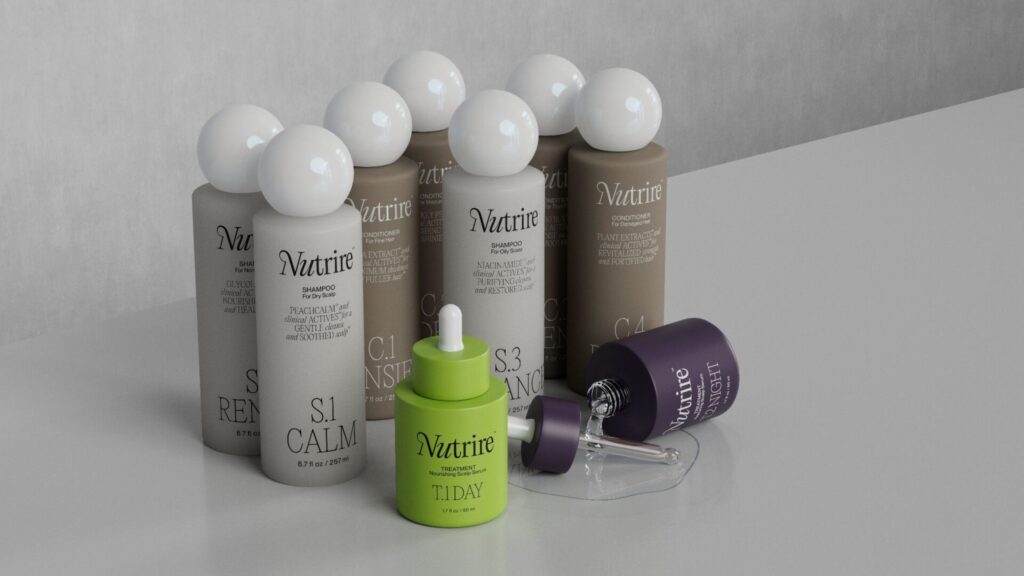
Instead of chasing trends, look for products designed to support scalp health and long-term nourishment. Brands like Nutrire focus on combining effective formulations with scalp wellness principles to help individuals build healthier routines over time.
The right products should complement your overall routine rather than replace healthy habits.
Know When to Seek Professional Help
While many hair concerns can improve with better habits and consistent care, some situations require professional attention. Sudden hair loss, severe scalp irritation, patchy bald spots, or persistent pain may indicate underlying medical conditions.
A dermatologist or healthcare professional can help identify hormonal issues, nutrient deficiencies, or medical conditions that may be contributing to hair loss.
Seeking help early often leads to better outcomes.
Conclusion
A hair wellness routine that actually works is built on consistency, patience, and a holistic approach. Healthy hair is influenced by far more than external products; it reflects nutrition, scalp health, stress management, sleep quality, and daily habits.
There is no overnight solution for stronger hair, but creating sustainable habits can produce meaningful long-term improvements. By focusing on overall wellness instead of quick fixes, you create the best possible environment for healthier hair growth.
Real results happen when your routine supports your body from the inside out.
FAQs
1. How long does it take to see results from a hair wellness routine?
Hair growth takes time because follicles operate in natural cycles. Most people may notice reduced shedding within 6 to 12 weeks, while visible hair growth often takes several months of consistent care. Results depend on factors like genetics, nutrition, scalp health, and lifestyle habits.
2. Can poor nutrition really lead to hair loss?
Yes, nutritional deficiencies can weaken hair follicles and slow down growth. A lack of protein, iron, zinc, and essential vitamins may contribute to excessive shedding and brittle hair over time.
3. Is washing hair daily bad for scalp health?
It depends on your scalp type. Some people with oily scalps may need frequent washing, while others may experience dryness from overwashing. The goal is maintaining balance.
4. Can stress cause hair fall?
Yes, chronic stress can trigger increased shedding by disrupting the natural hair growth cycle.
5. Are scalp serums worth using?
Scalp serums can help support hydration and nourishment when used consistently as part of a broader routine.
6. When should I see a doctor for hair loss?
If hair loss is sudden, severe, painful, or causing bald patches, it’s best to consult a medical professional.
Other Articles You May Find of Interest...
- How Many Inches Does Hair Grow in a Year?
- Hair Transplants Explained: What to Know Before Considering Surgery
- What Scalp Micropigmentation Can and Cannot Do for Visible Scalp and Hair Loss
- How Long Does Rosemary Oil Take to Grow Hair?
- How Alopecia Areata, Totalis, and Universalis Differ in Progression and Unpredictability
- Is a Hair Transplant Worth the Cost? What to Consider First
- Why Leg Hair Can Grow Curly, Kinked, or Suddenly Different





