






More Podiatry Foot Care Articles
What to Do About a Foot Contusion and How to Recover Quickly
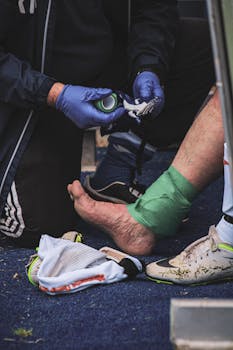
Imagine you’re playing your favorite sport, and suddenly, you stumble, landing hard on your foot. A rush of pain surges through your foot, leaving you wincing. You suspect it’s just a bruise, but it might be a foot contusion, a condition that involves damage to the underlying tissues of the foot without breaking the skin. A foot contusion can be uncomfortable and sometimes painful, affecting your daily activities like walking or even standing.
Understanding a Foot Contusion
A foot contusion occurs when small blood vessels break under the skin due to a sudden impact, causing blood to pool and result in discoloration and swelling. Common causes include sports injuries, dropping heavy objects on the foot, or even wearing ill-fitting shoes. Symptoms typically include tenderness, swelling, and bruising, which can hinder your mobility.
Self-Care Strategies for Quick Recovery
To speed up recovery, consider these practical steps:
- Rest: Limit activities that put pressure on the affected foot to allow healing.
- Ice: Apply an ice pack to the area for 15-20 minutes every couple of hours to reduce swelling and numb pain.
- Compression: Use a bandage to provide support and reduce swelling; ensure it’s snug but not too tight.
- Elevation: Keep the foot raised above heart level when sitting or lying down to decrease swelling.
Over-the-counter pain relievers can be used to manage discomfort temporarily. It’s also beneficial to wear comfortable, supportive footwear to aid recovery.
When to Seek Care
If symptoms persist despite self-care measures, consulting a healthcare provider is essential. Seek care from a podiatrist or a general practitioner if:
- You experience severe pain or swelling that doesn’t improve.
- The bruise is unusually large or dark and doesn’t fade over time.
- There is numbness or tingling in the foot.
- You cannot bear weight on the foot without significant pain.
Prompt evaluation can help rule out fractures or more severe injuries and ensure appropriate treatment.
Potential Medication Considerations
While typically non-prescription treatments and rest suffice, pain management can involve medications. Generally, NSAIDs such as ibuprofen mitigate pain and reduce inflammation. Always consult with your doctor regarding medication use, particularly if you have other medical conditions or are on different medications. Discuss potential side effects, dosing, and the need to stop any medications before starting a new one.
Impact on Daily Life and Activities
A foot contusion can hinder your usual routine, making walking, standing, or participating in sports uncomfortable or even impossible. Consider adjusting your daily activities to accommodate healing. While you rest, discover gentle exercises that don’t strain your foot, such as swimming or cycling on a stationary bike, to maintain overall fitness without exacerbating your injury.
How Lifestyle Choices Affect Recovery
Adopting healthy lifestyle habits can complement your recovery. A balanced diet rich in nutrients supports tissue repair and strengthens the body’s natural healing processes. Regular exercise, when feasible, enhances circulation, which is crucial for reducing swelling and promoting healing. Explore how lifestyle choices impact overall health and support recovery.
Common Questions
How can I prevent foot contusions in the future?
Wearing well-fitted, protective footwear and being cautious around heavy objects can reduce the risk of foot injuries. Additionally, engaging in warm-ups before intense physical activities helps prepare your foot muscles and joints.
What types of healthcare providers can treat a foot contusion?
Podiatrists specialize in foot conditions and are well-equipped to evaluate and manage foot contusions. General practitioners can also diagnose and recommend treatment for mild cases.
How long does it typically take to recover from a foot contusion?
Most foot contusions heal within a couple of weeks, yet recovery time varies depending on the severity of the injury and adherence to self-care practices. Severe cases may require more extended periods and professional intervention.
Is professional treatment always necessary for a foot contusion?
Not always. Mild cases often heal with home care, but professional evaluation is essential if symptoms worsen or don’t improve over time.
Are there specific shoes I should wear during recovery?
Supportive, cushioned shoes that offer good arch support can protect the foot and minimize discomfort. Avoid high heels or tight-fitting footwear until the bruise heals completely.
In conclusion, dealing with a foot contusion can be inconvenient, but with proper care, you can minimize pain and expedite the healing process. If you suspect a severe injury, a prompt visit to a healthcare provider is advisable to ensure a complete and swift recovery.
For further information on foot contusions, you may wish to read up on health-related topics at Wikipedia’s health section.
- Foot contusions involve bruising and internal tissue damage.
- Rest, ice, compression, and elevation can aid recovery.
- If symptoms persist, consult a healthcare provider, preferably a podiatrist.
- Mild injuries often resolve with home care in a couple of weeks.
- Use cushioned, supportive shoes during recovery.
Other Articles You May Find of Interest...
- Can Toenails Regenerate After Injury?
- What Makes a Great Arch Support Insole? A Buyer’s Guide to Insoles and Inserts That Actually Help
- Effective Strategies to Manage Sweaty Feet?
- Why Your Feet Are Exhausted After Walking, and How Barefoot Shoes Fit In
- Managing the Discomfort of Sweaty Hands and Feet
- Dealing with Sweaty Toes: Tips for Comfort and Health
- Exploring the Essential Parts of Your Foot for Better Health



