More Vascular Health Articles
Managing Weeping Edema: Effective Strategies for Relief and Recovery
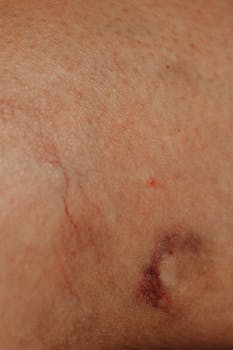
Imagine waking up one morning, only to find that your lower legs are swollen and leaking a clear fluid. This condition, known as weeping edema, can be concerning and uncomfortable, but it is not an uncommon issue. Weeping edema occurs when excess fluid accumulates in the tissues and starts to seep out through the skin. This can happen due to various reasons such as prolonged standing, certain health conditions, or injuries. Understanding how to manage this condition effectively can significantly improve your daily life and overall well-being.
Causes and Contributing Factors
Weeping edema is often a symptom of underlying issues. Common causes include chronic venous insufficiency, where the veins in the legs fail to adequately return blood to the heart, leading to fluid retention. Other potential culprits include heart failure, kidney disease, and liver problems. In some cases, it can be a result of medication side effects. Lifestyle factors like a sedentary lifestyle, obesity, and poor dietary habits also play a role, contributing to fluid buildup in the body.
Effective Strategies for Managing Weeping Edema
Managing weeping edema involves addressing the root causes and implementing lifestyle modifications. Here are some effective strategies to consider:
1. Elevation and Compression
One of the most straightforward methods to reduce swelling is to elevate the affected limbs above heart level. This helps facilitate the return of fluid back into circulation. Along with elevation, using compression stockings can also be beneficial. These specially designed garments apply pressure to the legs, helping to push fluid back into the vessels and reducing swelling.
2. Monitor Your Diet
A well-balanced diet low in salt can prevent water retention, a common contributor to edema. Consider integrating more fruits, vegetables, and lean proteins into your diet. Keeping a healthy weight through proper nutrition and and regular exercise can also alleviate symptoms and prevent recurrence.
3. Stay Active
Regular physical activity, such as walking or swimming, promotes circulation and prevents fluid from accumulating in the legs. It is essential, however, to strike a balance and avoid prolonged sitting or standing, which can exacerbate symptoms. Movement helps activate the calf muscles, often referred to as the body’s secondary pumps, aiding in the transport of blood and fluids back towards the heart.
When to Seek Care
If you experience persistent swelling, redness, pain, or warmth in the affected area, it is time to consult a healthcare provider. A primary care physician or a specialist such as a cardiologist or nephrologist can help determine the underlying cause of weeping edema. Professional evaluation is crucial to rule out more serious conditions or related complications.
Medications and Treatment Options
In some cases, medication may be prescribed to help manage excessive fluid through diuretics, which assist the kidneys in excreting excess fluid. It is important to discuss with your doctor any potential side effects and ensure the dosage is appropriate for your needs. Your doctor may also suggest other therapies depending on the underlying cause of your edema.
Always inform your healthcare provider if you are taking any other medications to avoid potential interactions. If a new medication is started, dosing adjustments based on response and continuous monitoring for symptom changes should be expected.
How Lifestyle Changes Help
Integrating these strategies into your lifestyle can significantly improve your condition and prevent future episodes. Simple changes like regular exercise, a balanced diet, and careful monitoring of fluid intake can have a substantial impact on reducing symptoms of weeping edema. Tracking your daily habits and understanding what exacerbates your symptoms is crucial for long-term management.
Takeaways
- Weeping edema is often caused by underlying health conditions; identifying the root cause is key.
- Effective management includes elevation, compression, dietary changes, and regular activity.
- Consult with a healthcare provider if symptoms are severe or persistent.
- Medications may be necessary, but lifestyle changes play a crucial role in managing symptoms.
- Monitoring symptoms and understanding personal triggers can prevent future episodes.
Common Questions
When should I see a doctor about weeping edema?
You should seek medical advice if your symptoms are persistent, accompanied by redness, pain or if you experience any difficulty breathing. These could indicate more serious underlying health issues that need professional evaluation.
Which healthcare provider can help with edema?
A primary care physician is often the first point of contact. They can perform initial evaluations and refer you to specialists such as cardiologists, nephrologists, or nutritionists, if needed.
What lifestyle changes can help prevent weeping edema?
Maintaining a healthy weight, reducing salt intake, engaging in regular physical activity, and wearing compression stockings are effective measures to prevent fluid buildup in the legs.
Are there any medications that can help reduce edema?
Diuretics, which help the body eliminate excess fluid, can be prescribed. It’s vital to use these only under medical supervision and to discuss potential side effects with your healthcare provider.
Could weeping edema signify a more serious condition?
Yes, it can indicate more severe issues like heart, kidney, or liver disease. This is why it’s important to consult with a healthcare provider for a proper diagnosis and treatment plan.
Remember, managing weeping edema involves both treating the underlying cause and making lifestyle adjustments. With the right approach, relief and recovery are well within reach. For more information, you can visit MedlinePlus to explore detailed insights on managing edema.
By taking proactive steps and seeking professional guidance when necessary, you can gain better control over weeping edema, improving both your health and quality of life.
Other Articles You May Find of Interest...
- Blood Clots in Pictures: What to Look For
- Venous Reflux: What It Is, Why It Happens, and What to Do About It
- Exploring the Anatomy and Functions of the Frontal Section of the Head
- Exploring the Fascinating Functions of Human Body Organs
- Can a 5 Day Juice Fast Lead to Effective Weight Loss?
- The Benefits of Using a Reusable Insulin Pen Injector for Diabetes Management
- Navigating the Challenges of Unknown Allergies: What You Need to Know