






More Gastroenterology Articles
The Surprising Reasons Behind Painful Bowel Movements
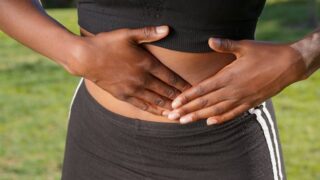
Imagine this: You’re going about your day, feeling fine, until it’s time for a bowel movement. Suddenly, you find yourself clutching the bathroom sink with discomfort, wondering, “Why does it hurt to poop?” This scenario is more common than you might think, and while it can be alarming, understanding the underlying reasons is the first step towards resolution.
Why Does It Hurt to Poop?
Experiencing pain during bowel movements can be distressing. The reasons vary from temporary issues like dietary choices to chronic conditions that might require medical intervention. Constipation is one of the most frequent culprits, often due to a low-fiber diet, insufficient hydration, or a sedentary lifestyle. Pain may also occur due to anal fissures, which are small tears in the lining of the anus caused by hard stools.
Understanding Common Causes of Painful Bowel Movements
Besides constipation and anal fissures, other health conditions might lead you to ask “why does it hurt to poop?” Irritable Bowel Syndrome (IBS) is a chronic disorder that can cause both pain and irregular bowel movements. Inflammatory Bowel Disease (IBD), including Crohn’s Disease and Ulcerative Colitis, can also inflame and ulcerate parts of the digestive tract, resulting in pain.
Another potential contributor is hemorrhoids, swollen veins in the lower rectum or anus. Straining during a bowel movement or sitting for extended periods on the toilet can worsen this condition. Anal abscesses or infections can also cause significant discomfort.
Medications and Their Impact
Painful bowel movements might also be related to the side effects of certain medications. Painkillers, particularly opioids, are notorious for causing constipation. If you’re on medication and your bowel movements hurt, consult your healthcare provider about potential side effects or alternative treatments. Never stop or adjust your medication without professional guidance, as some medications require gradual withdrawal to avoid withdrawal symptoms or other complications.
What About Over-the-counter Options?
For immediate relief, over-the-counter stool softeners may help with easing constipation-related pain. However, these should only be a short-term solution. It’s essential to address the underlying causes and not rely solely on medications for relief. Discuss with your pharmacist or doctor which options are safe and effective for you.
When to Seek Care
While some painful bowel movements can be managed with dietary changes and lifestyle adjustments, there are times when professional evaluation is essential. If your symptoms persist for more than a week, or if you notice blood in your stool, a change in bowel habits, or significant pain, consult a healthcare provider. A gastroenterologist specializes in digestive issues and can offer more specific treatments or tests if necessary.
If you’re experiencing symptoms that might correlate with hemochromatosis, such as fatigue, joint pain, or skin color changes, it’s important to address these with a specialist as well.
Takeaways
- Painful bowel movements can arise from various causes, including constipation and hemorrhoids.
- Dietary adjustments and staying hydrated can prevent common causes of discomfort.
- Some medications can contribute to constipation; consult a doctor before making any changes.
- Seek medical advice if symptoms persist or if other concerning symptoms arise.
- Professional evaluation can prevent complications and ensure proper treatment.
Common Questions
How can I prevent pain when going to the bathroom?
Eating a high-fiber diet, staying well-hydrated, and engaging in regular physical activity can help prevent constipation, a common cause of painful bowel movements. Establishing a routine bowel schedule can also support regularity.
When should I see a doctor for painful bowel movements?
If you experience persistent pain, see blood in your stools, have significant changes in your bowel habits, or any new abdominal pain, it’s important to consult with a healthcare provider. Early assessment can prevent complications and aid in identifying any underlying conditions.
What kind of doctor treats these issues?
Gastroenterologists specialize in digestive health, including issues related to bowel movements. However, starting with a primary care doctor who can evaluate your symptoms and refer you to a specialist might be more practical.
Are there lifestyle changes that can ease the pain?
Aside from diet and hydration, reducing stress through mindfulness or yoga can sometimes alleviate symptoms associated with IBS. Reducing the consumption of caffeine and alcohol is also beneficial.
Can hemorrhoids cause more than just pain?
Yes, hemorrhoids can lead to itching, swelling, and sometimes bleeding during bowel movements. Conservative treatments include increasing fiber, Sitz baths, and topical treatments. Persistent or severe cases may require medical treatments or procedures.
Proactively addressing “why does it hurt to poop” can lead to improved comfort and quality of life. For further reading, visit MedlinePlus for detailed digestive health information.
Other Articles You May Find of Interest...
- Why You Get Stomach Bloating and Gas After Eating Meat
- Why Does Chick-fil-A Make My Stomach Hurt?
- Dr. Omar Marar on the Evolution of Modern Colorectal Surgery
- Pain Where Your Appendix Was Removed Years Ago: Possible Causes
- Why Multi-Strain Probiotics May Offer Broader Digestive Support
- What a Healthy Colon Looks Like During Colonoscopy
- A Better Digestive Rhythm: Everyday Habits for Preventing Occasional Constipation
Featured Doctors and Practices





