






More Heart Disease, Stroke and Diabetes Articles
Unraveling the Mystery of a Widow Maker Heart Attack: What You Need to Know
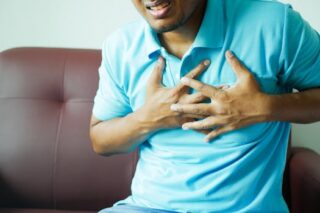
Picture this: You’re enjoying a quiet evening at home when your chest suddenly tightens and a sharp pain shoots through your left arm. The intensity of the discomfort makes you wonder if you’re experiencing a heart attack. While there are different types of heart attacks, you may have heard of a specific and dangerous one referred to as a “widow maker” heart attack. What is a widow maker heart attack and why is it considered so serious?
Understanding the Widow Maker Heart Attack
A widow maker heart attack is a term used to describe a highly dangerous type of heart attack that occurs when there’s a blockage in the left main coronary artery or proximal left anterior descending (LAD) artery. This artery is crucial because it supplies a large portion of the heart muscle with blood. A blockage can severely restrict blood flow, leading to extensive damage to the heart muscle if not treated immediately. The term “widow maker” underscores the often fatal consequences of such a blockage if swift medical intervention is not undertaken.
Why It’s So Dangerous
The reason a widow maker heart attack is so dangerous is due to the amount of heart muscle that may be affected. The LAD artery is vital for delivering blood to most of the left side of the heart. If this supply is cut off, the risk of sudden death is significantly increased. This type of heart attack demands immediate medical attention, often requiring emergency procedures like angioplasty or bypass surgery to restore blood flow.
Common Signs and Symptoms
Similar to other heart attacks, a widow maker heart attack can present with classic symptoms such as chest pain or pressure, discomfort in the upper body, shortness of breath, and sweating. However, sometimes the signs can be subtler. Symptoms like nausea, fatigue, or lightheadedness are common and can sometimes lead to a delay in seeking care. Importantly, symptoms can vary between individuals, and women may experience different symptoms compared to men.
When to Seek Care
If you experience any symptoms that might indicate a heart attack, it is imperative to seek emergency medical help immediately. Time is a critical factor in the treatment of a widow maker heart attack. Paramedics and emergency personnel can begin treating you on the way to the hospital, which is vital for survival. Cardiologists, who specialize in heart health, are typically the clinicians involved in treating heart attacks, but initial treatment often begins with emergency responders.
Impact on Daily Life
Experiencing a widow maker heart attack can have significant implications on one’s day-to-day life. The recovery process may require lifestyle modifications such as dietary changes, exercise regimens, and possibly long-term medication use. Patients often need to adhere to rehabilitation programs designed to gradually restore cardiac function and improve overall heart health. Quality of life can be maintained, but it necessitates commitment to these lifestyle changes and regular follow-ups with healthcare providers.
Prevention and Lifestyle Adjustments
Though not all heart attacks are preventable, there are steps you can take to reduce your risk. Maintaining a heart-healthy lifestyle is key. This includes eating a balanced diet low in saturated fats, engaging in regular physical activity, and avoiding tobacco products. Regular check-ups with your doctor can also help to manage risk factors such as high blood pressure, cholesterol, and diabetes. Sometimes, strategic decisions about your healthcare can make a difference. You might find this guide on making informed health decisions beneficial.
Medication Management and Questions to Ask
For those diagnosed with heart disease or at high risk for a heart attack, medications may be prescribed to manage blood pressure, cholesterol, or other contributing factors. One common question concerns the timing of medication changes. It’s crucial to follow your doctor’s guidance when stopping and starting medications to avoid adverse effects. Additionally, inquire about potential side effects and signs that a medication might need adjustment. Individual needs vary, so regular communication with your doctor is essential.
When it comes to navigating your heart health, taking command of your lifestyle and working closely with healthcare professionals can help effectively manage the risk factors and improve your overall well-being.
For more in-depth information about heart health and conditions, you can visit the trusted resource Mayo Clinic.
Takeaways
- A widow maker heart attack results from a blockage in a major coronary artery.
- It requires immediate medical attention to prevent severe heart damage.
- Symptoms vary but often include chest pain and discomfort.
- Prevention includes lifestyle changes and managing risk factors.
- Regular check-ups and medication management are essential for those at risk.
Common Questions
What steps should I take if I suspect a heart attack?
Call emergency services immediately and chew an uncoated aspirin if advised to do so by emergency personnel. Do not attempt to drive yourself to the hospital.
Who treats widow maker heart attacks?
An emergency room physician will begin initial treatment, but cardiologists are typically involved in further management and intervention.
Can widow maker heart attacks be prevented?
While not all are preventable, risk factors can often be managed with lifestyle changes, regular health screenings, and medication as prescribed.
Is recovery from a widow maker heart attack possible?
Yes, with prompt treatment and adherence to a cardiac rehabilitation program, many people can recover and lead active lives.
How does a widow maker heart attack differ from other heart attacks?
This type is particularly dangerous due to the amount of the heart muscle at risk if the blockage is not quickly resolved.
Other Articles You May Find of Interest...
- Decoding Your Hemoglobin A1C Conversion Table for Better Glucose Management
- Is Tupelo Honey Really Better For Diabetics?
- Cardiology: The Heart of Modern Medicine
- Recognizing the Symptoms of a Hole in the Heart in Adults
- What Your Cholesterol Numbers Are Actually Telling You (And How Nutrition Can Help)
- Exploring Life Expectancy After the Watchman Procedure: What to Expect
- How Long Does an Echocardiogram Take? What to Expect



