






More Urology Articles
How Ultrasound Can Help Detect and Manage Kidney Stones
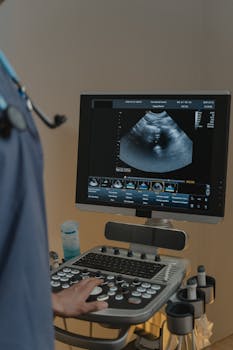
Imagine waking up in the middle of the night with an excruciating pain in your lower back or side. This is a common scenario for many who experience kidney stones, and while the discomfort can be severe, advancements in medical imaging, such as ultrasound, are proving to be valuable. By understanding how ultrasound and kidney stones interplay, people are better equipped to detect and manage this painful condition.
Understanding Ultrasound Technology
Ultrasound technology makes use of sound waves to produce images of the organs inside your body. Unlike X-rays, ultrasound doesn’t involve radiation, making it a safer option for pregnant women or those who need frequent imaging. When it comes to kidney stones, an ultrasound can offer a clear view of the kidneys and bladder, helping doctors to identify the presence and size of stones accurately.
Diagnosing Kidney Stones with Ultrasound
When someone comes in with symptoms that suggest kidney stones, like intense pain or hematuria, a doctor may recommend an ultrasound as part of the diagnostic process. This method is particularly useful because it allows for real-time assessment, enabling healthcare providers to quickly understand what’s happening inside the body.
Advantages of Ultrasonography for Kidney Stones
Ultrasounds offer several advantages when diagnosing kidney stones. Firstly, it’s a non-invasive technique and doesn’t require any special preparation, making the process seamless. Moreover, it’s a versatile tool that doctors can use at the bedside or in various clinical settings. This can be crucial in emergency scenarios where a rapid diagnosis is needed.
The Role of Ultrasound in Kidney Stone Management
Beyond diagnosis, ultrasound plays a strategic role in managing kidney stones. Once stones are detected, doctors can formulate a treatment plan tailored to the stone’s size and position. Smaller stones may pass naturally through increased fluid intake and monitoring, which can be tracked through follow-up ultrasounds.
In some cases, therapeutic interventions may be required, such as extracorporeal shock wave lithotripsy (ESWL), which ultrasound can also assist by targeting the precise location of stones for successful treatment. The ongoing monitoring of stones post-treatment is another crucial aspect of managing kidney stones, where ultrasound proves beneficial in assessing the stone-free status.
When to Seek Care
If you’re experiencing severe pain in the abdomen or back, blood in your urine, or nausea and vomiting, it’s vital to seek medical attention. These may be signs that a kidney stone is obstructing your urinary tract, requiring prompt evaluation. Scheduling an appointment with a healthcare provider, such as a urologist or a nephrologist, ensures a comprehensive approach to diagnosis and treatment.
While self-care measures like drinking water and managing pain are useful, persistent symptoms should prompt a visit to a doctor. Early intervention can help prevent further complications and accelerate your recovery.
How Lifestyle Choices Impact Kidney Stone Formation
There’s a significant link between lifestyle choices and the formation of kidney stones. Factors such as diet, hydration levels, and exercise can influence stone development. Staying informed about how lifestyle choices impact our overall health can empower you to make decisions that reduce your risk.
Questions to Ask Your Doctor
When dealing with kidney stones, having a clear dialogue with your healthcare provider is crucial. Ask about the size of your stones, the likelihood of passing them naturally, and potential treatment options. Inquire about dietary adjustments that could mitigate stone recurrence, and any side effects associated with treatments offered.
For some people, recurring kidney stones might be a concern, requiring a more detailed investigation into underlying conditions or genetic predispositions.
The Importance of Ongoing Monitoring
Once diagnosed with kidney stones, regular follow-up is essential. Your healthcare provider may recommend periodic ultrasounds to monitor any changes in stone size or new stone formation. This proactive approach can help manage potential issues before they become severe and ensure your kidneys remain healthy.
Takeaways
- Ultrasound is a safe, non-invasive way to diagnose kidney stones.
- It helps in both the detection and ongoing management of kidney stones.
- Early diagnosis and intervention can prevent complications.
- Lifestyle choices significantly impact kidney stone prevention.
- Regular medical check-ups are crucial for managing kidney health.
Common Questions
What do kidney stones feel like?
Kidney stones often cause severe pain in the back or side, blood in urine, and may be accompanied by nausea or vomiting.
Who should I see if I suspect a kidney stone?
If you suspect you have a kidney stone, you should consult a urologist or nephrologist as they specialize in kidney health.
Can lifestyle changes help prevent kidney stones?
Yes, maintaining a balanced diet, staying hydrated, and regular exercise can reduce the risk of developing kidney stones.
How does ultrasound compare to other imaging methods for kidney stones?
Ultrasound is a non-invasive, safe method that doesn’t use radiation, making it a preferred option for many patients.
What happens if kidney stones aren’t treated?
Untreated kidney stones can lead to complications like infections, kidney damage, or long-term urinary tract issues. Regular monitoring and seeking timely medical help is essential.
Other Articles You May Find of Interest...
- How Ultrasound Can Help Detect and Manage Kidney Stones
- Managing Radiation Cystitis: Effective Strategies for Relief and Recovery
- Is Testicular Calcium a Cause for Concern? Discover the Facts
- Navigating the Challenges of TURP Syndrome for Better Health
- Identifying the Signs of Renal Cysts: What to Look For
- Why Is My Urine Orange After Taking Azo and How Long Will It Last?
- Is Double Voiding a Solution for Your Bladder Health?




