More CPR Training Articles
Recognizing Shockable Rhythms for Effective Emergency Response
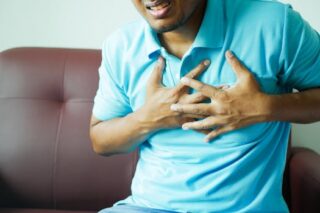
Imagine this: You’re in a crowded shopping mall when suddenly, a middle-aged man collapses. Bystanders start to gather, unsure of what to do. Quickly assessing the situation, you realize it might be cardiac arrest. The ability to recognize shockable rhythms is crucial here, as delivering a timely electric shock using an automated external defibrillator (AED) can be life-saving. But what exactly are these rhythms that can be treated with a shock, and how can you prepare yourself to respond effectively?
Identifying Shockable Rhythms
Shockable rhythms refer to certain abnormal heart rhythms that can be addressed using an AED. The two primary rhythms in this category are ventricular fibrillation (VF) and pulseless ventricular tachycardia (VT). VF is a chaotic heart rhythm that leads to an uncoordinated contraction of heart muscles. In contrast, pulseless VT represents a fast heart rhythm resulting in the heart being unable to pump blood effectively. Both conditions can lead to sudden cardiac arrest if not promptly treated with defibrillation.
In emergencies, recognizing these patterns is essential. Bystanders trained in CPR and AED use can make a difference, but professionals often rely on electrocardiograms (ECGs) to confirm shockable rhythms. The rapid delivery of a shock through the use of an AED is crucial in restoring a normal heart rhythm and increasing the chances of survival.
How AEDs Help in Emergencies
When a cardiac arrest occurs, an AED can be a lifesaver. These portable devices are designed to diagnose and treat shockable rhythms with a controlled electric shock. AEDs are user-friendly, equipped with voice prompts, and provide clear instructions, enabling even untrained individuals to use them effectively.
Many AEDs are now located in public areas like airports, shopping centers, and sports venues, making them easily accessible during emergencies. Early initiation of CPR, combined with prompt AED use, substantially improves survival rates from sudden cardiac arrest.
When to Seek Care
Recognizing the signs that require professional evaluation is key. If someone experiences sudden collapse, loss of consciousness, and absence of breathing or a detectable pulse, it’s critical to call emergency services immediately. A healthcare provider, usually an emergency physician or a cardiologist, will further assess and confirm shockable rhythms in a clinical setting.
While AEDs are instrumental in emergency response, comprehensive care often involves hospitalization and further interventions to address underlying conditions.
For individuals who are at risk of cardiac events, lifestyle choices can play a significant role in overall heart health. Engaging in regular exercise, maintaining a balanced diet, and monitoring risk factors like cholesterol and blood pressure are essential. Learn more about how lifestyle choices impact your overall health.
Practical Considerations with AED Use
One common question regarding AEDs is whether you’ll need to switch devices or settings depending on the situation. Most AEDs are designed to assess the heart’s rhythm automatically and determine whether a shock is warranted. It’s essential to follow the device instructions closely and not administer a shock manually unless prompted.
During the emergency, ensure that the chest is dry and free of hair where electrodes need to be placed to ensure effective delivery of the shock. AEDs analyze the heart rhythm first and only deliver a shock if a shockable rhythm like VF or VT is detected.
Common Questions
What are the common causes of shockable rhythms?
The most common causes of shockable rhythms include coronary artery disease, heart attacks, cardiomyopathy, and electrolyte imbalances. These conditions can disrupt normal electrical pathways in the heart.
Should an AED always be used during cardiac arrest?
Yes, if a person is unresponsive and not breathing normally, an AED should be used as soon as possible. The AED will guide you on next steps based on the rhythm detected.
Can medications affect the treatment of these rhythms?
Some medications can influence heart rhythms and might require adjustments under medical supervision. Always consult a healthcare professional before making any medication changes.
When should you consult a doctor about heart rhythm issues?
If you experience palpitations, dizziness, or episodes of fainting, it’s vital to see a healthcare provider. They can conduct tests like an ECG to evaluate your heart health.
How does lifestyle impact shockable rhythm risk?
Healthy lifestyle choices contribute to overall heart health and reduce the risk of developing conditions that cause shockable rhythms. For more detailed information on improving heart health through lifestyle, the CDC guide on heart health can be useful.
- Take swift action during cardiac emergencies to increase survival chances.
- AEDs are effective tools in treating shockable heart rhythms.
- Early defibrillation and CPR can significantly impact outcomes.
- Consult healthcare providers for persistent or concerning symptoms.
- Healthy lifestyle choices can reduce the risk of cardiac events.
Being informed and prepared to manage an emergency can save lives. Understanding shockable rhythms and how to respond ensures that you are equipped to act confidently in critical situations.
Other Articles You May Find of Interest...
- Is Ventricular Fibrillation Shockable? Why Defibrillation Matters
- How to Apply a Tourniquet Correctly
- Pulseless V-Tach: Why Every Second Before the Shock Counts
- Exploring the Impact of Health Choices They Did Make
- Exploring the Impact of Health Choices They Did Make
- Exploring the Impact of Health Choices They Did Make
- Exploring the Impact of Health Choices They Did Make