More Ear, Nose & Throat Articles
Exploring Autophony: Understanding Its Impact on Hearing and Sound Perception
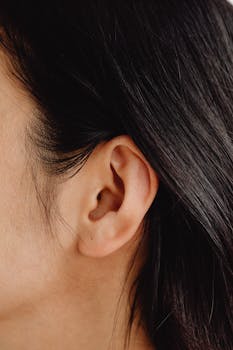
Imagine experiencing a constant echo of your own voice, footsteps, or breathing. This peculiar sensation, known as autophony, can be quite unsettling for those who experience it. Autophony occurs when individuals hear amplified versions of their own bodily sounds, often due to changes in the air spaces of the middle ear. While many may think they’re simply going through an auditory anomaly, understanding the underlying causes is crucial for addressing this issue.
What Causes Autophony?
Autophony is primarily caused by Eustachian tube dysfunction, where the Eustachian tube fails to regulate ear pressure effectively. This can result from allergies, colds, or even structural abnormalities like a patulous Eustachian tube, which remains abnormally open. Fluid in the middle ear, due to infections or inflammation, can also enhance self-generated sounds.
Impact of Autophony on Daily Life
Though it might be perceived as just a minor annoyance, autophony can significantly affect one’s quality of life. Tasks as simple as swallowing or talking can become distracting, as the person continually hears these sounds internally. In social settings, this can lead to embarrassment or discomfort, as individuals might speak more quietly or avoid interactions altogether.
When to Seek Care
If autophony is persistent or affecting your day-to-day activities, it’s important to consult a healthcare provider. An audiologist or an otolaryngologist (ENT specialist) can diagnose the issue and recommend appropriate management strategies. If impaired hearing or ear pain accompanies the autophony, seek medical attention promptly to rule out any underlying conditions.
Potential Treatments and Strategies
Addressing autophony often involves treating the underlying condition. For instance, managing sinus infections or allergies can reduce symptoms. In some instances, surgical interventions might be considered, such as tympanoplasty or Eustachian tube balloon dilation, aimed at correcting structural issues. Custom-fitted earpieces can also help in reducing the internal amplification of sound.
Living with Autophony
For those experiencing autophony, practical coping mechanisms might include minimizing exposure to loud environments and using white noise machines to help mask background noise. Breathing and swallowing exercises might also help in alleviating some symptoms.
In exploring new ways to manage mental strains that accompany auditory disturbances like autophony, emerging therapies in mental health interventions could offer some unique benefits.
Questions to Ask Your Healthcare Provider
When visiting a healthcare provider, consider asking about the potential causes specific to your case and the range of treatment options available. Questions about lifestyle changes that could help manage symptoms or innovations in treatment are also valuable.
External Resources for Further Reading
For more information about autophony and other ear-related conditions, visit Wikipedia’s Health page.
- Autophony involves hearing amplified sounds of one’s own body.
- It’s often related to Eustachian tube dysfunction.
- Consulting an ENT specialist can help identify the cause.
- Treatments may involve medical or surgical options.
- Everyday strategies can assist in managing the condition.
Common Questions
What is autophony?
Autophony is when individual’s hear amplified versions of their own voice and bodily sounds. It often results from issues in the ear’s structure.
When should you see a doctor for autophony?
If the symptoms are persistent or interfere with everyday activities, it’s advisable to consult an ENT specialist for evaluation and management.
What can cause autophony?
Common causes include Eustachian tube dysfunction, ear infections, allergies, or structural abnormalities in the ear.
How can autophony affect daily life?
Autophony can disrupt conversations, impact social interactions, and cause discomfort due to constant internal noise perception.
What types of treatments are available for autophony?
Treatments can range from medication and exercises to surgical interventions, depending on the underlying cause and severity of the condition.
Other Articles You May Find of Interest...
- Why Your Singing Voice Sounds Raspy
- Frequent Ear Infections? What You Should Know About Recurring Problems
- What Happens if a Sinus Infection Goes Untreated?
- When Persistent Sinus Symptoms Need an ENT Evaluation
- How Long Does Alcohol-Induced Vertigo Last?
- Can an Eardrum Rupture With Ear Tubes in Place?
- The Larynx, Also Known as the Voice Box