More Heart Disease, Stroke and Diabetes Articles
How Cuffless Blood Pressure Monitors Are Reshaping Home Health Management
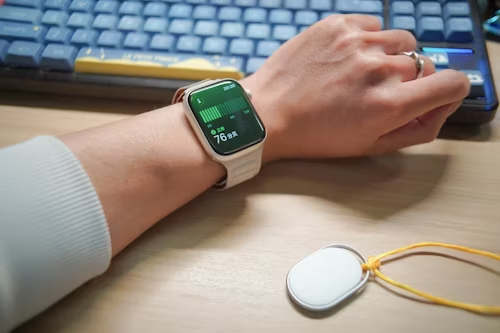
Home health monitoring has undergone a quiet revolution in recent years, driven by devices that prioritize convenience without sacrificing clinical relevance. Among the most promising developments are cuffless blood pressure monitors—compact, sensor-driven tools that eliminate the need for inflatable arm cuffs while delivering continuous cardiovascular insights. For the millions managing hypertension or monitoring heart health at home, these devices represent a meaningful shift in how blood pressure tracking fits into daily life.
Unlike traditional sphygmomanometers, which require proper cuff placement and can cause discomfort during repeated use, cuffless monitors rely on photoplethysmography (PPG) sensors, pulse wave analysis, and machine learning algorithms to estimate blood pressure from wrist or fingertip readings. The technology is still maturing, but its appeal is clear: unobtrusive, frequent monitoring that integrates seamlessly with smartphones and wearable ecosystems.
How Cuffless Technology Actually Works
Cuffless blood pressure monitors measure cardiovascular parameters through indirect methods. Most rely on optical sensors that detect blood volume changes in capillaries beneath the skin. By analyzing the shape and timing of pulse waves—specifically, pulse transit time (PTT) or pulse wave velocity (PWV)—these devices estimate systolic and diastolic pressure.
The process involves calibration. Users typically perform an initial reading with a traditional cuff-based monitor to establish a baseline. From there, the device uses algorithms to correlate pulse wave characteristics with blood pressure values. According to research published in Hypertension, a journal of the American Heart Association, accuracy varies depending on sensor quality, calibration frequency, and individual physiology. While not yet a full replacement for clinical-grade devices, cuffless monitors offer a practical middle ground for trend tracking and early detection.
Technology continues to evolve. Companies are refining sensor arrays, improving algorithmic precision, and exploring integration with electrocardiogram (ECG) data to enhance reliability. For users who need frequent readings—such as those adjusting medications or managing white-coat hypertension—the reduced friction of cuffless monitoring can improve adherence and data quality.
Why Cuffless Monitors Appeal to Home Users
The shift toward blood pressure monitors without cuffs reflects broader trends in consumer health technology: portability, ease of use, and continuous data collection. Here’s what makes them attractive:
- Comfort: No arm compression means no discomfort, particularly beneficial for individuals with sensitive skin, lymphedema, or those who need multiple daily readings.
- Portability: Many models are wrist-worn or finger-based, fitting easily into a pocket or bag—ideal for travel or workplace monitoring.
- Continuous tracking: Some devices log readings passively throughout the day, capturing blood pressure fluctuations that single-point measurements might miss.
- Data integration: Bluetooth connectivity allows automatic syncing with health apps, enabling users and clinicians to review trends over time.
These advantages don’t eliminate the need for traditional monitors entirely, but they lower the barrier to consistent monitoring—a critical factor in managing chronic conditions.
Cuffless vs. Traditional Monitors: A Practical Comparison
Choosing between a cuffless and traditional blood pressure monitor depends on individual priorities and clinical needs. Here’s how they stack up:
- Accuracy: Oscillometric cuff monitors remain the gold standard for home use, validated against auscultatory methods. Cuffless devices are improving but still require periodic recalibration and may be less reliable in certain populations (e.g., those with arrhythmias or arterial stiffness).
- Use cases:
- Cuffless monitors: Best for frequent, low-friction tracking; useful for spotting trends, monitoring medication adjustments, or catching early-morning surges.
- Traditional monitors: Preferred when clinical-grade accuracy is essential, such as diagnosing hypertension or titrating antihypertensive therapy.
- User experience: Cuffless devices win on convenience and comfort. Traditional monitors require proper technique—arm positioning, cuff size, rest period—which can introduce user error.
For many, the ideal approach is hybrid: a validated cuff monitor for periodic verification and a cuffless device for day-to-day tracking. This combination balances accuracy with usability.
FDA Approval and Clinical Validation
Regulatory clearance is a critical benchmark for any medical device. The FDA evaluates blood pressure monitors based on safety, accuracy, and manufacturing quality. As of now, only a handful of cuffless monitors have received FDA clearance, and most are classified as wellness devices rather than diagnostic tools.
The FDA’s criteria include:
- Clinical validation: Devices must demonstrate accuracy against reference standards in diverse populations.
- Safety: No adverse effects from prolonged use or sensor contact.
- Labeling clarity: Users must understand the device’s limitations and appropriate use cases.
Devices such as those from Sempulse illustrate the emerging generation of home cardiovascular monitoring, combining wearable convenience with advanced, clinical-grade sensor technology. As regulatory frameworks continue to develop, additional solutions are expected to reach the market, broadening access to validated cuffless blood pressure monitoring. Comparable companies like Omron Healthcare and Withings also offer consumer-facing cardiovascular monitoring technologies within this evolving space.
For consumers, FDA clearance signals that a device has met rigorous testing standards. It’s worth checking whether a cuffless monitor is cleared for medical use or marketed solely for wellness tracking—the distinction affects how results should be interpreted and shared with healthcare providers.
Wearables and the Broader Health Monitoring Ecosystem
Cuffless blood pressure monitors are part of a larger shift toward continuous, passive health monitoring. Wearable technology—from fitness trackers to smartwatches—has normalized the idea of tracking biometrics in real time. According to a study in npj Digital Medicine, wearables improve health outcomes by increasing user engagement, enabling early intervention, and providing clinicians with longitudinal data.
Key benefits of wearable health tech include:
- Real-time feedback: Immediate insights into heart rate, activity, sleep, and now blood pressure help users make informed decisions.
- Behavioral nudges: Reminders to move, breathe, or check vitals can reinforce healthy habits.
- Longitudinal data: Continuous monitoring reveals patterns invisible in single clinic visits—such as nocturnal hypertension or stress-related spikes.
Cuffless monitors fit naturally into this ecosystem. When paired with other sensors—ECG, SpO2, accelerometers—they contribute to a holistic picture of cardiovascular health. This integration is particularly valuable for managing conditions like atrial fibrillation, where blood pressure variability and heart rhythm interact.
Emerging Trends in Remote Health Monitoring
The rise of telehealth and remote patient monitoring has accelerated adoption of home-based diagnostic tools. Cuffless blood pressure monitors align with several key trends reshaping healthcare delivery:
- AI-driven insights: Machine learning algorithms analyze patterns in blood pressure data, flagging anomalies and predicting cardiovascular events before they occur.
- Smartphone integration: Apps aggregate data from multiple sources—blood pressure, glucose, weight—giving users and providers a unified dashboard.
- Remote monitoring programs: Insurers and health systems increasingly reimburse for remote monitoring, incentivizing use of connected devices.
- Miniaturization: Advances in sensor technology are making devices smaller, more accurate, and less power-hungry.
These trends suggest that cuffless monitors will become more accurate, affordable, and clinically integrated over time. As validation studies accumulate and regulatory frameworks adapt, the line between consumer wellness devices and medical-grade monitors will continue to blur.
Why Home Blood Pressure Monitoring Matters
Hypertension affects nearly half of American adults, yet many remain undiagnosed or inadequately controlled. Home blood pressure monitoring improves outcomes by increasing measurement frequency, reducing white-coat effect, and empowering patients to take ownership of their health. The CDC notes that self-monitoring, combined with clinical support, leads to better blood pressure control and reduced cardiovascular risk.
Cuffless monitors lower barriers to consistent tracking:
- Convenience: No setup time or discomfort means users are more likely to measure regularly.
- Discretion: Wrist-worn devices allow monitoring in public or professional settings without drawing attention.
- Data richness: Continuous or frequent readings capture variability that single measurements miss, providing a more complete picture.
- Engagement: Visual feedback and trend analysis motivate users to adhere to treatment plans and lifestyle changes.
For individuals managing chronic conditions, the ability to monitor blood pressure effortlessly throughout the day can be transformative. It shifts the focus from episodic clinic visits to continuous self-management—a model that aligns with the realities of modern life and the demands of chronic disease care.
As one cardiologist put it: “The best blood pressure monitor is the one patients actually use.” Cuffless technology, for all its current limitations, meets that standard for a growing number of people. As accuracy improves and clinical validation expands, these devices will play an increasingly central role in home healthcare—not as a replacement for traditional methods, but as a complementary tool that makes cardiovascular monitoring more accessible, more frequent, and ultimately more effective.
Other Articles You May Find of Interest...
- What is Insulin Resistance? Does it Mean Prediabetes?
- Is High LDL-P Dangerous? Particle Count vs. Cholesterol
- Heart Symptoms People Brush Off Until Testing Catches Something
- 5 Ways Cardiac Hypertrophy Affect Heart Function
- How E-Bike Commuting Can Support a Heart-Healthy Routine
- How Farxiga Helps a Failing Heart
- How the Heart Drains Its Own Blood