More Men's Health Articles
Signs of Low Testosterone in Men Over 40: What the Clinical Criteria Actually Say
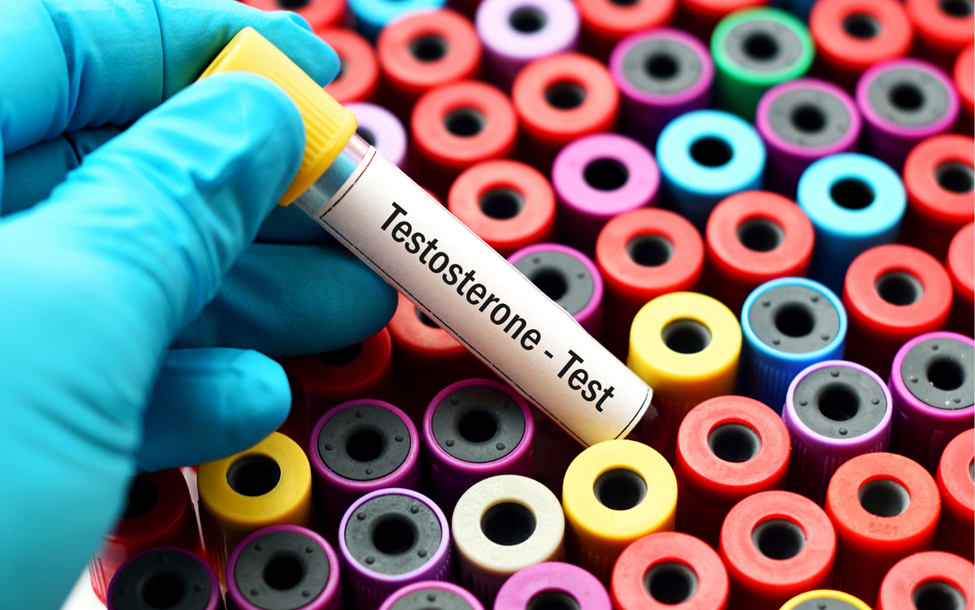
Men in their forties are routinely told by their doctors that their labs are normal. They walk in reporting persistent fatigue, unexplained weight gain, diminished libido, poor sleep, and a general sense of cognitive fog they cannot shake. They walk out with a pamphlet about diet and exercise and no real answers. This gap between what men experience and what conventional medicine acknowledges is exactly the territory that hormone optimization clinics like Optimize 360 were built to address.
Based in Muncie, Indiana and serving patients nationwide via telehealth, Optimize 360 operates on the principle that there is a meaningful and consequential difference between being free of diagnosable disease and actually functioning the way your body is capable of functioning. That distinction matters enormously when it comes to testosterone, and understanding it starts with the clinical criteria themselves.
Why Testosterone Declines in the First Place
Testosterone is the primary androgen in men, produced predominantly in the testes with a secondary contribution from the adrenal glands. It governs muscle mass, bone density, red blood cell production, fat distribution, libido, mood regulation, cognitive sharpness, and reproductive function. It is not a single-system hormone. It is deeply integrated into the functioning of nearly every major biological system in the male body.
After peak production in the late teens and early twenties, testosterone levels decline gradually over time, typically at a rate of around one to two percent per year after the age of thirty. This is a normal physiological process. But gradual does not mean inconsequential. By the time a man reaches his early forties, his testosterone levels may be significantly lower than they were a decade earlier, and if lifestyle factors like chronic stress, poor sleep, excess body fat, sedentary behavior, or environmental toxin exposure are compounding that decline, the drop can be considerably steeper than the standard trajectory.
What makes this complicated from a diagnostic standpoint is that the clinical reference range for testosterone is extraordinarily wide. Most laboratory panels define a normal total testosterone as anywhere from roughly 264 to 916 nanograms per deciliter. That range is so broad that a 42-year-old man with a total testosterone of 290 ng/dL is technically within the normal window, even though his level is comparable to that of an average 80-year-old. The range was designed to flag disease, not to identify suboptimal function. And for men living with symptoms, that distinction is the difference between getting help and being sent home.
The Problem with Relying on Total Testosterone Alone
Even setting aside the width of the reference range, total testosterone is only one piece of a complex hormonal picture. The clinically relevant number for most men is free testosterone, which represents the portion of testosterone that is not bound to proteins and is therefore biologically active at the cellular level.
Most testosterone in the bloodstream is bound to either albumin or sex hormone binding globulin, known as SHBG. Only about two to three percent circulates freely. A man can have a total testosterone that appears adequate while his free testosterone is functionally deficient, particularly if his SHBG levels are elevated. Conditions that drive SHBG upward include aging itself, thyroid disorders, and certain medications. When SHBG is high, more testosterone gets bound and pulled out of active circulation, and the net result is low-testosterone symptoms despite lab values that look acceptable at first glance.
This is one of several reasons why a comprehensive hormone evaluation looks at far more than a single number. A genuinely diagnostic panel includes total testosterone, free testosterone, SHBG, estradiol, DHEA-S, prolactin, a full thyroid panel covering TSH, free T3, free T4, and TPO antibodies, fasting insulin, HbA1c, a complete metabolic panel, CBC, lipid panel, PSA, cortisol, and inflammatory markers. Each of these provides information the others cannot, and taken together they reveal the hormonal and metabolic context that determines how a man actually feels versus how his labs appear on a surface-level screening.
The Clinical Signs of Low Testosterone: What to Look For
The clinical picture of low testosterone in men over 40 is rarely dramatic in the early to middle stages. It tends to present as a gradual erosion of the qualities that define feeling well and performing well, often attributed to stress, age, or lifestyle rather than recognized as a hormonal pattern. The signs that carry the most clinical weight are the following.
Persistent fatigue that does not respond to rest is one of the most consistent and earliest signs. Men describe it as a tiredness that is disconnected from sleep, a feeling of running on empty regardless of how many hours they spent in bed. This kind of fatigue is biologically distinct from normal tiredness, rooted in the testosterone-dependent regulation of energy metabolism and mitochondrial function in skeletal muscle.
Progressive loss of lean muscle mass and increasing central adiposity, particularly the accumulation of fat around the abdomen and chest, reflects the anabolic and metabolic roles of testosterone. When levels drop, the body loses its primary signal for muscle protein synthesis and shifts toward fat storage, especially visceral fat. That visceral fat is itself metabolically active and converts testosterone to estrogen through a process called aromatization, which further suppresses testosterone production. It is a reinforcing cycle that becomes progressively harder to break with lifestyle measures alone.
Reduced libido is one of the most recognized symptoms but frequently underreported because men minimize it or attribute it to relationship factors or stress. Testosterone is the primary driver of sexual desire in men, and its decline has a direct and often early impact on libido before other symptoms become apparent. Erectile dysfunction, particularly difficulty achieving and maintaining erections, can follow as both testosterone and the vascular health it supports deteriorate together.
Cognitive changes are less often connected to hormone status by men or their doctors, but brain fog, difficulty with focus and concentration, reduced working memory, and a generalized decline in mental sharpness are well-documented effects of testosterone deficiency. Testosterone receptors are present throughout the brain, and their activation is involved in processes related to mood regulation, motivation, memory consolidation, and executive function. When levels fall, cognitive clarity tends to go with them.
Mood disturbances represent another category that frequently goes misdiagnosed. Irritability, low-grade depression, increased anxiety, and a flattened emotional baseline are common in men with suboptimal testosterone. Because these presentations overlap with primary mood disorders, they are often treated with antidepressants or anxiety medications that address the neurochemical symptoms without resolving the underlying hormonal cause. Men who do not respond to these interventions as expected, or who develop them later in life with no prior psychiatric history, should have their hormonal status thoroughly evaluated.
Sleep disruption rounds out the core symptom cluster. Testosterone is secreted primarily during sleep, with levels peaking in the early morning hours. Poor sleep reduces testosterone production, and low testosterone disrupts sleep architecture, particularly the restorative deep sleep stages. This bidirectional relationship means that sleep problems and testosterone deficiency feed each other, and addressing one without the other rarely produces lasting improvement.
Why Standard Screening Misses the Majority of Affected Men
A primary care appointment focused on general health maintenance is not designed to catch subtle hormonal decline. The average primary care visit covers a broad range of health concerns in a limited amount of time, and the standard lab panel checks five or fewer markers. When testosterone comes back within the reference range, even at the low end, it is generally documented as normal and the conversation moves on.
The problem is structural. Standard reference ranges pool data from a wide population across all age groups, meaning that what is technically normal includes values that would have been considered deficient in the same man twenty years earlier. There is no age-adjusted optimization target built into standard reference values the way there are for other health markers. A 45-year-old man at the bottom quartile of the normal range has levels that are clinically meaningful even if they do not trigger a flag in a basic lab review.
This is where specialized evaluation makes a material difference. When a comprehensive panel is read alongside a detailed symptom history and contextualized against the patient’s age, health history, and goals, patterns emerge that a five-marker screening will reliably miss. Elevated prolactin suppressing testosterone production, suboptimal free testosterone despite acceptable total levels, elevated estradiol from aromatization driven by excess body fat, or low cortisol creating fatigue that mimics testosterone deficiency but responds to different treatment: these distinctions matter enormously for what actually works.
What Treatment Looks Like When Done Properly
Hormone Replacement Therapy, and specifically Testosterone Replacement Therapy for men, restores testosterone to levels where the body functions well rather than merely surviving within a disease-avoidance threshold. When properly dosed and monitored, TRT addresses the biological root cause of the symptom cluster described above rather than managing each symptom in isolation with separate medications.
At Optimize 360, the process begins with a comprehensive intake and a lab draw covering the full 15-plus marker panel. Once results are available, a detailed consultation with Dr. Steve Farmer, who has over 30 years of clinical experience in evidence-based hormone medicine and trained at the IU School of Medicine, reviews every marker in relation to the patient’s symptoms, health history, and goals. A protocol is then designed specifically for that individual, not based on a standard template.
TRT delivery options include injections, gels, patches, and creams, with testosterone cypionate at $59 per month representing one of the most widely used and clinically established options. Ancillary medications are prescribed where appropriate: anastrozole to manage estrogen balance during TRT, HCG to preserve testicular function and fertility, and clomiphene or enclomiphene in cases where stimulating the body’s own production is the appropriate first approach. The full hormonal picture is maintained, not just a single number.
Most patients at Optimize 360 report initial improvements in energy, mood, and sleep within two to four weeks of starting a properly calibrated protocol. Deeper changes including fat loss, improved libido, stronger cognitive function, and more significant physical performance gains typically emerge by six to twelve weeks, with continued improvement through the first six months of treatment.
Follow-up labs at six to eight weeks allow for protocol refinement based on actual response. Ongoing monitoring takes place every eight to twelve weeks initially and transitions to every three to six months once the protocol is stable. Patients have access to unlimited messaging with their provider throughout, which means questions are addressed when they arise rather than waiting for a scheduled appointment.
When to Stop Dismissing the Symptoms
Men over 40 are culturally conditioned to attribute the gradual decline of their physical and mental capacity to aging and push through it. Some of that is legitimate. Bodies do change with time. But there is a meaningful distinction between the natural and manageable arc of aging and the kind of progressive functional decline that is being driven by a specific, correctable hormonal deficit that conventional medicine is structurally unlikely to catch.
If you are experiencing persistent fatigue that rest does not fix, accumulating fat in your midsection despite reasonable effort at diet and exercise, declining libido, difficulty focusing, mood instability with no clear psychiatric explanation, or sleep that feels inadequate regardless of hours, the clinical criteria for evaluation are clearly met. The question is not whether you should investigate the possibility of low testosterone. The question is whether you are working with a provider who is equipped to investigate it properly.
Other Articles You May Find of Interest...
- 5 Ways Aging Can Affect Testosterone Levels in Men
- How Much Does Gynecomastia Surgery Cost?
- Beyond Volume: The True Anatomy and Proportions of a Masculine Jawline
- Understanding Black Disc Disease: Causes, Symptoms, and Management Options
- Why Your Underwear Might Be the Reason You Sweat, Itch, and Chafe (And What to Switch To)
- Exploring the Key Characteristics of Spastic Dysarthria
- Erectile Dysfunction in Your 40s and Beyond: Causes, Treatment Options and When to Get Help