






More Allergy, Asthma & Infectious Disease Articles
Is Your Rash a Sign of the Flu? Discover the Connection
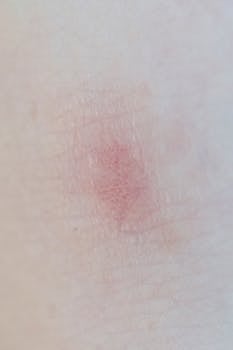
Imagine waking up one morning to find an unfamiliar rash on your skin. You might wonder if it’s a sign of the flu, as many illnesses can manifest through changes in your skin. While most people associate the flu with symptoms like fever and fatigue, understanding whether a rash could be a symptom is important. Let’s dive into how or if flu is connected to skin rashes.
Flu Rash: Fact or Fiction?
While a flu rash isn’t a classic symptom of influenza, some individuals may experience skin reactions when battling the virus. This can be due to the body’s immune response or possible interactions with medications taken to alleviate flu symptoms. Though rare, understanding these connections can help in managing and identifying the causes of unusual skin changes.
Causes of Skin Rash During the Flu
Rashes during flu are uncommon but can occur due to various reasons. Here are some potential causes:
- Viral Reaction: The body’s immune system is in overdrive when fighting the flu virus, possibly leading to skin changes.
- Medication Side Effects: Occasionally, medications like antivirals or pain relievers may cause skin reactions.
- Secondary Infections: The flu can sometimes compromise the immune system, making secondary skin infections more likely.
When to Seek Care
If a rash appears suddenly or is accompanied by other severe symptoms such as difficulty breathing, it’s essential to seek medical attention. A healthcare provider, such as your primary care doctor or a dermatologist, can help determine the cause of the rash. It’s particularly crucial if the rash is painful, rapidly spreading, or accompanied by a high fever.
For more information on symptoms that might need closer attention, see our article on recognizing concerning signs.
Medications and Their Impact on Skin
It’s possible for medications used during flu treatment to contribute to skin changes. If you’re prescribed antiviral medications, you might worry about potential side effects like rashes:
Always speak with your doctor if side effects become noticeable. Your healthcare provider can advise whether you should stop a medication or switch to another. If you suspect a medication is causing a rash or if you develop new symptoms, a healthcare professional’s guidance is vital in making adjustments to your regimen.
For more detailed information on medication side effects and management, consider checking resources such as Mayo Clinic’s official site.
Frequently Seen Skin Changes
While flu rashes are rare, common skin changes during illness include:
- Hives: Raised, itchy welts indicating an allergic reaction or immune response.
- Red Dots or Blotches: Small spots that might appear with fever or after taking certain medications.
Though these symptoms may seem alarming, they’re often manageable when addressed with a healthcare provider’s advice.
Everyday Impact
Living with an unexplained rash can undoubtedly affect your daily life, from causing discomfort to affecting your confidence in social situations. Remembering the surroundings you were exposed to or any new medications taken can serve as valuable insight when consulting a healthcare provider. Seeking help sooner rather than later can reduce the burden on your daily routine and provide peace of mind.
Learn more about maintaining your skin health during other systemic illnesses at the Wikipedia page on health.
Takeaways
- Flu rash is a rare but possible symptom due to immune responses.
- Any severe or fast-spreading rash should be reviewed by a doctor.
- Medication reactions can sometimes lead to rashes.
- Consult a healthcare provider if new symptoms arise during flu recovery.
- Proper evaluation can provide peace of mind and prevent further complications.
Common Questions
When should I see a doctor for a flu rash?
Seek medical attention if the rash is severe, increasing, or accompanied by a high fever or other serious symptoms.
Who can help with unexplained rashes?
Your primary care provider or a dermatologist can evaluate and help understand the cause of your skin rash.
Do all flu cases result in rashes?
No, a skin rash is an uncommon symptom of flu, often appearing due to secondary causes or medications.
Can medications cause a rash during the flu?
Yes, some medications used for managing flu symptoms may cause rashes as a side effect. Consult your doctor if you suspect a link.
Other Articles You May Find of Interest...
- How to Keep Pollen Out of Your Home: Choosing an Air Purifier for Pollen
- When Should Your Child See a Pediatric Allergist? A Three-Trigger Test
- Candida sp. rRNA Results: What Molecular Testing Detects
- Ant Bites or Poison Ivy? How the Rashes Differ
- Can Stress Cause Cold Sores on the Lips?
- Gram-Positive Rods in a Blood Culture: Contamination or Infection?
- Can Head Lice Get Into Your Ears?





