






More Heart Disease, Stroke and Diabetes Articles
Managing Low Blood Pressure: Insights into Hypotension and Its ICD Code
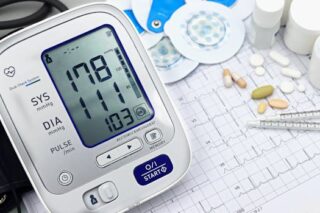
Many people may not think twice about a sudden dizzy spell, attributing it to a quick change in position or dehydration. However, consistently experiencing such symptoms could indicate a condition known as hypotension, or low blood pressure. While it might seem like a harmless issue, understanding the ICD code for hypotension is essential for accurate diagnosis and treatment. The International Classification of Diseases (ICD) provides a systematic framework for identifying and classifying health conditions, including hypotension. For clinicians, utilizing the ICD code for hypotension ensures precise communication and proper management of a patient’s health records.
What Is Hypotension?
Hypotension occurs when blood pressure is lower than expected, typically below a reading of 90/60 mmHg. For some, it might be their normal baseline and cause no issues, while for others, it can result in fatigue, dizziness, or fainting spells. Understanding when low blood pressure is a concern depends on the person’s symptoms and how it affects their daily life.
ICD Code for Hypotension
The International Classification of Diseases assigns specific codes for various medical conditions, aiding in diagnosis and billing processes. For instance, the ICD-10 code for hypotension is I95. This category includes different types like orthostatic hypotension, which occurs when standing up from sitting or lying down, and chronic hypotension, a persistent form of low blood pressure.
Common Symptoms and Effects on Daily Life
Hypotension can impact daily activities significantly. Symptoms often include lightheadedness, especially after a sudden movement, blurred vision, or a general sense of fatigue. These symptoms can hinder tasks such as driving, working, or exercising safely. In severe cases, fainting spells may pose risks of injuries from falls.
When to Seek Care
It’s important to consider professional evaluation when hypotension symptoms interfere with daily activities or occur frequently without clear explanation. A primary care doctor is often the first stop; however, for persistent cases, a referral to a cardiologist or neurologist may be necessary. Understanding and tracking blood pressure readings can help inform your healthcare provider and tailor treatment options.
Managing Hypotension: Lifestyle and Medication
For many people, adjusting lifestyles can offer relief from low blood pressure symptoms. Increasing fluid intake, particularly water and electrolytes, can help raise blood pressure levels. Adding more salt to the diet with a healthcare professional’s guidance is another option. It’s crucial to adopt lifestyle changes that support overall health and well-being. You might be interested in exploring how healthy lifestyle choices impact your overall health.
Medication is sometimes necessary, particularly for those with significant symptoms. Medications like fludrocortisone can help increase blood volume, raising blood pressure. It’s important to consult with a healthcare provider to select the most appropriate treatment plan.
Considerations with Medications for Hypotension
Understanding potential side effects and interactions is essential when taking medications for hypotension. Some medications might require gradual adjustments or temporary discontinuation to prevent adverse effects. Patients should communicate openly with their healthcare providers about any new or worsening symptoms, such as dizziness or changes in heart rate, which might suggest the dosage needs adjustment.
Takeaways
- Hypotension refers to low blood pressure and can sometimes cause dizziness or fainting.
- The ICD-10 code for hypotension is I95, crucial for diagnosis and treatment claims.
- Lifestyle changes, like increased fluid intake, can help manage symptoms.
- Medication may be necessary for severe cases, under a doctor’s guidance.
- Consult a healthcare provider for persistent or concerning symptoms.
Common Questions
When should you see a doctor about low blood pressure?
Any time hypotension symptoms interfere with your ability to perform daily tasks or if you experience symptoms like dizziness, fainting, or vision changes, it’s time to seek medical advice.
What type of healthcare provider treats hypotension?
A primary care physician can usually diagnose and manage hypotension. For more complex cases, you might be referred to a cardiologist or an internist specializing in blood pressure disorders.
What are common causes of hypotension?
Hypotension can be caused by dehydration, prolonged bed rest, nutritional deficiencies, heart conditions, or certain medications. Identifying the underlying cause is crucial for proper management.
How can one prevent episodes of low blood pressure?
Staying hydrated, slowly changing positions, and perhaps wearing compression stockings can help maintain blood pressure levels. Discuss preventative measures with your healthcare provider to tailor them to your needs.
To ensure you’re managing hypotension effectively, knowing the ICD code for hypotension and collaborating with your healthcare provider are key components of maintaining overall health and well-being. For further information on related health topics, visit MedlinePlus.
Other Articles You May Find of Interest...
- What is Insulin Resistance? Does it Mean Prediabetes?
- Is High LDL-P Dangerous? Particle Count vs. Cholesterol
- Heart Symptoms People Brush Off Until Testing Catches Something
- 5 Ways Cardiac Hypertrophy Affect Heart Function
- How E-Bike Commuting Can Support a Heart-Healthy Routine
- How Farxiga Helps a Failing Heart
- How the Heart Drains Its Own Blood




