More Allergy, Asthma & Infectious Disease Articles
Protecting Your Health: Navigating Pneumonia During Pregnancy
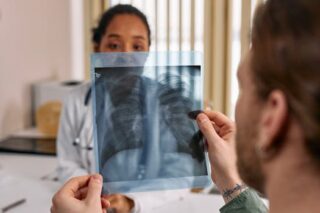
If you’re expecting and find yourself with a persistent cough and fever, you might wonder if it’s just a cold or something more. Pneumonia while pregnant can be particularly concerning due to the unique challenges your body faces during this time. It’s important to recognize the symptoms and understand how to manage the condition safely.
Recognizing the Signs of Pneumonia While Pregnant
During pregnancy, your body’s immune system undergoes changes to accommodate your growing baby. This can sometimes make you more susceptible to infections, including respiratory conditions like pneumonia. Symptoms of pneumonia can mimic those of a severe cold or flu, such as fever, chills, cough, and difficulty breathing. However, if these symptoms persist or worsen, it may indicate pneumonia.
Pneumonia can vary in severity, and during pregnancy, it’s crucial to address any respiratory issues promptly. Untreated pneumonia can pose risks to both the mother and the fetus, including preterm labor or decreased oxygen levels. Therefore, recognizing early signs and seeking medical advice is crucial.
Managing Pneumonia: What’s Safe During Pregnancy?
Treatment options for pneumonia during pregnancy need to prioritize both maternal and fetal health. Antibiotics are commonly used to treat bacterial pneumonia, and certain types are considered safe during pregnancy. Your healthcare provider will choose one based on your specific condition and health history. Rest, hydration, and proper nutrition also play a vital role in recovery.
Over-the-counter medications to alleviate symptoms, like fever reducers and cough suppressants, should be used with caution. Always consult your healthcare provider before taking any medication to ensure it’s safe for you and your baby.
When to Seek Care
If you experience persistent cough, fever, or difficulty breathing, it’s essential to contact your healthcare provider promptly. Early evaluation and diagnosis can prevent complications. An obstetrician or healthcare provider with experience in pregnancy-related conditions can provide the necessary care. In some cases, a pulmonologist may be consulted for advanced respiratory support.
Pneumonia’s Impact on Pregnancy and Daily Life
Living with pneumonia while managing the daily demands of pregnancy can be challenging. Simple tasks may become exhausting due to reduced lung function and increased fatigue. It’s essential to prioritize rest and allow your body to recover fully. Limit physical activity and focus on maintaining a balanced diet to support your immune system.
Household responsibilities may need to be adjusted, so don’t hesitate to ask for support from family and friends. Strategies such as using a humidifier or practicing gentle breathing exercises can help ease breathing difficulties at home.
Medication Management Questions
If you need medication while pregnant, you might wonder about how drugs can affect your baby. It’s crucial to follow your healthcare provider’s instructions and discuss any concerns. They can help you weigh the benefits and potential risks of any medication. It’s common for side effects to vary, and your provider will guide you on whether to stop a medication if needed.
If you want to adopt a healthy lifestyle during pregnancy, consider making informed lifestyle choices that support your well-being. Check out how our lifestyle choices impact overall health.
Takeaways
- Pneumonia during pregnancy requires immediate medical attention.
- Symptoms can mimic those of a cold or flu but should not be ignored.
- Safe treatment options are available; consult a healthcare provider.
- Prioritize rest and consider lifestyle adjustments to support recovery.
- Contact your healthcare provider if you’re unsure about medications during pregnancy.
Common Questions
What can trigger pneumonia during pregnancy?
Pneumonia during pregnancy can be triggered by bacterial infections, viruses, or fungi. Pregnant women might be more vulnerable due to immune system changes.
When should I go to the doctor for respiratory symptoms?
If you experience persistent coughing, fever, or difficulty breathing, it’s vital to consult your healthcare provider immediately. These symptoms may indicate pneumonia or another serious condition.
What are the risks of untreated pneumonia while pregnant?
Untreated pneumonia can lead to complications such as preterm labor or reduced oxygen supply to the fetus. Early diagnosis and treatment are crucial to prevent these risks.
Is there a safe way to manage symptoms at home?
You can manage mild symptoms by resting, staying hydrated, and using a humidifier. However, all medications and home remedies should be discussed with your healthcare provider to ensure they’re safe for pregnancy.
Can lifestyle changes help in managing pneumonia during pregnancy?
Yes, lifestyle changes like a balanced diet, adequate rest, and gentle exercises can support your recovery. Explore healthy lifestyle tips from trusted sources like MedlinePlus for additional information.
Other Articles You May Find of Interest...
- How to Keep Pollen Out of Your Home: Choosing an Air Purifier for Pollen
- When Should Your Child See a Pediatric Allergist? A Three-Trigger Test
- Candida sp. rRNA Results: What Molecular Testing Detects
- Ant Bites or Poison Ivy? How the Rashes Differ
- Can Stress Cause Cold Sores on the Lips?
- Gram-Positive Rods in a Blood Culture: Contamination or Infection?
- Can Head Lice Get Into Your Ears?