






More Beauty Skin Care & Gorgeous Smiles Articles
Is It Fungal Acne? Identifying the Signs and Symptoms
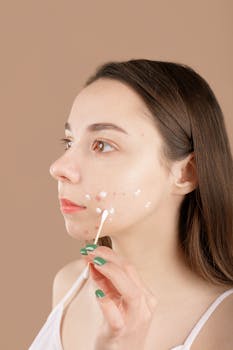
If you’ve ever dealt with stubborn acne that doesn’t respond to standard treatments, you might be wondering what is fungal acne. Although it resembles typical acne, it requires different management. Understanding this condition is crucial to finding relief and clearing your skin effectively.
What is Fungal Acne?
Fungal acne, medically known as Malassezia folliculitis or pityrosporum folliculitis, is a condition where yeast infects the hair follicles, causing acne-like eruptions. Unlike bacterial acne, which results from clogged pores with oil and dead skin cells, fungal acne is caused by an overgrowth of yeast. This yeast normally lives on our skin, but certain conditions can spur its excessive growth, leading to inflammation and bumps that resemble acne.
Recognizing the Signs: What Does Fungal Acne Look Like?
Identifying fungal acne can be tricky because it often looks like regular acne. However, there are telltale signs. Fungal acne typically appears as small, uniform bumps and is often itchy, affecting the forehead, chest, and back more than other areas. Unlike traditional acne, which varies in size and can include blackheads and nodules, fungal acne maintains a consistent appearance.
Causes and Triggers of Fungal Acne
This condition can be triggered by a variety of factors. Prolonged exposure to warm, humid environments can promote fungal growth. Wearing sweaty clothes for extended periods can also exacerbate the issue. Additionally, using antibiotics long-term can disrupt your skin’s natural balance, allowing yeast to thrive.
Self-Management and Treatment Options
Once you’ve recognized you might be dealing with fungal acne, there are several steps you can take to manage it. Over-the-counter antifungal treatments, like shampoos containing ketoconazole, can often be effective. Maintaining good skin hygiene and wearing breathable clothing can also help manage the condition. However, if these approaches don’t work, it might be time to see a healthcare professional.
When to Seek Care
If your symptoms persist despite over-the-counter treatments, or if your condition worsens, it’s advisable to consult a dermatologist. They can provide a definitive diagnosis and tailor a treatment plan to your needs. Persistent or worsening symptoms may indicate the need for prescription antifungal medications or further investigation into underlying causes.
Can Lifestyle Changes Help?
Indeed, lifestyle adjustments can significantly impact your skin health. Adopting a healthy diet, managing stress, and ensuring you shower promptly after intense workouts can all help. For more tips, you might want to read about how lifestyle choices impact our overall health.
Takeaways
- Fungal acne is caused by a yeast overgrowth in hair follicles.
- It often appears as itchy, small, uniform bumps.
- Antifungal treatments and lifestyle changes can help manage symptoms.
- Consult a dermatologist if over-the-counter remedies fail.
- Addressing lifestyle factors can aid in management.
Common Questions
What causes fungal acne?
Fungal acne is primarily caused by an overgrowth of yeast that naturally lives on the skin. Factors like excessive sweating, hot and humid climates, and prolonged antibiotic use can promote this overgrowth.
How is fungal acne treated?
Fungal acne is treated with antifungal medications, either topical or oral, depending on the severity. Over-the-counter antifungal shampoos and creams can be effective for mild cases.
When should I see a doctor?
You should consult a dermatologist if over-the-counter treatments are ineffective or if symptoms persist or worsen. A doctor can offer guidance on suitable prescription treatments and rule out other skin conditions.
How can I differentiate between fungal acne and regular acne?
Fungal acne typically consists of small, itchy, uniform bumps, whereas regular acne can vary in size and type. Fungal acne is also often persistent and non-responsive to standard acne treatments.
Can lifestyle changes prevent fungal acne?
Yes, making changes like wearing breathable fabrics, showering after sweating, and maintaining a balanced diet may help prevent outbreaks and support overall skin health.
Understanding what is fungal acne can be the key to clearer skin. Identifying the symptoms and triggers will enable you to take the right steps towards effective management and treatment. For more information, you can explore this general resource about health: https://en.wikipedia.org/wiki/Health.
Other Articles You May Find of Interest...
- How Lifestyle and Personal Goals Can Shape Your Breast Augmentation Choices
- The Most Popular Cosmetic Treatments by Age Group
- What Makes a HydraFacial Treatment Professional?
- Botox vs Dysport vs Xeomin: Which Neuromodulator Is Right for You?
- Understanding PDRN Therapy: The Science Behind Skin Barrier Repair and Tissue Regeneration
- Who Is a Suitable Candidate for Breast Augmentation?
- Peptides vs Retinoids for Sensitive Skin: Why Matrixyl 3000 and CoQ10 Are Changing the Conversation





