






Fairlington Dental
Fairlington Dental
4850 31st Street
Suite A
Arlington, VA 22206
703-671-1001
More Sleep Apnea Articles
Mandibular Advancement Appliances vs CPAP: Choosing the Right Approach for Better Sleep
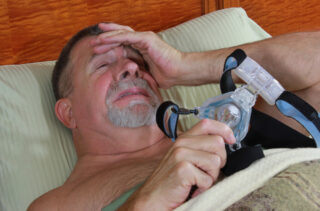
Sleep is essential for overall health, yet many people struggle with disrupted breathing at night due to sleep apnea. Two of the most common treatment options are CPAP therapy and mandibular advancement appliances. While both are designed to improve airflow and support better sleep, they work in very different ways. Understanding these differences can help you make a more informed decision about your care.
What Is CPAP Therapy
CPAP, or continuous positive airway pressure, uses a machine to deliver a steady stream of air through a mask worn during sleep. This air pressure helps keep the airway open, preventing pauses in breathing that occur with sleep apnea.
CPAP is often considered the standard treatment because of its effectiveness in reducing breathing interruptions. However, some patients find it difficult to tolerate wearing a mask or sleeping with a machine.
What Are Mandibular Advancement Appliances
Mandibular advancement appliances are custom dental devices worn in the mouth during sleep. They work by gently moving the lower jaw forward, which helps keep the airway open and reduces obstruction.
By repositioning the jaw and tongue, these appliances create more space in the airway, allowing for improved breathing throughout the night. They are commonly recommended for mild to moderate sleep apnea or for patients who cannot tolerate CPAP therapy.
Comparing Effectiveness and Comfort
Both CPAP and mandibular advancement appliances are effective, but they offer different advantages.
CPAP is highly effective at keeping the airway open and is often recommended for more severe cases of sleep apnea.
Mandibular advancement appliances, while sometimes slightly less effective in clinical measurements, are often easier to wear and more comfortable for many patients. Because of this, patients are more likely to use them consistently, which plays an important role in overall treatment success.
Which Option Is Right for You
The best treatment depends on your specific needs, the severity of your condition, and how well you tolerate each option. Some patients benefit most from CPAP, while others achieve excellent results with a custom oral appliance.
If CPAP feels uncomfortable or difficult to maintain, a mandibular advancement appliance may provide a more manageable and consistent solution. On the other hand, patients with more advanced sleep apnea may require CPAP to achieve optimal results.
Sleep Apnea Care at Fairlington Dental
At Fairlington Dental, we take a personalized approach to sleep apnea treatment. Our goal is to find a solution that not only improves your breathing but also fits comfortably into your daily life.
For many patients, mandibular advancement appliances offer an effective and convenient alternative to CPAP. These custom devices are designed specifically for your mouth, ensuring a comfortable fit while supporting proper airway function.
By understanding your symptoms, lifestyle, and overall health, we can guide you toward the treatment that helps you sleep better, feel more rested, and protect your long term health.
Better sleep starts with the right solution. With the right guidance and care, you can find an approach that works for you and supports lasting wellness.
Other Articles You May Find of Interest...
- Mandibular Advancement Appliances vs CPAP: Choosing the Right Approach for Better Sleep
- Revolutionizing Sleep Health with Zepbound for Sleep Apnea
- Optimal BiPAP Settings for Better Sleep and Respiratory Health
- The Silent Connection: How Sleep Apnea Affects Your Heart, Brain, and Metabolism
- Unlocking the Secrets of ICD 10 Sleep Apnea Codes
- Is Sleep Apnea Hereditary and What You Need to Know?
- Improving Sleep Hygiene to Manage Sleep Apnea Effectively




