






More Medication Articles
Converting Milliliters to Milligrams: A Simple Guide for Medicine Dosages
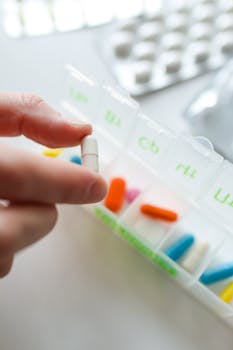
Imagine you’re at the pharmacy, picking up medicine for a lingering cough. The instruction reads, “Take 5 ml daily.” You wonder, “ml is how many mg? Is 5 ml equivalent to 5 mg?” Rest assured, you’re not alone in your confusion. This guide is here to break down the conversion from milliliters to milligrams, crucial for medication dosages and other everyday applications.
Understanding ml to mg Conversion
The primary question is how to accurately convert ml to mg. The conversion isn’t straightforward because ml (milliliters) measures volume while mg (milligrams) measures mass. To convert, you must know the substance’s density. In medications, the concentration (e.g., mg per ml) is usually specified. For example, if a liquid medication states it contains 10 mg per 1 ml, then 5 ml will equal 50 mg of the active drug.
When to Seek Care
If you’re uncertain about a dosage, the best course of action is to consult a healthcare provider. A pharmacist is an excellent resource for understanding and clarifying medication dosages. They can help ensure that you’re administering the right amount of medicine and can advise on possible side effects. If you experience adverse reactions after taking a medication, or if symptoms persist despite taking the drug, it’s crucial to seek medical advice from your doctor.
Real-Life Implications of Incorrect Dosages
Miscalculating medicine dosage could significantly affect your health. For some individuals, such errors might be harmless; for others, it may lead to ineffective treatment or even overdose. In daily life, this can impact your recovery time, turn minor ailments into major issues, or lead to potentially harmful side effects.
Things to Remember Before Changing Medication Dosages
Before altering any medication dosage, it’s important to consult with a doctor. Here are some practical questions and considerations:
- Should you stop one medication before starting another? Always consult your doctor, as some medicines interact negatively when taken together.
- Can side effects change if you alter the dosage? Adjusting doses may result in new side effects, so monitor your body’s response closely.
- What are signs the dosage is wrong? If you notice unexpected side effects or no improvement in symptoms, it’s crucial to reevaluate with your healthcare provider.
The Role of Healthcare Providers in Medication Management
Your healthcare provider is a critical partner in managing your medication dosages effectively. They can offer personalized advice based on your health history and current condition. Never hesitate to reach out with questions about your dosage, how to convert measurements, or if you find the instructions unclear. Their expertise ensures your treatment is safe and effective. Learn more about balancing nutrition and medication with these hidden causes and effective approaches to health management.
Common Questions
When should I see a doctor about my medicine dosage?
If you’re unclear about dosage instructions or experience adverse effects such as dizziness, severe headaches, or allergies, consult your doctor immediately.
What type of healthcare provider can help with dosage conversions?
Pharmacists and general practitioners can assist in calculating the correct dosage and ensure you’re following the medication guidelines accurately.
How common is it to miscalculate medication dosages?
It’s relatively common, especially with liquid dosages where conversions are needed. Always double-check calculations or consult a pharmacist.
What are some general tips for handling medications safely?
Maintain an up-to-date list of all medications you’re taking, inform your doctor about any over-the-counter drugs or supplements you use, and follow the instructions provided by healthcare providers meticulously.
What should I ask my doctor before changing a medicine dosage?
Ask how the change might affect your current symptoms, any alternative treatment options, and what side effects to look out for during the transition.
Unsure about general health and medication interactions? Visit Wikipedia’s health page for more information.
- Conversions between ml and mg require knowing the substance’s density or concentration.
- Always confirm dosages with a healthcare provider, especially when uncertain.
- Miscalculations in dosage can lead to ineffective treatment or dangerous side effects.
- Healthcare professionals, such as pharmacists, are valuable resources for dosage advice.
Comprehending how ml converts to mg can streamline the management of your medications and support better health outcomes. Always prioritize consulting with healthcare professionals to verify your dosages and maintain your well-being.
Other Articles You May Find of Interest...
- Does Semaglutide Expire and How to Safely Store It?
- Converting Milliliters to Milligrams: A Simple Guide for Medicine Dosages
- How Long Before Blood Pressure Medication Starts Working?
- Are Advil and Ibuprofen the Same Pain Reliever?
- Methylphenidate Duration: How Long Does It Last in Your System?
- Are You Aware of the Potential Cholestyramine Side Effects?
- Essential Guide to Cefdinir Dosage for Effective Treatment




