






More Cancer Awareness Articles
The Importance of Monitoring Your Blood Oxygen Levels
Imagine climbing a flight of stairs and finding yourself unusually breathless. Or perhaps you’ve just recovered from an illness and can’t shake the feeling that you’re not breathing as easily as before. Monitoring your blood oxygen levels, often measured as sao2, can provide crucial insights into your respiratory health and overall well-being. Understanding sao2 can be vital for those with chronic conditions, athletes, or anyone wanting to keep a closer eye on their health.
Why Monitoring Oxygen Levels Matters
Oxygen is essential for the body’s functions. Without adequate levels, our organs and tissues can suffer, leading to fatigue, dizziness, or more severe complications. Sao2 is a measure of the amount of oxygen carried by hemoglobin in the blood. Normal sao2 values typically range from 95% to 100%, indicating healthy oxygen levels.
People with certain health conditions, such as chronic obstructive pulmonary disease (COPD) or sleep apnea, may need to monitor their sao2 regularly. Even those without chronic illnesses might find measuring their sao2 useful, especially if they experience sudden symptoms like shortness of breath or chest discomfort.
Using Technology for Monitoring
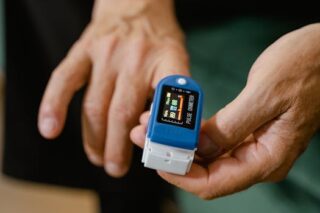
Thanks to technological advancements, tools for measuring oxygen saturation are more accessible. Pulse oximeters, small devices placed on a fingertip, can quickly provide an sao2 reading, making them popular for home use. Furthermore, many smartwatches and fitness trackers now include built-in oxygen level tracking, integrating health monitoring into everyday tech.
However, it’s important to use these devices correctly to ensure accurate readings. Ensure your hands are warm, still, and relaxed during measurements. Avoid doing these readings when moving or immediately after physical activity, as this could affect the result.
How Lifestyle Affects Oxygen Levels
Your lifestyle choices can significantly impact your sao2 levels. Factors like smoking, poor diet, and lack of exercise can decrease lung capacity and oxygen efficiency. Conversely, making healthier lifestyle changes can enhance overall oxygen circulation in the body. To learn more about the connection, visit this article on lifestyle impacts.
Eating a balanced diet rich in antioxidants and engaging in regular cardiovascular exercise can improve lung function and help maintain optimal oxygen levels. Hydration is also crucial as it helps the blood transport oxygen more effectively.
Sao2 in Different Populations
Athletes often strive to optimize their sao2 levels to enhance performance and recovery. High altitudes or rigorous training can demand increased oxygen, so monitoring sao2 can become a part of training routines. For them, maintaining sao2 within a healthy range can be as critical as improving speed or strength.
Elderly individuals or those with chronic health issues may also benefit from regular sao2 checks. As we age, our respiratory efficiency potentially decreases, posing a higher risk for oxygen-related complications.
When to Seek Care
If you frequently experience symptoms such as extreme breathlessness, chest pain, or a sudden drop in sao2 levels, it’s crucial to consult a healthcare provider. These could indicate an underlying condition requiring medical evaluation or treatment.
Pulmonologists, specialists in lung health, are well-equipped to assess and manage concerns related to oxygen levels. A primary care provider can also guide when to see a specialist or how to incorporate oxygen level monitoring into a regular health routine.
Questions About Medications and Oxygen
Understanding how medications interact with sao2 levels is essential. Some medications may impact respiratory function or affect oxygen absorption indirectly.
If you’re starting a new medication or treatment and notice your sao2 levels change, consult with your healthcare provider. They can help determine if dosage adjustments are needed or explore alternative treatments if necessary.
It’s also important to ask whether any activities or substances should be avoided to prevent interference with your medication or oxygen levels.
External Resources
For a comprehensive overview of blood oxygen levels and related health topics, visit Mayo Clinic.
Always remember, individual results can vary, and consulting with a healthcare provider ensures the most personalized guidance.
- Monitor your sao2 levels regularly, especially if you have respiratory issues.
- Utilize technology like pulse oximeters for convenient at-home checks.
- Consider lifestyle changes such as diet and exercise to support healthy lung function.
- Consult healthcare professionals if you experience significant changes in your symptoms or sao2 readings.
- Stay informed about medication interactions and respiratory health.
Common Questions
What symptoms indicate I should see a doctor about my oxygen levels?
If you experience persistent breathlessness, fatigue, or chest pain alongside low sao2 readings, it’s essential to seek medical attention.
Who treats conditions related to oxygen levels?
Pulmonologists specialize in lung health and are the primary doctors to consult for oxygen level concerns. Primary care providers can also offer initial evaluations and refer specialists as needed.
Are there ways to naturally improve oxygen levels?
Yes, maintaining a healthy lifestyle with balanced nutrition, regular cardiovascular exercise, and avoiding smoking can improve oxygen efficiency and circulation.
Can medications affect my sao2 readings?
Some medications might impact respiratory function. It’s important to discuss any concerns with your healthcare provider, who can guide you on managing such effects.
How often should I check my sao2 if I’m healthy?
For healthy individuals without chronic conditions, checking sao2 during exercise or at high altitudes is sufficient. Those with respiratory issues may need to monitor more frequently.
Other Articles You May Find of Interest...
- The Importance of Monitoring Your Blood Oxygen Levels
- Is Your Triglyceride to HDL Ratio a Hidden Indicator of Heart Health?
- Navigating the Challenges of Metastatic Breast Cancer: What the ICD-10 Code Means for Patients
- Exploring the Impact of Spindle Cell Neoplasm on Health and Treatment Options
- The Surprising Health Benefits of Bone Marrow
- Unlocking the Secrets of the LDH Blood Test and Its Health Implications
- What Is the Alpha Fetoprotein Test and Why Is It Important for Your Health?




