






Your Health Magazine
4201 Northview Drive
Suite #102
Bowie, MD 20716
301-805-6805
More Weight Control, Nutrition & Exercise Articles
The Role of Protein in a Healthy Lifestyle: A Complete Guide
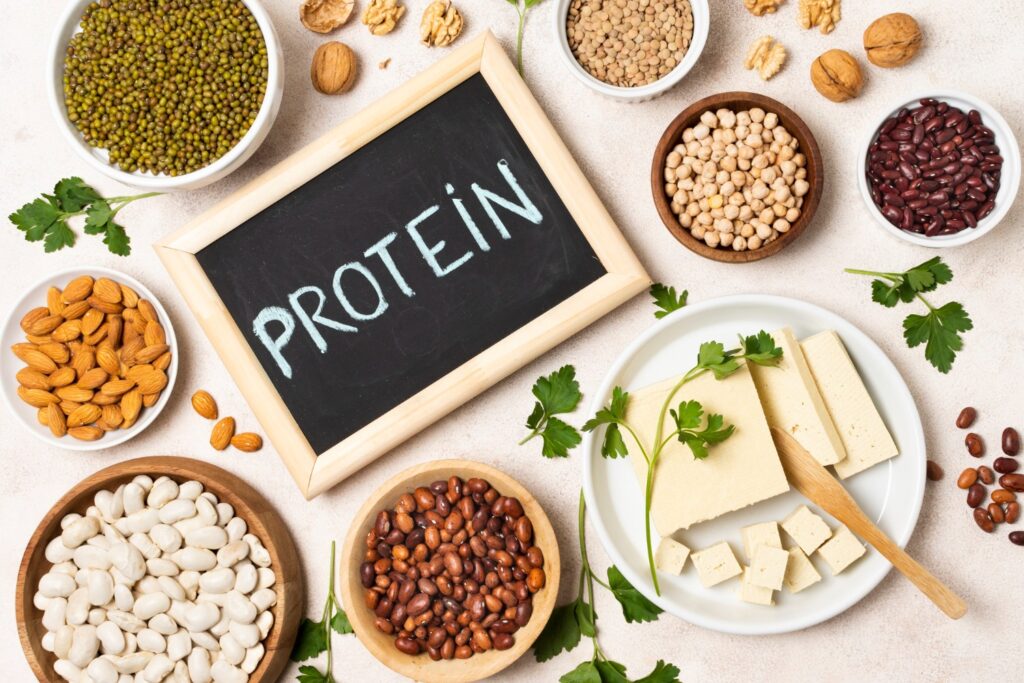
Every day, the body relies on protein just like a car depends on fuel. From building muscle to staying energized, it plays a quiet yet steady role behind the scenes. People focused on fitness often track intake closely – though many others benefit without realizing it. Once mostly linked to gym routines, its value now reaches far beyond exercise circles. Even those not chasing goals find their health shifting when levels change.
What Is Protein and Why Is It Important?
A single thing keeps cells running – that is, protein, built from amino acids. They fix damaged parts, plus create messengers like enzymes and hormones. When movement stresses the body, recovery leans on these components more than carbs or fat ever do. Tissue rebuilds itself because of their presence during healing.
Most folks think of protein like a battery pack, but that is not how it works. Instead of saving extra amounts, the system uses what it needs right away. Skipping meals means missing chances to keep things running smoothly. Think about daily tasks like repairing tissue or growing stronger after effort. Even small jobs, such as keeping your scalp healthy or nails firm, rely on a consistent supply. Without steady help from food, these processes slow down.
Daily Protein Requirements
Protein needs shift based on things like how old you are, whether you’re male or female, how much you move each day, plus general well-being. About 0.8 grams per kilogram of body mass tends to cover most grown-ups just living their normal lives. Yet when someone pushes through workouts or lifts weights often, the needed amount jumps quite high.
Working out hard means muscles need extra fuel, so many active people eat more protein. When years add up, bodies change – keeping strength around often needs a boost from protein too.
Natural Sources of Protein
A balanced diet should include a variety of protein-rich foods. Some of the best natural sources include:
- Lean meats such as chicken and turkey
- Fish like salmon and tuna
- Eggs, which provide complete protein
- Dairy products such as milk, yogurt, and cheese
- Plant-based options like lentils, beans, chickpeas, and tofu
Including a mix of these foods ensures that you get a wide range of essential amino acids. Plant-based diets can also meet protein needs when properly planned, combining different sources like grains and legumes.
The Rise of Protein Supplements
Most people struggle to get enough protein just from meals. That explains why more folks turn to extra help now. Shakes, bars, or powdered mixes show up everywhere. Each form fits different habits without forcing change.
When it comes to quick protein, many turn to powder simply because it fits easily into different meals. Shaking it with water works just fine, though some prefer blending it into a morning smoothie instead. A bowl of pancake mix might include it, or even a batch of muffins cooling on the rack. Milk brings out a richer texture, while water keeps things light and fast. Many individuals turn to options such as protein powder from MAX’s as part of their routine, especially when managing time constraints or specific dietary goals.
Benefits of Adequate Protein Intake
Consuming enough protein offers numerous health benefits, including:
1. Muscle Growth and Repair
Protein supports the repair of muscle tissues after exercise. This is particularly important for individuals involved in resistance training or high-intensity workouts.
2. Weight Management
Protein helps increase satiety, meaning you feel full for longer periods. This can reduce overall calorie intake and support weight loss or maintenance.
3. Improved Metabolism
The body uses more energy to digest protein compared to fats and carbohydrates. This process, known as the thermic effect of food, can slightly boost metabolism.
4. Stronger Immune System
Proteins are essential for the production of antibodies, which help the body fight infections and diseases.
5. Better Bone Health
Adequate protein intake contributes to maintaining bone density, reducing the risk of fractures and osteoporosis over time.
Choosing the Right Protein Option
When deciding how to meet your protein needs, it is important to focus on quality and balance. Whole foods should always be the primary source of nutrients, as they provide vitamins, minerals, and fiber alongside protein.
However, supplements can be a useful addition when used appropriately. When selecting a protein powder, consider factors such as:
- Ingredient quality
- Protein content per serving
- Sugar and additive levels
- Dietary preferences (e.g., plant-based, lactose-free)
Reading labels and understanding your nutritional requirements can help you make informed choices.
Common Myths About Protein
There are several misconceptions surrounding protein intake that often lead to confusion:
Myth 1: More Protein Is Always Better
While protein is important, excessive intake does not necessarily lead to better results. Balance is key.
Myth 2: Protein Is Only for Athletes
Protein is essential for everyone, not just those who exercise regularly. It supports basic bodily functions for all individuals.
Myth 3: Plant-Based Protein Is Incomplete
Although some plant proteins lack certain amino acids, combining different sources can provide complete nutrition.
Practical Tips to Increase Protein Intake
If you are looking to improve your protein consumption, here are some simple strategies:
- Start your day with a protein-rich breakfast like eggs or yogurt
- Add legumes or beans to your meals
- Snack on nuts, seeds, or protein bars
- Include a protein source in every meal
- Use protein supplements when necessary for convenience
Making small adjustments to your diet can have a lasting impact on your overall health.
Final Thoughts
Every day, your body relies on protein just to keep going. Not only does it help muscles grow, but it also keeps systems inside you working right. Though meals made from real ingredients come first, powders or pills might fill gaps – when chosen carefully. What matters most is how you use them.
A single choice at breakfast might shape how much protein feels right later. When movement matters most, meals adjust without effort. Goals shift day by day – nutrition follows quietly. Some days strength matters, others recovery does. Each meal becomes a quiet step toward what comes next. Balance isn’t fixed – it moves like hunger does.
Other Articles You May Find of Interest...
- Stress-Driven Convenience Eating and Its Impact on Our Health
- Can Paroxetine Affect Your Weight and Cause Weight Loss?
- Mounjaro vs Ozempic: What Dubai Patients Should Know
- The Nutrients Most Glp-1 Patients Are Deficient in
- Research These 3 Weight Loss Facts Before You Start Another Diet
- Nutritional Strategies for Maintaining Bone Density and Muscle Mass
- Does Trileptal Lead to Weight Gain? Exploring the Connection



