More Women's Health & Beauty Articles
Managing Period Cramps During Pregnancy in the Third Trimester: What You Need to Know
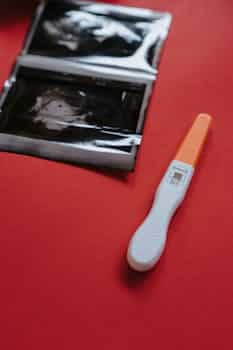
If you’re in the third trimester of pregnancy, experiencing something akin to period cramps can be unsettling. While mild discomfort can be expected, it’s important to discern when these cramps could be a sign of something more significant.
Period Cramps During Pregnancy Third Trimester
During the final stretch of pregnancy, the body goes through numerous changes that can result in sensations similar to period cramps. These cramps may be caused by the stretching of the uterus, preparing for labor, or even constipation. It’s crucial to listen to your body and understand these pains.
Common Causes of Cramps in the Third Trimester
While many factors might lead to cramping, some common ones in the third trimester include Braxton Hicks contractions, which are often irregular and infrequent, and the stretching of ligaments as the uterus expands. These changes can cause discomfort that feels much like menstrual cramps.
Managing Discomfort at Home
For mild cramping, there are several strategies that might help you find relief. Staying hydrated is crucial, as dehydration can trigger contractions. Gentle exercise, like prenatal yoga, may also relieve some tension. Applying a warm compress to the area can soothe aches.
When to Seek Care
If you notice cramps that are persistent, severe, or accompanied by bleeding or a change in fetal movement, it’s time to consult a healthcare professional. Obstetricians and midwives are trained to evaluate such symptoms and ensure both your safety and the baby’s. Always err on the side of caution and reach out if something feels off.
Understanding Potential Complications
Sometimes, cramps can be a sign of preterm labor or placental issues. It’s essential to distinguish between benign cramps and symptoms that require medical attention. Your healthcare provider can perform appropriate tests to alleviate concerns and provide guidance.
Everyday Impacts
Cramps can interfere with daily activities, making it difficult to get a good night’s sleep or maintain your usual energy levels. Resting when needed and avoiding standing for long periods may help mitigate some cramp-related challenges. Being understanding of your body’s limitations can make a significant difference in how you cope.
Practical Considerations Regarding Pain Relief Options
While considering pain relief, it’s critical to discuss options with your healthcare provider first. Over-the-counter medications might not be safe during pregnancy, and it’s vital to ensure any treatment does not conflict with your prenatal care. Some studies suggest limited use of specific pain relievers may help, but always seek professional advice to determine the best approach.
Common Questions
Is it normal to have cramps during the third trimester?
Yes, mild cramping can be normal due to various physiological changes. However, always monitor the severity and duration.
What can help alleviate third-trimester cramps?
Staying hydrated, doing gentle exercises, and applying warm compresses can provide relief. Consult your healthcare provider for advice tailored to your needs.
When should I contact my healthcare provider about cramps?
If the cramps are severe, persistent, or accompanied by other symptoms like bleeding, it’s time to contact your obstetrician or midwife.
What type of provider should I see for third-trimester cramping?
An obstetrician or a certified midwife is typically well-equipped to handle pregnancy-related concerns, including cramping.
Could third-trimester cramps affect my daily activities?
Yes, they might. Ensuring you have ample rest and avoiding strenuous activities can help mitigate the effects on your daily routine.
Further Reading
For more information on managing pregnancy-related discomfort, you might find our Beyond Fertility Part 2 article insightful.
For comprehensive details on pregnancy health, you can visit Mayo Clinic’s website.
- Cramping in the third trimester can be normal, but always pay attention to the severity.
- Hydration and gentle exercise can help alleviate discomfort.
- Consult your healthcare provider if cramps are severe or accompanied by other symptoms.
- Obstetricians and midwives can provide specialized care for pregnancy-related concerns.
- Cramping can impact daily life, so plan for rest and gentle activity.
Other Articles You May Find of Interest...
- The Science Of Firmer, More Radiant Skin
- How Acupuncture Supports Women’s Health
- Women and Gorgeous Smiles
- The Forgotten Pillar Of Total Wellness
- Menopause at Work: Why Women’s Health Is Becoming a Workplace Issue
- Heavy Menstrual Bleeding: Common Causes, Warning Signs and When to See a Gynecologist
- Low Albumin During Pregnancy: Common Causes and When It Matters