






Your Health Magazine
4201 Northview Drive
Suite #102
Bowie, MD 20716
301-805-6805
More Dental Health Articles
How Dental Nutrition Supplements Support Strong Teeth And Gums

The American Dental Association reports that nearly 50% of adults over 30 show signs of gum disease, yet most people don’t realize their diet might be missing critical nutrients that could help prevent these problems. As preventive dentistry evolves beyond traditional brushing and flossing, oral health supplements have emerged as a targeted approach to supporting the biological processes that maintain strong teeth and healthy gums. The science behind these supplements reveals a complex interplay between nutrition and oral health that goes far deeper than surface-level cavity prevention.
For millions of people dealing with recurring dental issues despite good hygiene habits, understanding how specific nutrients work at the cellular level offers new possibilities for intervention. The research connecting nutritional deficiencies to oral health problems continues to expand, revealing that what we consume can either support or undermine our mouth’s natural defense mechanisms. This emerging field bridges the gap between general nutrition and targeted oral care, offering evidence-based strategies for maintaining dental health from the inside out.
How Oral Health Supplements Work in the Body
When you take an oral health supplement, the nutrients don’t travel directly to your teeth and gums — they enter a sophisticated biological pathway that affects oral tissues through systemic processes. After absorption in the digestive tract, these nutrients travel through the bloodstream to reach the periodontal tissues, tooth-supporting structures, and salivary glands that play crucial roles in oral health maintenance.
The bioavailability of these nutrients varies significantly based on several factors. Fat-soluble vitamins like A, D, and K require dietary fats for optimal absorption, while water-soluble vitamins like C are more readily absorbed but also more quickly eliminated from the body. This difference explains why some supplements recommend taking them with meals while others work best on an empty stomach.
Consider someone taking calcium supplements to support tooth enamel strength. The calcium doesn’t simply “stick” to teeth — it must first be absorbed through the intestinal wall, transported via the bloodstream, and then incorporated into ongoing processes of tooth mineralization and bone remodeling in the jaw. Without adequate vitamin D to facilitate calcium absorption, or magnesium to support calcium utilization, even high-dose calcium supplements may provide limited benefit.
The oral cavity itself presents unique challenges for nutrient delivery. Saliva serves as the primary medium through which many nutrients reach tooth surfaces, but saliva production and composition can be affected by medications, stress, and underlying health conditions. This is why some oral health supplements include ingredients specifically designed to support healthy saliva production, creating a more favorable environment for the nutrients to function effectively.
The timeline for seeing results from oral health supplements typically ranges from several weeks to several months, reflecting the time needed for cellular turnover in gum tissues and the gradual process of tooth remineralization. Understanding these biological mechanisms helps explain why consistency matters more than dosage when it comes to long-term oral health support.
Key Ingredients and Their Roles in Oral Health
The most effective oral health supplements combine multiple nutrients that work synergistically to support different aspects of dental health. Rather than focusing on single vitamins, research increasingly points toward comprehensive formulations that address the complex nutritional needs of oral tissues.
Vitamins and Minerals
Vitamin C functions as a critical cofactor in collagen synthesis, directly affecting the structural integrity of gum tissues. The body cannot produce vitamin C on its own, making dietary intake essential for maintaining the connective tissues that hold teeth in place. Deficiency in vitamin C leads to weakened capillaries in the gums, increased bleeding, and slower healing after dental procedures.
Vitamin D works primarily by enhancing calcium absorption and supporting immune function in the oral cavity. Recent research has revealed that vitamin D receptors exist throughout periodontal tissues, suggesting this nutrient plays a more direct role in gum health than previously understood. People with adequate vitamin D levels show lower rates of tooth loss and reduced severity of periodontal disease.
Calcium and phosphorus work together in a delicate balance to support tooth enamel integrity. These minerals participate in the constant process of demineralization and remineralization that occurs in teeth throughout life. However, calcium supplementation alone can disrupt this balance if not accompanied by appropriate ratios of phosphorus and magnesium.
Vitamin K2 has emerged as a crucial but often overlooked nutrient for oral health. Unlike vitamin K1, which primarily supports blood clotting, K2 activates proteins that direct calcium to appropriate locations in the body, including teeth and jaw bones. This targeting function helps prevent calcium from accumulating in soft tissues while ensuring adequate mineralization of hard tissues.
Probiotics and Antioxidants
The oral microbiome contains over 700 different bacterial species, and maintaining the right balance between beneficial and harmful bacteria directly impacts gum health and tooth decay risk. Probiotic supplements specifically formulated for oral health contain strains like Lactobacillus reuteri and Streptococcus salivarius that can colonize the mouth and compete with pathogenic bacteria for resources and adhesion sites.
Antioxidants including coenzyme Q10, green tea extract, and vitamin E help neutralize free radicals produced during inflammatory processes in the gums. Chronic inflammation is a hallmark of periodontal disease, and oxidative stress can accelerate tissue damage. These compounds support the body’s natural healing processes and may help reduce the progression of existing gum disease.
The emerging research on natural supplements for healthier teeth demonstrates how specific combinations of these nutrients can address multiple aspects of oral health simultaneously, from enamel strength to gum inflammation management.
Oral Health Supplements and Gum Disease Management
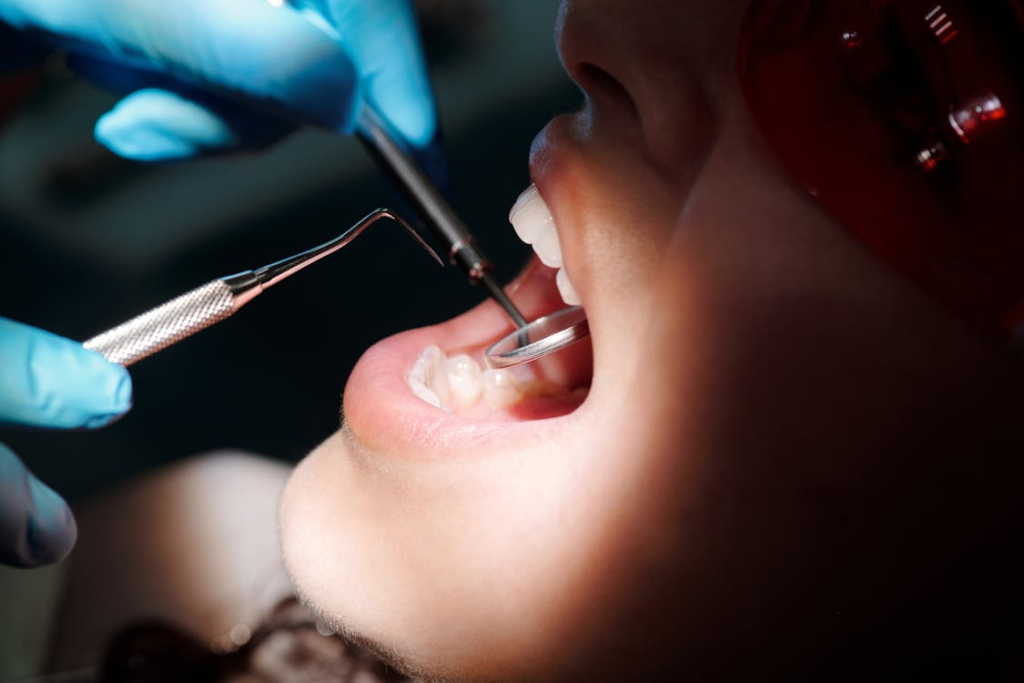
Periodontal disease represents one of the most common chronic inflammatory conditions worldwide, affecting the tissues that support teeth. While mechanical plaque removal through brushing and flossing remains the cornerstone of prevention, targeted nutrition can significantly influence the inflammatory processes that drive disease progression.
The inflammatory cascade in gum disease begins when bacterial toxins penetrate below the gum line, triggering an immune response that, if left unchecked, can destroy the tissues and bone supporting teeth. Certain nutrients help modulate this inflammatory response, potentially slowing or reversing early stages of periodontal disease.
Omega-3 fatty acids, particularly EPA and DHA, have shown promising results in clinical studies for reducing gum inflammation. These compounds compete with inflammatory omega-6 fatty acids in cellular processes, shifting the balance toward resolution of inflammation rather than perpetuation. People taking omega-3 supplements often show reduced bleeding on probing and improved clinical attachment levels during periodontal therapy.
Coenzyme Q10 has demonstrated particular effectiveness for gum health. This antioxidant compound is naturally present in high concentrations in gum tissues, but levels decline with age and disease. Supplementation with CoQ10 can improve oxygen utilization in periodontal tissues and support cellular energy production needed for healing and tissue repair.
The timing of supplement intervention matters significantly in gum disease management. Early-stage gingivitis may respond well to nutritional support alone, while advanced periodontitis requires professional treatment combined with supplementation. Some dental practices now incorporate nutritional assessments and supplement recommendations as part of comprehensive periodontal therapy protocols.
Research suggests that people who maintain consistent supplement routines during and after periodontal treatment show better long-term outcomes, including reduced pocket depths and slower disease recurrence. However, supplements work best as part of an integrated approach that includes proper oral hygiene and regular professional care.
Safety, Dosage, and Common Misconceptions
The safety profile of most oral health supplements is generally favorable, but several important considerations affect both effectiveness and potential risks. Unlike prescription medications, dietary supplements are not subject to the same rigorous testing requirements, making quality control and appropriate dosing particularly important.
Fat-soluble vitamins (A, D, E, K) can accumulate in body tissues and potentially reach toxic levels with excessive intake. Vitamin A toxicity, while rare, can actually contribute to bone loss and affect oral tissues negatively. Most experts recommend staying within established upper limits and working with healthcare providers when taking high-dose fat-soluble vitamins long-term.
Mineral interactions present another area of concern. High doses of calcium can interfere with iron, zinc, and magnesium absorption, while excessive zinc intake can affect copper status. Iron supplements, commonly taken for anemia, can stain teeth if liquid formulations come into contact with enamel surfaces.
One persistent misconception suggests that taking more vitamins will produce faster or better results. In reality, the body can only utilize nutrients at specific rates, and excess amounts are either excreted or stored, sometimes creating imbalances. The optimal approach involves meeting recommended daily allowances through a combination of diet and targeted supplementation rather than megadosing individual nutrients.
Another common myth claims that supplements can replace good oral hygiene practices. While nutritional support can enhance the body’s ability to maintain healthy oral tissues, no supplement can compensate for poor plaque control or irregular dental care. The most effective outcomes occur when supplements complement, rather than substitute for, proven preventive practices.
Drug interactions require careful consideration, particularly for people taking blood thinners, diabetes medications, or immunosuppressive drugs. Vitamin K can affect anticoagulant medications, while high-dose vitamin C may interfere with certain medical tests. Anyone with chronic health conditions or taking multiple medications should consult with both their physician and dentist before starting oral health supplements.
The regulatory landscape for supplements continues to evolve, with increasing emphasis on third-party testing and quality verification. Choosing products with USP (United States Pharmacopeia) verification or NSF certification helps ensure that supplements contain the stated ingredients in appropriate amounts without harmful contaminants.
Future Directions and Research on Oral Health Supplements
The field of nutritional oral health is experiencing rapid growth, with researchers investigating novel compounds and delivery methods that could transform preventive dental care. Current clinical trials are exploring everything from targeted probiotic therapies to nanotechnology-based mineral delivery systems.
Personalized nutrition represents one of the most promising frontiers. Genetic testing can now identify variations in how individuals metabolize specific nutrients, potentially allowing for customized supplement recommendations based on individual genetic profiles. Early studies suggest that people with certain genetic variants may require higher doses of particular vitamins to achieve optimal oral health benefits.
Micronutrient testing is becoming more sophisticated and accessible, enabling practitioners to identify specific deficiencies that might contribute to oral health problems. Rather than using one-size-fits-all supplement protocols, future approaches may involve targeted interventions based on individual nutritional status and risk factors.
The development of sustained-release and targeted delivery systems could significantly improve supplement effectiveness. Researchers are working on formulations that release nutrients slowly throughout the day, maintaining more consistent blood levels, and specialized coatings that help nutrients survive stomach acid to reach the small intestine where absorption occurs.
Bioactive compounds from natural sources continue to yield promising results in laboratory and preliminary human studies. Compounds from green tea, cranberries, and various herbs show potential for supporting oral health through multiple mechanisms, from antimicrobial activity to anti-inflammatory effects.
As our understanding of the oral-systemic health connection deepens, oral health supplements may evolve to address broader health concerns beyond just teeth and gums. The mouth serves as a gateway to the body, and maintaining oral health through targeted nutrition could have far-reaching implications for overall wellness. Future supplement formulations will likely reflect this more comprehensive understanding of how oral health connects to cardiovascular, immune, and metabolic health throughout the body.
Other Articles You May Find of Interest...
- 5 Best Toothpastes for Plaque Removal: Why Your Current Toothpaste Isn’t Cutting It
- How to Choose the Right Toothpaste for Your Family’s Dental Needs
- How to Choose the Right Dentist for Your Family in Toronto
- How Dental Nutrition Supplements Support Strong Teeth And Gums
- Braces Treatment Options and Their Benefits Explained
- How Cosmetic Dentistry in Naples Transforms Smiles and Confidence
- What to Do if You’re Missing a Tooth: Solutions and Health Impacts




