






More Heart Disease, Stroke and Diabetes Articles
The Essential Guide to POC Glucose Monitoring for Better Health Insights
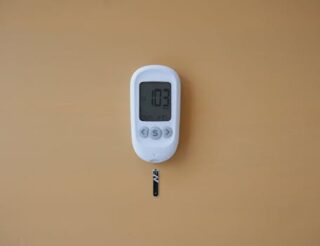
Imagine you’re managing your diabetes, diligently keeping tabs on your glucose levels. You’re likely familiar with the inconvenience of waiting for laboratory results. This is where point-of-care (POC) glucose monitoring steps in, offering quick and useful information right at your fingertips. POC glucose monitoring provides immediate insights, crucial for making timely decisions about diet, medication, or lifestyle changes.
Understanding POC Glucose Monitoring
Point-of-care glucose monitoring allows individuals to measure their blood sugar levels without needing to visit a lab. Whether you’re at home, work, or traveling, these devices provide flexibility and convenience. Often, POC devices are straightforward with digital interfaces, providing accurate readings in real-time. For many, this minimizes the guesswork in diabetes management and brings a sense of empowerment over their health.
Benefits of Using POC Devices
Unlike traditional lab tests, POC devices deliver immediate results. This can significantly improve your ability to manage diabetes effectively, allowing you to adjust insulin doses or consume carbohydrates based on current readings. For those new to these devices, a healthcare provider can offer initial guidance on usage and interpretation. Over time, familiarity with these devices can improve overall health literacy.
Moreover, for those pursuing weight control and efficient diabetes management, understanding glucose fluctuations is fundamental. It provides a clearer picture of how daily activities affect blood sugar, encouraging safer and more effective approaches to diet and exercise.
Challenges and Limitations
While POC glucose monitoring is advantageous, it has limitations. Accuracy can vary between devices, and external factors like ambient temperature or device calibration can impact readings. Ensuring the device is well-maintained and used under proper conditions is essential. Consulting with a certified diabetes educator can enhance your understanding of these devices and optimize your diabetes management strategy.
When to Seek Care
Self-monitoring with POC devices is beneficial, but certain situations warrant medical attention. If blood sugar levels frequently become too high or too low despite efforts to manage them, it’s time to consult a healthcare provider. Endocrinologists, specialists in managing diabetes and other endocrine disorders, can offer tailored advice and treatment adjustments. Symptoms like dizziness, confusion, or persistent fatigue should also prompt a visit to your doctor.
Managing Day-to-Day Diabetes Challenges
Diabetes management is a daily commitment that extends beyond glucose measurement. A balanced diet, regular physical activity, and medication adherence are key components. Individuals using POC glucose devices often find that real-time feedback aids in making more informed lifestyle choices. Recognizing patterns can support long-term health improvements and reduce the risk of complications.
Practical Tips for Using POC Devices
Before using a POC device, always wash your hands thoroughly to avoid contamination, which can skew results. Follow the manufacturer’s instructions for collecting and analyzing samples to ensure accuracy. Regularly check your device against a laboratory standard to maintain reliability. Engaging with support groups, either online or locally, can provide shared experiences and tips for optimal device use.
Evaluating Medication Adjustments
If POC readings indicate consistently irregular blood sugar levels, it might be time to discuss medication adjustments with your doctor. Understanding medication effects, potential interactions, and side effects is critical. Before making any changes, discuss symptoms that may indicate dose issues, like frequent hypoglycemia or hyperglycemia. Your doctor can help determine the best approach to modify your treatment regimen safely.
Common Questions
When should I consult my doctor about abnormal readings?
If you notice unusually high or low blood glucose levels that persist despite lifestyle and dietary changes, it’s advisable to consult your doctor. Consistent fluctuations, along with symptoms like dizziness or vision problems, should not be ignored.
What type of healthcare provider can assist with POC glucose monitoring?
An endocrinologist specializes in diabetes management and can provide comprehensive insights into effective monitoring and treatment strategies. Additionally, a certified diabetes educator can offer valuable instruction on device use and data interpretation.
Are there any common side effects of using POC devices?
Pain or bruising at the lancet site is a common complaint but can often be minimized by following good technique and using high-quality lancets. If you experience frequent infections or increased sensitivity, consult your healthcare provider for guidance.
How often should I use my POC glucose monitor?
The frequency of monitoring varies based on individual health goals and provider recommendations. Generally, individuals with diabetes check their glucose levels multiple times daily. Consistent monitoring helps identify trends and aids in making informed lifestyle choices.
- POC glucose devices offer quick results directly at home.
- Regular use helps tailor diet and medication regimens more effectively.
- Consult healthcare providers for persistent irregular glucose readings.
- Maintain and calibrate devices to ensure accurate readings.
- Endocrinologists and diabetes educators are valuable resources.
Incorporating POC glucose monitoring into your daily routine can transform how you manage diabetes. With immediate insights and convenient usage, it empowers individuals to take control of their health. Remember, while technology advances, regular consultations with healthcare professionals remain essential to optimize diabetes care efficiently. For more general information on health, you can visit Wikipedia’s health page.
Other Articles You May Find of Interest...
- What is Insulin Resistance? Does it Mean Prediabetes?
- Is High LDL-P Dangerous? Particle Count vs. Cholesterol
- Heart Symptoms People Brush Off Until Testing Catches Something
- 5 Ways Cardiac Hypertrophy Affect Heart Function
- How E-Bike Commuting Can Support a Heart-Healthy Routine
- How Farxiga Helps a Failing Heart
- How the Heart Drains Its Own Blood




