






More Addiction Articles
Exploring the Distinct Aromas of Cannabis: What Does Weed Smell Like?
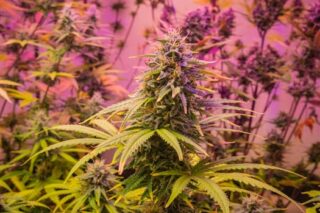
For those who have ever wondered, what does weed smell like, understanding its scent can be quite intriguing. Cannabis, commonly referred to as weed, releases a distinct aroma that varies based on its particular strain, environment, and maturation. This unique scent plays a significant role in its identification, enjoying a rich history rooted in culture and chemistry.
Understanding the Unique Aroma: What Does Weed Smell Like?
The olfactory profile of cannabis is primarily due to its terpenes – the organic compounds responsible for the aromatic diversity found within many plants, including cannabis. These terpenes not only determine the fragrance but also potentially influence the plant’s effects. Common terpenes found in cannabis include myrcene, linalool, and limonene, each imparting its essence to the plant’s overall smell.
Terpenes and Their Role in Cannabis Scent
Myrcene, often giving off a musky, earthy scent, is the most prevalent terpene found in many cannabis strains. Linalool brings floral and lavender undertones, while limonene provides citrus hints. The combination and concentration of these terpenes determine the signature scent of a cannabis strain.
A strain high in pinene, another terpene, might smell like a walk through a pine forest. Conversely, a strain with a strong presence of caryophyllene may carry spicy or peppery notes. The endless combinations allow each cannabis grower to craft unique aromatic experiences.
Factors Affecting Cannabis Aroma
Several factors influence the specific scent of cannabis. The strain, or genetic makeup of the plant, is crucial. Indica and sativa strains often boast different terpene profiles, resulting in varied scents. Additionally, the growth conditions, such as soil type, humidity, and light exposure, can significantly alter the scent profile.
The plant’s maturity also affects its aroma. As cannabis flowers mature, their terpene levels can fluctuate. The drying and curing processes post-harvest are equally important, as improper handling can lead to a loss of aromatic compounds, consequently subduing the plant’s scent.
Cannabis Aroma and Its Cultural Impact
Cannabis has been used for centuries across various cultures, not just for its psychoactive effects but also for its aromatic qualities. In some traditional practices, its scent is believed to offer therapeutic benefits. Terpenes like limonene and linalool are often credited with having relaxing effects that may support well-being under certain circumstances.
Many modern users appreciate the scope of scents as part of their overall experience. Whether it’s the serenity of a lavender-laden strain or the invigorating allure of a citrus-heavy mix, the aromatic world of cannabis continues to attract enthusiasts globally.
The Science Behind Cannabis Odor Recognition
Scientific interest in terpenes expands beyond their role in fragrance. Researchers examine how these compounds might enhance or influence the psychoactive effects of cannabis. This “entourage effect” implies that terpenes can modulate how THC and other cannabinoids affect the body.
The intricate relationship between terpenes and cannabinoids remains a subject of ongoing research. Understanding this relationship could not only deepen appreciation for the plant’s capabilities but also foster advancements in the therapeutic uses of cannabis.
For more information on how cannabis and other substances can impact health, visit our article on Understanding Drug and Alcohol Addiction.
Legal and Environmental Influences on Cannabis Aroma
Legal considerations play a part in how cannabis is cultivated and processed, which in turn impacts its smell. Different countries and regions have varying regulations, affecting the types of strains that can be grown and the methods used in their cultivation.
Environmental concerns also emerge given the impact of large-scale cannabis production. Sustainable farming practices are being explored to minimize negative effects on the environment, ensuring that the aroma of cannabis remains an untainted aspect of nature’s fragrance portfolio.
For detailed insights into the health, science, and regulation of cannabis, explore resources provided by reputable institutions like this informative page on Wikipedia.
Conclusion
The question what does weed smell like opens the door to a vibrant world of aromas influenced by complex chemical structures, environmental factors, and cultural practices. From spicy and earthy to sweet and floral, cannabis offers a sensory experience as varied as its strains. While the olfactory journey of cannabis can be appreciated for its own sake, it’s also a gateway to understanding this plant’s broader impact on lifestyle and culture.
- Cannabis aroma varies by strain and growing conditions.
- Terpenes like myrcene and linalool determine scent profiles.
- Legal and environmental factors influence aroma.
- Cultural practices appreciate cannabis not just for effects, but its fragrance.
- Scientific studies explore the role of terpenes and the entourage effect.
FAQs
What are terpenes?
Terpenes are organic compounds in many plants, including cannabis, responsible for their distinct aromas. They contribute to the unique scent profiles of different cannabis strains.
How does cannabis aroma differ between strains?
The aroma differs due to varying terpene concentrations in different strains. Indicas, sativas, and hybrids often have unique scent profiles shaped by their genetic makeup.
Can cannabis aroma have therapeutic effects?
While scents from certain terpenes are suggested to promote relaxation and other effects, scientific consensus is still evolving. Potential benefits should be considered in consultation with healthcare professionals.
Does the way cannabis is processed affect its smell?
Yes, the ways cannabis is dried, cured, and stored can significantly impact its aroma. Proper handling preserves the plant’s natural terpenes, enhancing its scent.
Where can I learn more about cannabis and health?
Comprehensive information can be found through educational resources such as research articles from reputable sites and governmental or health organizations.
Other Articles You May Find of Interest...
- Naloxone and the Quiet Infrastructure Behind America’s Falling Overdose Numbers
- 6 Rehab Facilities in India Offering Dual Diagnosis Treatment for Co-Occurring Addiction and Mental Illness
- Why Recovery Housing Reduces Emergency Room Visits, Not Just Relapse Risk
- Is a Chemical-Free Vape Possible? What the Vapor Still Contains
- Alcohol Withdrawal: Why the First 48 Hours Matter
- Fake Hayati vapes in the UK: how to check the one in your hand
- How Long Does It Take to Feel Normal After Quitting Drinking?





