
More Reviews Articles
Mushroom Gummies in 2026: Ingredients, Legality, Safety, and What Consumers Should Know
Disclosure: This article may contain sponsored content or affiliate links provided by third parties. Publication does not constitute an endorsement by Your Health Magazine.
Disclosure: This article was submitted by a third-party contributor and is published by Your Health Magazine for informational purposes. Your Health Magazine has not independently verified product testing claims, user experiences, or manufacturer statements and is not affiliated with the brands mentioned. Some links in this article are sponsored links.
Mushroom gummies have become one of the most talked-about wellness products online, but the category can be confusing. Some products are made with functional mushrooms such as lion’s mane, cordyceps, reishi, chaga, turkey tail, or maitake. Others use nootropics, adaptogens, hemp-derived cannabinoids, vitamins, or proprietary blends. Some products are marketed with the phrase “magic mushroom gummies,” even when they do not contain psilocybin.
That difference matters. Psilocybin is still illegal at the federal level in the United States, while many functional mushroom supplements are sold legally as wellness products. Consumers should not assume every “mushroom gummy” is the same, safe, legal, or accurately labeled.
This guide explains what mushroom gummies are, how legality works, what to look for on a product label, why third-party testing matters, and how to compare products more carefully before buying.
What Are Mushroom Gummies?
Mushroom gummies are chewable supplements that may contain mushroom extracts, nootropic compounds, adaptogens, vitamins, hemp-derived cannabinoids, or other wellness ingredients. Depending on the formula, they may be marketed for focus, relaxation, daily wellness, mood support, or general lifestyle use.
The term “mushroom gummy” can refer to several different types of products:
- Functional mushroom gummies made with ingredients such as lion’s mane, cordyceps, reishi, chaga, turkey tail, or maitake.
- Nootropic mushroom-style gummies that combine mushrooms with ingredients such as rhodiola, 5-HTP, caffeine, B vitamins, or other compounds.
- Hemp-derived mushroom gummies that may include hemp-derived Delta-9 THC or other cannabinoids, depending on the product.
- Products marketed as “magic mushroom gummies” that may not actually contain psilocybin or psychedelic mushrooms.
Because marketing language varies widely, consumers should rely on the ingredient label, Certificate of Analysis, and manufacturer disclosures rather than product names alone.
Are Magic Mushroom Gummies Legal?
Legality depends on the ingredients and the location where the product is purchased or used. In the United States, psilocybin is a federally controlled substance. Gummies that contain psilocybin are not federally legal, even though some state and local laws have changed around enforcement, decriminalization, or supervised use.
Many products marketed online as “magic mushroom gummies” claim to be legal because they do not contain psilocybin. Instead, they may contain functional mushroom extracts, nootropics, adaptogens, or hemp-derived ingredients. Some products may also contain Delta-9 THC derived from hemp, which creates additional state-law considerations.
Before purchasing any mushroom gummy product, consumers should check current federal, state, and local laws. Laws can change, and products available online may still be restricted in certain states.
Functional Mushrooms vs. Psilocybin Mushrooms
One of the most important distinctions is the difference between functional mushrooms and psilocybin mushrooms.
Functional mushrooms are non-psychedelic mushrooms commonly used in supplements. Examples include lion’s mane, reishi, cordyceps, chaga, turkey tail, and maitake. These ingredients are often promoted for general wellness, although consumers should be cautious about disease-treatment claims.
Psilocybin mushrooms contain psychoactive compounds that can produce psychedelic effects. Psilocybin remains federally illegal in the United States. Products that contain psilocybin should not be treated the same as ordinary wellness supplements.
Some products use “magic mushroom” language for branding even when they do not contain psilocybin. That is why the label and lab report matter more than the product name.
Why Product Testing Matters
The mushroom gummy market has drawn attention because some products may be mislabeled, poorly tested, or unclear about what they contain. A responsible product should make it easy for consumers to review testing information before purchasing.
A Certificate of Analysis, often called a COA, is a lab report that can help show what compounds were detected in a product. A useful COA should include the product name, batch number, testing date, lab name, and results for relevant compounds. Ideally, the testing should come from an independent third-party lab.
Consumers should be careful with products that provide only a generic lab report, an outdated report, or no report at all. A report that does not clearly match the product being sold is less helpful than a batch-specific report.
What to Look for Before Buying Mushroom Gummies
Clear Ingredient Disclosure
The label should identify the mushrooms, extracts, cannabinoids, nootropics, vitamins, or other ingredients used in the formula. If the label only says “mushroom blend” or “proprietary blend” without meaningful detail, consumers may not know what they are actually taking.
Third-Party Testing
Look for testing from an independent laboratory. The lab report should be easy to find, current, and connected to the product being sold. For products that contain hemp-derived THC, testing should also confirm cannabinoid levels and screen for contaminants when available.
State Shipping Restrictions
Responsible brands often restrict shipping based on state laws, especially when a product contains hemp-derived THC or other regulated ingredients. A product that claims to ship everywhere without any state restrictions is worth reviewing carefully.
Realistic Marketing Language
Be cautious of products that claim to treat anxiety, depression, sleep disorders, pain, or other medical conditions. Dietary supplements should not be marketed as cures or replacements for medical care.
Manufacturer Transparency
Consumers should be able to identify the company behind the product, review contact information, read ingredient details, and find basic safety information. Products sold through anonymous websites, gas stations, or unverified shops may be harder to evaluate.
Examples of Mushroom Gummy Products Available Online
The following examples are included to help readers understand the types of mushroom gummy products currently marketed online. Inclusion in this article does not mean Your Health Magazine has independently tested or verified these products. Consumers should review each company’s current ingredient list, lab reports, warnings, and shipping restrictions before purchasing.
BudPop Sour Watermelon Magic Mushroom Gummies
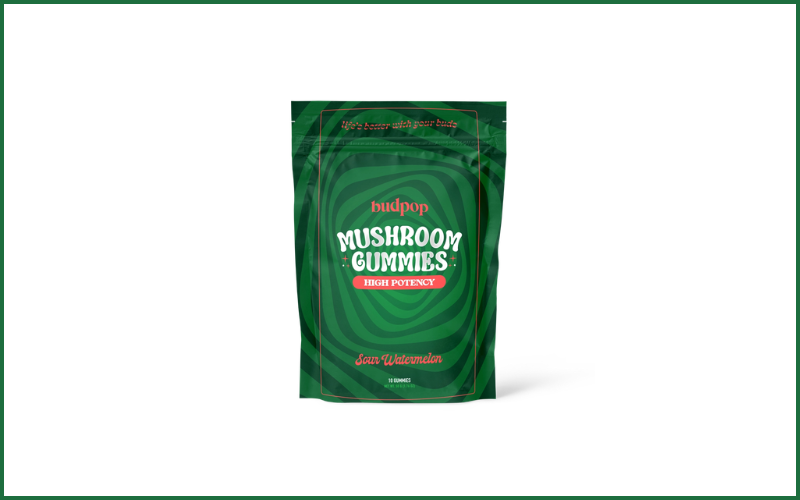
BudPop markets its sour watermelon mushroom gummies as a legal mushroom gummy product. Product information should be reviewed carefully to understand the formula, serving size, testing information, and shipping restrictions. Consumers should confirm whether the product contains cannabinoids or other regulated ingredients before purchasing.
When evaluating a product such as this, look for a current Certificate of Analysis, ingredient disclosure, state restrictions, and any warnings listed by the manufacturer.
View BudPop product information
Exhale Wellness Sour Watermelon Magic Mushroom Gummies
Exhale Wellness markets a mushroom gummy product that may include functional mushroom ingredients and hemp-derived components, depending on the current formula. Because hemp-derived Delta-9 THC laws vary by state, consumers should review the product page, lab report, and shipping rules before buying.
Products that contain THC may affect drug testing and may not be appropriate for people who need to avoid cannabinoids. Consumers should read the label and warnings carefully.
View Exhale Wellness product information
TRE House Mushroom-Style Gummies
TRE House is another brand often discussed in the mushroom gummy category. Its products may use blends of nootropics, adaptogens, vitamins, or functional ingredients rather than psilocybin. Consumers should review the current product label and lab reports directly from the manufacturer before purchasing.
For any product in this category, it is important to understand whether the formula is intended as a functional mushroom supplement, a hemp-derived product, or a nootropic blend.
Mojo Gummies
Mojo Gummies are generally positioned as functional mushroom or nootropic-style gummies rather than psilocybin products. Consumers interested in daytime wellness products should still review the ingredient panel, caffeine content if applicable, serving size, and manufacturer warnings.
Any product that includes nootropics, adaptogens, or mood-related ingredients should be reviewed carefully by people taking prescription medications or managing health conditions.
Plant People WonderDay
Plant People WonderDay is marketed as a daily wellness mushroom gummy. Products in this category typically focus on functional mushrooms rather than psychedelic effects. Consumers should review the current supplement facts panel, serving size, mushroom species, extract type, and testing information before use.
Daily-use mushroom supplements may appeal to people looking for a non-psychoactive product, but they still should not be treated as medical treatments or substitutes for professional care.
What About Mushroom Chocolates?
Mushroom ingredients are also sold in other forms, including chocolates, capsules, powders, drink mixes, and tinctures. The same evaluation standards apply. Consumers should check the ingredient list, testing documentation, legality, warnings, and manufacturer transparency.
For example, some consumers may encounter products such as Albino A+ Magic Mushroom Chocolates while researching mushroom edibles online. Before considering any mushroom chocolate or edible, consumers should confirm what mushroom species or compounds are included, whether psilocybin is present, whether the product is legal where they live, and whether reliable testing information is available.
How to Read a Certificate of Analysis
A Certificate of Analysis can be useful, but only if it is specific and understandable. When reviewing a COA, look for the following details:
- Product name: The report should match the exact product being sold.
- Batch or lot number: This helps connect the test results to a specific production batch.
- Testing date: More recent testing is more useful than old or generic reports.
- Lab name: The report should identify the laboratory that performed the testing.
- Compound results: The report should show relevant cannabinoids, mushroom-related compounds, or other tested substances when applicable.
- Contaminant screening: Some reports may include screening for heavy metals, pesticides, solvents, microbials, or other contaminants.
If a company references lab testing but does not make the report easy to find, consumers may want to contact the company before purchasing.
Red Flags to Watch For
The mushroom gummy market includes a wide range of products, and not all of them are presented clearly. Consumers should be cautious if they notice any of the following red flags:
- The product claims to be legal but does not clearly explain why.
- The label uses vague terms such as “magic blend” without naming ingredients.
- No lab report is available.
- The lab report does not match the product name or batch.
- The product claims to cure, treat, or prevent a medical condition.
- The product contains THC but does not explain state restrictions.
- The company does not provide basic contact or manufacturer information.
- The product is sold in a setting where testing information is unavailable.
Possible Safety Considerations
Mushroom gummies are not appropriate for everyone. Consumers should talk with a healthcare professional before using any supplement, especially if they take prescription medications, have a medical condition, are pregnant or nursing, have a history of substance sensitivity, or need to avoid THC.
Products containing nootropics, adaptogens, cannabinoids, or mood-related ingredients may interact with medications or cause unwanted effects in some people. Products containing THC may cause impairment and may result in a positive drug test.
Consumers should follow the manufacturer’s label instructions and avoid combining mushroom gummies with alcohol, sedatives, recreational substances, or other products that may affect alertness unless advised by a healthcare professional.
Questions to Ask Before Buying Mushroom Gummies
- Does the product contain psilocybin, functional mushrooms, cannabinoids, nootropics, or a combination?
- Is the product legal in my state?
- Does the company publish a current Certificate of Analysis?
- Does the lab report match the exact product and batch?
- Are all ingredients clearly listed?
- Does the product contain THC or any ingredient that may affect drug testing?
- Are there warnings for medication interactions or health conditions?
- Does the company make realistic claims?
- Is the product being sold by the manufacturer or an authorized retailer?
Where Can Consumers Buy Mushroom Gummies Legally?
Many consumers prefer buying directly from a brand’s official website because it may provide the most current product information, lab reports, ingredient disclosures, and shipping restrictions. However, direct purchase does not guarantee that a product is appropriate, legal, or accurately labeled. Consumers still need to review the details carefully.
Some mushroom gummies are also sold through online retailers, supplement stores, smoke shops, or convenience stores. When buying from a third-party seller, it may be harder to confirm whether the product is current, authentic, tested, or stored properly.
For products that contain hemp-derived THC, state laws and shipping restrictions are especially important. A product may be available online but still restricted in certain locations.
FAQs About Mushroom Gummies
Are mushroom gummies the same as psychedelic mushrooms?
No. Many mushroom gummies contain functional mushrooms, nootropics, adaptogens, or hemp-derived ingredients rather than psilocybin. Consumers should review the label and lab report to understand what a product contains.
Are legal mushroom gummies allowed in every state?
Not necessarily. Legality depends on the ingredients and state law. Products that contain hemp-derived THC may be restricted in some states. Consumers should check current state and local laws before purchasing.
Can mushroom gummies show up on a drug test?
Functional mushroom ingredients are not the same as THC. However, mushroom gummies that contain hemp-derived Delta-9 THC or other cannabinoids may result in a positive drug test. Anyone subject to drug testing should review the label carefully and consider avoiding products that contain THC.
Are mushroom gummies medical treatments?
No. Mushroom gummies are sold as supplements or wellness products. They should not be used to diagnose, treat, cure, or prevent any disease, and they should not replace medical care.
Is a COA enough to prove a product is safe?
A COA is helpful, but it is not a guarantee. Consumers should also review the company’s transparency, ingredient list, warnings, legal restrictions, and overall product information.
Conclusion
Mushroom gummies are a growing product category, but consumers need to evaluate them carefully. The most important factors are ingredient transparency, legality, third-party testing, realistic marketing claims, and clear manufacturer information.
Products marketed as “magic mushroom gummies” may not contain psilocybin, but that does not automatically make them safe, appropriate, or legal in every state. Some may contain functional mushrooms, nootropics, adaptogens, or hemp-derived THC. Consumers should read labels carefully, review Certificates of Analysis, check local laws, and speak with a healthcare professional when appropriate.
Disclaimer: This article is for informational purposes only and is not medical advice. Talk to a healthcare professional before using any supplement, especially if you take medication, have a health condition, are pregnant or nursing, or need to avoid THC. Laws related to mushroom and hemp products vary by state and may change. Check your local laws before purchasing or using any product. Some products may be intended only for adults 21 and older.
Other Articles You May Find of Interest...
- SodaPeak Reviews 2026 – Benefits, Side Effects, Pricing, and What Men Should Know
- AMP Joint-10 Reviews 2026 – Is It the Right Daily Joint Supplement for You?
- Glyco Barrier Reviews 2026 – Benefits, Ingredients, Side Effects, Pricing, and Results
- Senior Diet App Review 2026: Is This Meal Plan Worth It?
- Hinuki Lean Habit Jelly Reviews 2026 – Legit Korean Jelly Sticks Or Overhyped?
- Quiet Nerves Reviews 2026 – Legit Nerve Health Support Or Overhyped Formula?
- MEDVi QUAD Reviews (2026 NEW FORMULA) – What To Know Before You Enroll