
More Reviews Articles
Prostadine Reviews: What You Need to Know About This Prostate Health Supplement
Disclosure: This article may contain sponsored content or affiliate links provided by third parties. Publication does not constitute an endorsement by Your Health Magazine.
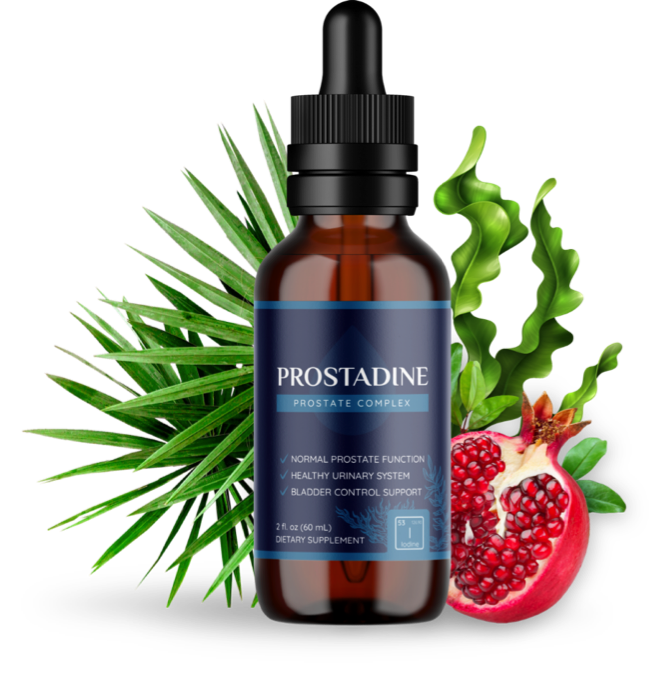
Prostate health is a topic that tends to get little attention until problems arise. Yet according to the National Institutes of Health, benign prostatic hyperplasia (BPH) affects a significant portion of aging men — with symptoms such as frequent urination, weak urine flow, and nighttime bathroom trips becoming increasingly common after the age of 50. In response to growing demand for natural prostate support, a range of liquid and capsule supplements have entered the market. Prostadine is one such product that has attracted considerable attention online. This review takes a closer look at what Prostadine contains, how its ingredients are supported by research, and what consumers should realistically expect.
Learn more about Prostadine’s formulation and decide if it aligns with your wellness goals.
What Is Prostadine?
Prostadine is a liquid dietary supplement formulated with nine plant-based and natural ingredients. Delivered in dropper form, it is designed to be taken orally — either directly or mixed into a beverage. The supplement is manufactured in an FDA-registered facility and is marketed primarily toward men concerned about prostate health, urinary function, and kidney wellness.
Unlike capsule-based supplements, Prostadine’s liquid delivery format is intended to allow for faster absorption. The formulation combines marine algae extracts, herbal compounds, and minerals — each selected based on traditional or emerging scientific interest in prostate and urinary tract health.
It is important to note upfront that Prostadine, like all dietary supplements, is not evaluated by the Food and Drug Administration for efficacy or safety before it reaches consumers. This does not mean the product is unsafe, but it does mean that consumers should approach it with the same critical lens they would apply to any supplement.
The Marketing Claims: Separating Narrative from Evidence
Prostadine’s promotional materials reference the concept that hard water — containing elevated levels of minerals like calcium and magnesium — may contribute to prostate problems over time. While it is true that water quality and mineral intake are subjects of legitimate scientific inquiry, the specific claim that hard water is a primary driver of prostate disease is not a broadly accepted conclusion in mainstream urology.
That said, the underlying premise — that certain minerals and compounds can accumulate in the body and affect organ function — is not without scientific basis in a general sense. The more important question for consumers is whether the specific ingredients in Prostadine have credible research supporting their use for prostate and urinary health.
Prostadine Ingredients: A Closer Look
1. Nori Yaki Extract Powder
Nori is a type of red algae widely consumed in East Asian cuisine, particularly in Japan. Nori and related seaweeds contain bioactive compounds including phlorotannins, fucoidans, and fucoxanthin — all of which have been studied for antioxidant and anti-inflammatory properties.
Research published in peer-reviewed nutrition journals has highlighted the potential of marine algae compounds in supporting cellular health. Some epidemiological studies have noted that populations with high seaweed consumption — such as in Japan — tend to have lower rates of certain prostate conditions, though this correlation must be interpreted carefully given the many lifestyle and dietary differences between populations.
2. Wakame Extract
Wakame is a brown seaweed with a long history of culinary and medicinal use in Asia. It is rich in fucoxanthin, a carotenoid that has demonstrated antioxidant activity in laboratory settings. Wakame also contains compounds with known antibacterial properties.
Studies on wakame and its bioactive components suggest potential benefits for metabolic and cellular health, though most research has been conducted in vitro or in animal models. Human clinical trials specifically examining wakame’s effects on prostate health remain limited.
3. Kelp Powder
Kelp is one of the most nutrient-dense seaweeds available and is a natural source of iodine, along with antioxidants and dietary fiber. It has been studied in the context of thyroid health — where iodine plays a critical role — and more broadly for its potential to reduce oxidative stress.
Some research has explored the relationship between iodine levels and prostate tissue health. A study published in Molecular Medicine examined iodine uptake in prostate tissue, suggesting that adequate iodine may play a role in maintaining prostate function, though more research is needed to draw firm conclusions.
4. Bladderwrack Powder
Bladderwrack is a brown algae rich in fucoidan — a sulfated polysaccharide that has been studied extensively for its immunomodulatory and antioxidant effects. Research has suggested fucoidan may have properties that support the integrity of cells lining the urinary tract and prostate.
A notable characteristic of bladderwrack is its iodine content, which complements the overall formulation’s approach to supporting hormonal and cellular balance. Some studies also suggest fucoidan may support healthy testosterone metabolism, which is relevant to prostate tissue health.
5. Saw Palmetto
Saw palmetto is arguably the most researched herbal ingredient for prostate health and one of the most widely used botanical supplements in men’s health. Derived from the fruit of Serenoa repens, saw palmetto has been studied extensively in the context of BPH and lower urinary tract symptoms.
A landmark clinical trial published in the New England Journal of Medicine (Bent et al., 2006) found that saw palmetto was not significantly more effective than placebo for BPH symptoms in that specific study population. However, other reviews and meta-analyses have suggested modest benefits for urinary flow and symptom relief. The scientific picture is mixed, and saw palmetto remains an area of active research.
Mechanistically, saw palmetto is believed to work by inhibiting 5-alpha reductase — an enzyme involved in converting testosterone to dihydrotestosterone (DHT), which can drive prostate tissue growth.
6. Pomegranate Extract
Pomegranate is increasingly recognized for its rich polyphenol content, particularly punicalagins and ellagic acid, which are potent antioxidants. Research published in Clinical Cancer Research found that pomegranate juice consumption was associated with a slower rise in PSA (prostate-specific antigen) levels in men who had undergone treatment for prostate cancer — suggesting potential benefits for prostate tissue health.
A separate randomized, placebo-controlled study published in the International Journal of Impotence Research explored pomegranate juice’s role in supporting erectile function and blood circulation. While not a direct measure of prostate health, healthy blood flow to the pelvic region is closely linked to urinary and prostate wellness.
7. Iodine
Iodine is an essential trace mineral best known for its role in thyroid hormone synthesis. Less widely discussed is its potential relevance to prostate health. Epidemiological data have noted that regions with higher iodine intake tend to have different rates of certain prostate conditions, though causation is difficult to establish.
Some researchers have proposed that iodine may have a role in regulating cell division in hormone-sensitive tissues, including the prostate. However, this remains a developing area of research, and iodine supplementation should be approached with care — excessive intake can be harmful to thyroid function.
8. Shilajit
Shilajit is a resinous mineral compound found primarily in the Himalayan mountain range, formed over centuries from the decomposition of plant matter. It is rich in fulvic acid and a range of trace minerals. Traditionally used in Ayurvedic medicine, shilajit has been studied more recently in clinical contexts.
A clinical study published in Andrologia (Pandit et al., 2016) found that healthy volunteers who took purified shilajit experienced a statistically significant increase in total testosterone levels compared to placebo. Another study in the same journal found positive effects on sperm count in men with oligospermia.
Shilajit also contains fulvic acid, which has demonstrated antioxidant properties and may support mitochondrial function — relevant for cellular energy and recovery.
9. Neem
Neem (Azadirachta indica) is a tree native to the Indian subcontinent with a long history in Ayurvedic and folk medicine. Its leaf extracts contain nimbolide and other compounds that have demonstrated antioxidant and antimicrobial activity in laboratory research.
Research published in the Journal of Oncology examined neem extract’s effects on various cancer cell lines and found notable results, though it is important to distinguish between in vitro findings and clinical outcomes in humans. Neem is also traditionally used for urinary tract support, and some studies suggest it may help reduce bacterial load in the urinary system.
Read the full ingredient breakdown to understand what the science says before making your decision.
Who Might Consider Prostadine?
Prostadine may be of interest to adult men who:
- Are in their 40s, 50s, or older and beginning to notice changes in urinary patterns
- Are interested in natural or plant-based approaches to maintaining prostate wellness
- Prefer liquid supplements over capsules for easier consumption or absorption
- Want to complement a healthy lifestyle with targeted botanical support
It is not intended as a replacement for medical evaluation or treatment. Men experiencing significant urinary symptoms, pelvic discomfort, or elevated PSA levels should consult a qualified healthcare provider before relying on any supplement.
Potential Considerations and Limitations
Scientific Evidence Varies by Ingredient: Some ingredients — such as saw palmetto and pomegranate extract — have more robust clinical research behind them than others. Ingredients like nori yaki and bladderwrack are promising but lack large-scale human trials specifically focused on prostate outcomes.
Supplement Regulation: As noted earlier, dietary supplements in the United States are not required to prove efficacy before reaching the market. Consumers rely on third-party testing, manufacturer transparency, and ingredient-level research to evaluate quality.
Individual Variation: Every person’s body responds differently to nutritional supplements. Factors like age, existing health conditions, medications, and gut absorption all influence how effective a given supplement may be.
Not a Substitute for Medical Care: Prostate health conditions such as BPH, prostatitis, or prostate cancer require professional diagnosis and management. Supplements may play a supportive role but should not be used as a primary treatment.
Iodine Caution: The presence of multiple iodine-rich seaweed extracts alongside added iodine means individuals with thyroid conditions should discuss this supplement with their doctor before use.
What Users Report
Online reviews of Prostadine are broadly mixed, as is typical for supplement products. Some users describe improvements in urinary frequency, particularly nighttime urination, within several weeks of consistent use. Others report no noticeable change. Positive experiences tend to cluster around urinary flow and sleep quality — the latter likely related to reduced nighttime bathroom trips or the shilajit component’s reported sleep-supporting properties.
Negative reviews reflect a variety of experiences, including unmet expectations, lack of noticeable results, or other concerns reported by users.
Final Assessment
Prostadine brings together a thoughtful selection of botanical and marine ingredients, several of which have credible scientific support for their role in supporting prostate and urinary health. Ingredients like saw palmetto, pomegranate extract, and shilajit are among the most studied natural compounds in men’s health research. The addition of seaweed-derived compounds like wakame and kelp adds antioxidant and mineral support that may offer complementary benefits.
Men interested in prostate health supplements may wish to review the ingredient profile, available research, and safety considerations before deciding whether Prostadine aligns with their goals. That said, informed decision-making should always include a conversation with a healthcare provider, especially for men over 50 or those with existing urinary or hormonal concerns.
As with any supplement, consistency, realistic expectations, and professional guidance are the most important variables in determining whether a product like Prostadine is appropriate for a given individual.
Disclaimer: This review is for informational purposes only and does not constitute medical advice. The statements in this article have not been evaluated by the Food and Drug Administration. This product is not intended to diagnose, treat, cure, or prevent any disease. Always consult a qualified healthcare professional before starting any new supplement regimen.
Other Articles You May Find of Interest...
- P Protect Reviews – Men’s Wellness Patches For Prostate Support and Urinary Comfort
- OnyGuard Anti-Fungal Pen Reviews 2026 – Legit Nail Care Product Or Overhyped?
- DirectMeds ED Reviews 2026 – Is DirectMax A Real Alternative To Standard ED Pills?
- Soda Steel Reviews 2026 – Legit Daily Energy Support or Overhyped Supplement?
- Is Rich Diet App Legit? Subscription, Support, and How to Cancel
- GLP-Star App Review 2026: A GLP-1 Meal Plan for Real Life
- Decamen App Review 2026: Military Calisthenics Workouts for Busy Men