More Neurology Articles
Navigating the Challenges of Postural Instability for Better Health
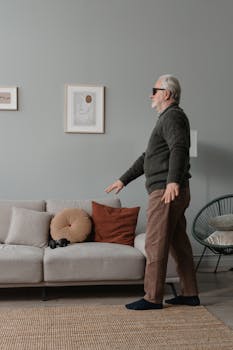
Postural instability is a common challenge, particularly among older adults, that can lead to impaired mobility and an increased risk of falls. Understanding the factors that contribute to postural instability and exploring strategies to improve it are essential for enhancing overall health and quality of life.
Understanding Postural Instability
Postural instability refers to an impaired ability to maintain balance and control body position in space. This condition can arise from various factors such as age-related changes, neurological disorders, and musculoskeletal issues. The ability to maintain balance is typically managed by the body’s sensory systems, which include the visual, vestibular, and somatosensory systems. Disruption in these systems can lead to difficulties in maintaining stability.
Causes and Risk Factors
Several causes and risk factors may contribute to postural instability:
- Neurological Disorders: Conditions such as Parkinson’s disease and multiple sclerosis can significantly impact balance.
- Musculoskeletal Issues: Weakness in the core and lower extremities can lead to instability.
- Sensory Impairments: Vision loss and decreased proprioception can affect balance.
- Medications: Some medications may have side effects that impact balance and coordination.
Improving Postural Stability
Addressing postural instability often involves a comprehensive approach that includes physical therapy, exercise, and sometimes assistive devices.
Exercise and Physical Therapy
Exercises targeting strength, flexibility, and balance are crucial. Physical therapists can design individualized programs focusing on these elements. Activities like tai chi and yoga are known to improve balance and coordination.
For those interested in incorporating more physical activity into their routines, our guide on small steps to a more active lifestyle may provide helpful insights.
Assistive Devices
Assistive devices such as canes, walkers, or balance braces may provide additional support and security for individuals experiencing significant instability. These aids can be tailored to individual needs and preferences.
Lifestyle Modifications
Simple lifestyle changes can also play a significant role. Ensuring the home is free of tripping hazards, improving lighting, and wearing appropriate footwear can help reduce the risk of falls due to instability.
When to Seek Professional Help
If postural instability affects daily life, consulting healthcare professionals who specialize in balance disorders is crucial. They can provide tailored assessments and recommend therapies that may significantly improve quality of life.
Researchers continue to study various therapies and interventions that may support individuals with balance issues. According to the Wikipedia entry on balance, this area is of particular interest due to its impact on the aging population.
In conclusion, understanding and addressing postural instability is vital for maintaining mobility and preventing falls. Proactive measures, appropriate therapies, and lifestyle adjustments can contribute significantly to improved stability and better health outcomes.
- Postural instability can result from neurological, musculoskeletal, or sensory system issues.
- Exercise and physical therapy are key to improving stability.
- Assistive devices and home modifications can minimize fall risk.
- Consult healthcare providers for a comprehensive approach to manage instability.
- Ongoing research continues to explore effective therapies.
What is postural instability?
Postural instability is the inability to maintain balance and control body position, often leading to mobility challenges and increased risk of falls.
What causes postural instability?
Causes include neurological disorders, musculoskeletal weaknesses, sensory impairments, and certain medications.
How can postural instability be managed?
Management can involve physical therapy, exercises, assistive devices, and lifestyle modifications tailored to the individual’s needs.
When should I seek professional help for postural instability?
Professional help should be sought if instability affects daily life or if there’s a higher risk of falls. Healthcare providers can offer customized assessments and treatments.
Can lifestyle changes help reduce postural instability?
Yes, lifestyle changes, such as ensuring a safe home environment and using appropriate footwear, can significantly reduce fall risk associated with instability.
Other Articles You May Find of Interest...
- How to Read a Nerve Conduction Study Report
- Can a Tissue Paper Test Detect a CSF Leak?
- What Does Cerebrospinal Fluid Taste Like During a CSF Leak?
- Cervical Laminectomy: A Complete Guide to This Spinal Decompression Surgery
- Why Concussion Symptoms Can Look Different From Person to Person
- The Crushing Fatigue of ALS
- Complex Partial Seizures: Managing Focal Awareness Loss
Featured Doctors and Practices