More Allergy, Asthma & Infectious Disease Articles
Exploring the Impact of Staphylococcus Hominis on Human Health
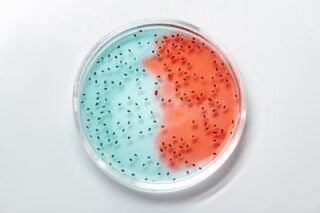
Staphylococcus hominis is a type of bacteria that is part of the natural flora found on human skin. This microorganism is generally harmless and plays a crucial role in maintaining the skin’s ecosystem. However, under certain conditions, it can become opportunistic, potentially leading to infections. In this article, we’ll explore the impact of Staphylococcus hominis on human health and discuss the conditions under which it might cause problems.
What is Staphylococcus Hominis?
Staphylococcus hominis is one of the many species of bacteria found on the skin’s surface. It belongs to the Staphylococcus family, which includes other well-known species like Staphylococcus aureus. Unlike some of its relatives, Staph hominis is less likely to cause infections in healthy individuals. However, it is important to understand its behavior and the factors that can lead to potential health issues.
Role of Staphylococcus Hominis in Skin Health
Staphylococcus hominis contributes to skin health by competing with harmful bacteria and helping to maintain a balanced microbiome. The presence of such bacteria is essential for the skin’s immune defense, preventing colonization by more pathogenic microorganisms. Researchers are studying how these bacteria communicate with skin cells, influencing skin health positively.
Potential Health Issues
Although generally harmless, Staphylococcus hominis can cause infections, especially in individuals with weakened immune systems or open wounds. Such infections are typically localized to the skin but can occasionally become more severe. In hospital settings, where patients are more vulnerable, Staph hominis may contribute to healthcare-associated infections.
Staphylococcus Hominis and Antibiotic Resistance
One concerning factor about Staphylococcus hominis is its potential for antibiotic resistance. Some strains have developed resistance to common antibiotics, complicating treatment options. Continuous research aims to better understand this resistance and develop effective strategies for managing infections caused by antibiotic-resistant strains.
Diagnosis and Treatment
If an infection is suspected, healthcare providers may take a sample from the affected area and send it to a laboratory for analysis. This helps identify the specific bacteria and assess the most effective treatment options. In the case of antibiotic-resistant strains, alternative antibiotics or a combination of treatments might be required.
Prevention and Control
Maintaining good personal hygiene is one of the easiest and most effective ways to prevent infections. Regular hand washing, keeping wounds clean, and avoiding unnecessary contact with sick individuals can help reduce the risk of Staphylococcus hominis infections. In healthcare settings, strict sterilization and infection control protocols are crucial to minimize the spread of this bacterium.
Research and Future Directions
Research is ongoing to better understand the characteristics and behaviors of Staphylococcus hominis. Scientists are exploring its role in the broader skin microbiome and its interactions with the human immune system. These studies may eventually lead to new preventive measures or treatments for infections.
For those interested in learning about how diet might support immunity, you may find this article on the importance of a high-protein diet useful.
Conclusion
Understanding the impact of Staphylococcus hominis on health is essential for maintaining overall skin health and preventing possible infections. While typically a benign member of the skin’s flora, it can pose risks under certain conditions. A balanced approach that includes effective hygiene, awareness of antibiotic resistance, and continued research will help ensure we manage these bacteria effectively.
For more information on health and the human body, you can visit this article on health.
- Staphylococcus hominis is generally a harmless skin bacterium.
- It plays a role in maintaining a healthy skin microbiome.
- Infections can occur mainly in those with weakened immune systems.
- Prevention includes good hygiene practices.
- Research is ongoing on its antibiotic resistance and role in health.
FAQs About Staphylococcus Hominis
What is Staphylococcus hominis?
It is a type of bacteria part of the skin’s natural flora, generally harmless but can occasionally cause infections.
How does Staphylococcus hominis benefit the skin?
It helps maintain a balanced microbiome, preventing colonization by more harmful bacteria.
Can Staphylococcus hominis cause serious infections?
While rare, it can cause more serious infections in individuals with weakened immune systems or open wounds.
How is a Staphylococcus hominis infection treated?
Treatment involves antibiotics, with laboratory tests guiding the choice, especially in resistant strains.
What can be done to prevent infections?
Maintaining good hygiene, proper wound care, and following infection control protocols in healthcare settings are key preventive measures.
Other Articles You May Find of Interest...
- How to Keep Pollen Out of Your Home: Choosing an Air Purifier for Pollen
- When Should Your Child See a Pediatric Allergist? A Three-Trigger Test
- Candida sp. rRNA Results: What Molecular Testing Detects
- Ant Bites or Poison Ivy? How the Rashes Differ
- Can Stress Cause Cold Sores on the Lips?
- Gram-Positive Rods in a Blood Culture: Contamination or Infection?
- Can Head Lice Get Into Your Ears?