






More Imaging Articles
MRI vs X-Ray: Which Imaging Technique is Right for You?
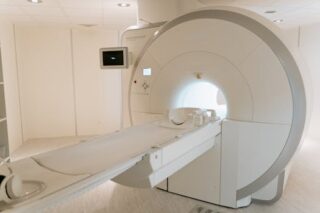
When it comes to diagnostic imaging, two common techniques often come into play: MRI vs X-Ray. Both imaging techniques provide essential insights into the human body, yet they serve different purposes and have distinct advantages. Understanding the key differences can help guide patients and healthcare professionals in choosing the right technique for specific medical conditions.
Understanding MRI vs X-Ray
Magnetic Resonance Imaging (MRI) is a sophisticated imaging technique that uses a magnetic field and computer-generated radio waves to create detailed images of organs and tissues inside the body. MRIs are particularly useful for imaging soft tissues, such as the brain, muscles, and ligaments.
In contrast, an X-Ray uses ionizing radiation to generate images of structures inside the body, particularly useful for capturing images of bones and detecting fractures. The process is faster and often used in situations requiring quick diagnosis, like suspected bone breaks.
How MRI Works
MRIs involve powerful magnets that align the protons in the body. When radiofrequency fields are applied, these protons produce signals picked up by the MRI machine, which are then processed to create detailed images.
This technique is preferred for soft tissue evaluation, making it an excellent choice for identifying abnormalities in organs, the brain, and joints. Additionally, MRIs do not use radiation, making them safer for sensitive areas.
How X-Ray Works
An X-Ray machine directs small amounts of radiation through the body, which is absorbed at different rates by different tissues. Dense materials, like bone, appear white on the X-Ray film, while softer tissues appear darker.
Quick and less costly, the X-Ray is a go-to option for diagnosing broken bones, dental issues, and chest conditions like pneumonia. Some other uses include mammography and identifying lung issues.
Advantages of MRI
- Superior for imaging soft tissues and organs.
- No exposure to ionizing radiation, making it safer for long-term exposure.
- Highly detailed images that assist in diagnosing complex conditions.
Advantages of X-Ray
- Quick imaging, ideal for emergency diagnosis.
- Less expensive compared to MRI scans.
- Excellent for viewing dense tissues like bones and teeth.
Limitations of MRI
- Longer scanning times compared to X-Rays.
- Higher cost than X-Ray imaging.
- Cannot be used with patients with certain implants (e.g., pacemakers).
Limitations of X-Ray
- Less detailed for soft tissue imaging.
- Involves low-level radiation exposure.
- Not ideal for complex or organ-specific imaging needs.
Comparative Applications in Healthcare
In the clinical setting, the choice between MRI vs X-Ray often depends on the specific medical requirement. For instance, a patient exhibiting potential brain injury symptoms would more likely benefit from an MRI to determine any soft tissue damage.
Similarly, for a suspected wrist fracture, an X-Ray provides a fast and reliable diagnostic route. Understanding when to use each imaging technique is crucial in ensuring accurate diagnosis and optimal patient care.
Consulting Healthcare Professionals
Depending on your symptoms or medical needs, a healthcare provider can recommend the most appropriate imaging. They consider factors such as the area of the body being examined, the nature of the symptoms, and any underlying health issues.
It’s also valuable to stay informed on complementary methods in imaging and diagnostics. Learn more about how traditional and holistic medicine approaches can support your health in this informative article.
Conclusion: MRI vs X-Ray for Diagnostic Imaging
In summary, both MRI and X-Ray have their unique strengths and limitations. Understanding these differences aids in informed decision-making for diagnostic imaging based on specific health conditions. Whether it’s for soft tissue evaluation or immediate fracture diagnosis, selecting the right tool can significantly impact patient care.
Learn more about the basics of healthcare imaging and techniques by visiting this comprehensive resource. Always consult your healthcare provider to navigate the best imaging options tailored to your needs.
- MRI is best for soft tissues; X-Ray is ideal for bones.
- MRIs do not use radiation; X-Rays involve low-level exposure.
- Ask your healthcare provider for advice on imaging options.
FAQ
What is the main difference between MRI and X-Ray?
MRI provides detailed images of soft tissues using magnetic fields, while X-Ray images bones using ionizing radiation.
Is MRI safer than X-Ray?
MRIs do not expose patients to radiation, making them safer for repeated use, especially in sensitive areas.
Why are X-Rays quicker than MRIs?
X-Rays take a few minutes, using straightforward technology to image dense structures, while MRIs can take longer and involve complex imaging processes.
Can MRI replace X-Ray?
Not entirely. Each has its specific applications and strengths. MRIs excel in soft tissue imaging, while X-Rays are crucial for bone assessments.
When should I opt for an MRI over an X-Ray?
Opt for an MRI when detailed images of soft tissues, organs, or the central nervous system are needed. Consult your doctor based on your symptoms and history.
Other Articles You May Find of Interest...
- What Is Teleradiology? How It Works and What Patients Should Know
- Radiology Clinics in Southern Sydney: Options to Consider
- What Can Different Types of CT Scans Detect? A Patient Guide
- A Hypoechoic Renal Mass on Ultrasound: Next Steps
- Elastography: The Scan Replacing Some Liver Biopsies
- ‘No Suspicious Osseous Lesion’: Good News, Explained
- A Normal Pituitary MRI: What the Radiologist Saw





