More Allergy, Asthma & Infectious Disease Articles
How Long Does Poison Ivy Last and What to Expect with the Rash?
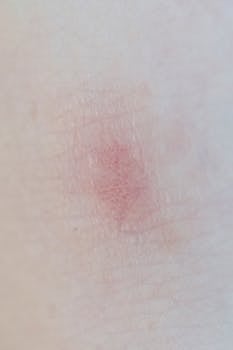
When dealing with poison ivy, one of the most pressing questions is, “how long does poison ivy last?” This common skin reaction causes discomfort and inconvenience, but understanding its duration and the care required can ease some of the distress. While individual experiences may vary, typical symptoms last from one to three weeks.
Understanding How Long Does Poison Ivy Last
Poison ivy rash occurs after contact with urushiol oil, found in poison ivy, oak, and sumac plants. Upon exposure, the skin may develop redness, itching, and blisters. For most people, the rash clears up in one to three weeks without significant medical intervention. However, various factors can influence the rash’s persistence and severity.
The timing and severity of the rash can depend on the amount of urushiol you come into contact with and your skin’s sensitivity level. For those who have frequent exposure or sensitivity to the oil, the need for prolonged care may increase.
Stages of the Poison Ivy Rash
Understanding the progression of a poison ivy rash can help manage expectations and care strategies. Here are the typical stages:
Early Stage: Initial Reaction
The initial rash usually appears within 12 to 48 hours after contact with urushiol. Symptoms start with itchiness and mild discomfort, which can rapidly escalate. This is your body’s first response to the allergenic oil.
Middle Stage: Blister Formation
Within a few days, small bumps and blisters form. These can be accompanied by swelling and redness. Blisters filled with a clear fluid might burst and ooze if scratched, despite common myths, this doesn’t spread the rash.
Late Stage: Crusting and Healing
As days progress, the blisters will begin to dry and crust over. New skin forms underneath as the rash heals, often signifying the end of this unpleasant experience.
Treatment and Relief
While it’s essential to know how long a poison ivy rash typically lasts, relieving symptoms is equally important. Treatments aim to soothe irritation and prevent infection. Here are some common approaches:
- Cold compresses: Apply a soothing cool compress to affected areas to alleviate itching and swelling.
- Calamine lotion: This over-the-counter remedy provides topical relief from itching.
- Oatmeal baths: Taking a bath with colloidal oatmeal can significantly ease skin irritation.
- Antihistamines: Oral antihistamines may help reduce itching and promote restful sleep.
For severe cases, particularly those involving a widespread rash or facial swelling, medical attention may be required. In such instances, a healthcare provider might prescribe corticosteroids or antibiotics if an infection occurs.
The Impact of Lifestyle on Skin Health
General lifestyle choices can impact how your body responds to conditions like poison ivy rash. A healthy diet, regular exercise, and adequate hydration can promote faster healing. Maintaining a strong immune system may reduce the severity of your reaction to allergens. For more on how lifestyle choices affect your health, consider reading this comprehensive guide on lifestyle and health.
Preventing Poison Ivy Exposure
Prevention is the best defense against poison ivy rash. Here are some tips to avoid contact with poison ivy plants:
- Learn to identify poison ivy, oak, and sumac plants to steer clear of them.
- Wear protective clothing such as long sleeves and pants when in wooded areas.
- Use barrier creams formulated to protect skin from urushiol.
- Wash your skin and clothing promptly if you suspect exposure.
These proactive steps can significantly reduce the likelihood of a reaction.
What to Expect Long-term
While the immediate concern is how long a poison ivy rash will last, it’s reassuring to know these reactions rarely cause long-term skin damage. The skin may experience temporary discoloration, taking a few months to return to its natural pigment. However, scarring is uncommon unless severe rash complications occur.
How to Treat Recurring or Persistent Rashes
If you experience repeated episodes or prolonged reactions, consult with a healthcare provider to ensure there isn’t an underlying condition. Persistent rashes may require a tailored treatment plan for effective management.
Conclusion: How Long Does Poison Ivy Last?
Ultimately, the answer to “how long does poison ivy last?” depends on individual circumstances, although most cases resolve within three weeks. Prompt treatment and preventive measures are vital. For more comprehensive information on managing poison ivy, consider referring to reliable health resources such as this page on health-related topics.
- Poison ivy rash typically lasts 1-3 weeks.
- Stages include initial reaction, blistering, and healing.
- Treatments focus on symptom relief and preventing infection.
- Lifestyle choices can support the skin’s health.
- Prevention involves identifying and avoiding the plant.
Is poison ivy rash contagious?
No, poison ivy rash is not contagious between individuals. The rash is caused by direct contact with urushiol oil, not by fluid from blisters or skin contact.
What happens if I scratch my poison ivy rash?
Scratching can lead to skin infections and prolong healing. It does not spread the rash, but it’s best to avoid scratching to allow the skin to heal properly and avoid potential infections.
When should I see a doctor for my poison ivy rash?
Consult a doctor if the rash is severe, covers a large area of your body, causes swelling in the face or difficulty breathing, or if signs of infection, such as pus or fever, occur.
Can my pets spread poison ivy to me?
Pets can carry urushiol oil on their fur, potentially leading to human exposure. Wash pets that might have come into contact with poison ivy.
What is the best way to treat mild poison ivy rash?
For mild cases, over-the-counter treatments, such as calamine lotion and oatmeal baths, usually provide effective relief. Cool compresses and oral antihistamines can also help reduce symptoms.
Other Articles You May Find of Interest...
- How to Keep Pollen Out of Your Home: Choosing an Air Purifier for Pollen
- When Should Your Child See a Pediatric Allergist? A Three-Trigger Test
- Candida sp. rRNA Results: What Molecular Testing Detects
- Ant Bites or Poison Ivy? How the Rashes Differ
- Can Stress Cause Cold Sores on the Lips?
- Gram-Positive Rods in a Blood Culture: Contamination or Infection?
- Can Head Lice Get Into Your Ears?