More Imaging Articles
Exploring the Benefits of CT Abdomen and Pelvis With Contrast for Accurate Diagnosis
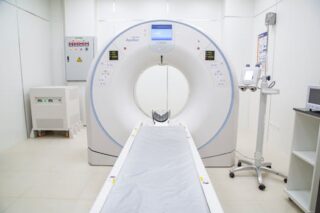
The use of CT abdomen and pelvis with contrast has become instrumental in diagnosing various medical conditions. This imaging technique provides detailed pictures of the abdominal and pelvic regions, enhancing the accuracy of diagnosing issues such as infections, cancers, and vascular diseases. By using a contrast agent, the clarity and differentiation between the organs and tissues are significantly improved, aiding physicians in obtaining precise diagnostic information.
What is a CT Abdomen and Pelvis with Contrast?
A CT (Computed Tomography) of the abdomen and pelvis with contrast involves using X-ray technology to capture images of the internal structures of these regions. The “contrast” refers to a special dye injected into your body to make certain areas more visible on the scan. This type of scan is invaluable in providing intricate images that help in identifying anomalies or diseases affecting internal organs such as the liver, kidneys, pancreas, and intestines.
Uses of CT Abdomen and Pelvis with Contrast
The CT abdomen pelvis with contrast is often recommended for diagnosing conditions when other methods, such as ultrasound or MRI, may not provide enough information. Here are some common uses:
- Identifying Tumors: The enhanced imaging can help detect the presence and extent of tumors, aiding in planning appropriate treatment strategies.
- Assessing Infections: It is used to diagnose infections in the organs, such as appendicitis or diverticulitis, where prompt diagnosis is crucial.
- Evaluating Vascular Systems: This scan provides clear images that help evaluate blood vessels and identify issues such as aneurysms or blockages.
The Procedure
The procedure for a CT abdomen pelvis w contrast involves several steps to ensure the highest quality of images. Initially, you will be given a contrast dye, either orally or intravenously. This dye is critical as it enhances the visibility of your internal structures. Following this, you will lie down on the CT table, which moves through the scanner, capturing numerous slices of images. The entire process is generally quick, lasting about 30 minutes.
Benefits of a CT Abdomen Pelvis With Contrast
The advantages of this imaging method are significant. The condensed imaging capability allows for a detailed view of the body that can lead to the early detection of diseases. The ability to pinpoint specific anatomical locations aids physicians in tailoring treatment plans more effectively. Furthermore, the non-invasive nature and speed of the procedure provide comfort and convenience for patients.
While there are many benefits, it’s essential for patients to understand that CT scans involve exposure to radiation. Thus, it’s critically important to weigh these factors and discuss them with their healthcare provider.
Risks and Considerations
Like any medical procedure, CT abdomen and pelvis with contrast carries potential risks. Allergic reactions to the contrast dye can occur, although they are rare and usually mild. The radiation exposure is another factor, albeit typically minimal and within safe limits. Before undergoing the procedure, patients should inform their doctors about any allergies or existing medical conditions to mitigate these risks.
Preparation and Aftercare
Attention to preparation details can significantly affect the scan’s success and clarity. Patients are usually instructed to fast for a few hours prior to the scan. After the procedure, staying hydrated is often recommended to help flush the contrast agent from your system. Patients should also be vigilant for any signs of allergic reactions and contact their healthcare provider if they experience any unusual symptoms.
Real-life Applications
The real-world impact of CT scans in healthcare is profound. For instance, in emergency settings, the rapid acquisition of imaging results can be life-saving, allowing for prompt surgical interventions in cases such as traumatic injuries or acute abdominal pain. Further reading on abdominal CT scanning provides additional insight into various applications.
Further exploring the gastrointestinal system can also be crucial for those with specific symptoms. Understanding symptoms of conditions like hemochromatosis can be invaluable. For more insights, read about recognizing symptoms of hemochromatosis.
Conclusion
The accuracy and efficiency of a CT abdomen and pelvis with contrast make it a vital tool in modern medicine. When performed under the proper guidance and conditions, it provides essential information that can significantly influence patient outcomes. As always, patients should discuss with their healthcare providers to understand the benefits and limitations of this procedure in their specific case.
- CT abdomen and pelvis with contrast enhances diagnostic accuracy.
- It provides detailed images for various conditions including tumors and infections.
- Involves minimal radiation exposure, generally considered safe.
- Follow proper preparation and aftercare instructions for best results.
- Consult your healthcare provider for personalized advice.
What is the purpose of a CT abdomen and pelvis with contrast?
It is primarily used to diagnose and evaluate conditions affecting abdominal and pelvic organs, providing high-resolution images for accurate diagnosis.
Are there risks associated with a CT scan with contrast?
Yes, potential risks include exposure to radiation and allergic reactions to the contrast dye, although these instances are rare and generally manageable.
How should I prepare for the procedure?
Patients are likely instructed to fast before the scan and notify their doctors of any allergies or existing medical conditions.
Are there alternatives to CT abdomen and pelvis with contrast?
Alternatives include MRI and ultrasound, but each modality has specific advantages and limitations. Discussing these with your healthcare provider can help determine the most appropriate choice.
Why is contrast used in a CT scan?
Contrast helps highlight different structures by increasing the visibility of blood vessels and organs, leading to more precise and detailed images.
Other Articles You May Find of Interest...
- What Is Teleradiology? How It Works and What Patients Should Know
- Radiology Clinics in Southern Sydney: Options to Consider
- What Can Different Types of CT Scans Detect? A Patient Guide
- A Hypoechoic Renal Mass on Ultrasound: Next Steps
- Elastography: The Scan Replacing Some Liver Biopsies
- ‘No Suspicious Osseous Lesion’: Good News, Explained
- A Normal Pituitary MRI: What the Radiologist Saw