More Woundcare Articles
Effective Strategies for Managing Slough Wounds and Promoting Healing
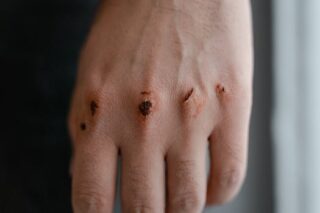
Understanding how to manage a slough wound is crucial for promoting optimal healing and preventing complications. Slough wounds feature a yellow or whitish tissue, which can be a barrier to healing if not treated properly. This article will provide insights into effective strategies for managing such wounds, emphasizing the importance of a comprehensive wound care plan and regular consultation with healthcare providers to ensure the best outcomes.
What is a Slough Wound?
A slough wound is characterized by the presence of yellow or white tissue, called ‘slough,’ on the wound bed. This type of tissue consists of dead cells and debris, which can hinder the healing process. It is crucial to properly identify and manage this tissue to promote healing and avoid infections.
Effective Strategies for Managing a Slough Wound
Proper management of a slough wound involves various strategies that can aid in the removal of the slough and support the healing process.
1. Debridement Techniques
Debridement is the process of removing slough and other non-viable tissue from the wound bed. There are several methods available, each suited to different types of wounds and patient needs:
- Surgical Debridement: This involves physically removing slough tissue with surgical instruments. It is generally performed by healthcare professionals in a clinical setting.
- Mechanical Debridement: This technique might include using saline-soaked gauze to gently remove dead tissue.
- Enzymatic Debridement: This approach uses topical agents to dissolve non-viable tissue, making it easier to remove.
- Autolytic Debridement: In this method, the body’s own enzymes and natural fluids are harnessed using special dressings to soften and remove slough.
2. Keeping the Wound Moist
Maintaining a moist wound environment is vital for healing. Moisture helps facilitate cellular activities necessary for tissue repair and can aid in the natural debridement process by softening slough.
3. Regular Monitoring
Frequent assessment and care by healthcare professionals are paramount. Providers can adjust treatment plans as needed, ensuring optimal conditions for healing. Learn more about how lifestyle choices impact healing and overall health.
4. Nutritional Support
Nutrition plays a critical role in the wound healing process. A diet rich in protein, vitamins, and minerals supports cell regeneration and immune function, which are essential for recovery from a sloughing wound.
5. Infection Prevention
Infection control is crucial in wound management. Employing proper hygiene practices, using sterile dressings, and seeking medical advice at the first signs of infection can prevent complications.
6. Seeking Professional Help
While at-home care can assist with some aspects of wound management, it’s important to consult healthcare providers for proper diagnosis and treatment of slough wounds. This ensures that underlying conditions are addressed, and the most appropriate treatment methods are applied.
When to Consult a Healthcare Provider
If a slough wound does not show signs of healing or worsens, it is essential to contact a healthcare provider. They can offer advanced treatments and verify that the wound is being managed effectively. Prompt medical attention can also prevent the onset of serious infections.
Conclusion
Effectively managing a slough wound requires a combination of professional medical guidelines, personal care strategies, and regular consultations with healthcare specialists. By following a comprehensive care plan, the healing process can be significantly improved.
For additional information on managing slough wounds, consider browsing resources available on health management.
- Slough wounds contain dead tissue and require careful management to heal.
- Debridement, infection control, and moisture maintenance are key strategies.
- Professional consultation is crucial for effective wound management.
- Nutritional support plays an essential role in the recovery process.
Frequently Asked Questions
What is a slough wound?
A slough wound features yellow or white dead tissue on the wound’s surface, which can impede the healing process.
How can I care for a sloughing wound at home?
Wound care at home includes maintaining a moist environment, keeping the wound clean, and monitoring for infection. Always follow professional advice for best practices.
What are the signs that I need to see a doctor for my wound?
If you notice increased pain, redness, swelling, or if the wound does not improve, seek medical attention. These could be signs of infection or improper healing.
Why is keeping the wound moist important?
A moist environment aids in the natural debridement and healing processes by encouraging cellular activity necessary for tissue repair.
Can lifestyle choices impact wound healing?
Absolutely. Diet, exercise, and avoiding harmful habits like smoking can significantly affect your body’s ability to heal wounds effectively.
Other Articles You May Find of Interest...
- How Long Can Stitches Stay In After Surgery?
- BIASURGE® Advanced Surgical Solution: Uses and Key Considerations
- Antibiotic Ointment on New Piercings: Help or Harm?
- Other Names for Pus, and What Its Color Tells You
- Blue-Green Wound Drainage: A Sign to Act On
- When Does a Skin Bump Become Something You Should Get Checked?
- A Bleeding Ear Piercing: Normal or Infected?