More Allergy, Asthma & Infectious Disease Articles
Combatting Skin Irritations: Effective Solutions for Ringworm and Eczema
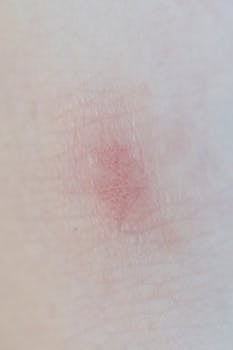
Dealing with skin irritations like ringworm or eczema can be an uncomfortable and often embarrassing problem for many people. Understanding the differences between these two common conditions, as well as the treatment options, can help reduce symptoms and improve overall skin health.
Understanding Ringworm and Eczema
Ringworm, also known as tinea, is a fungal infection that appears as a circular, red, itchy patch on the skin. Contrary to its name, ringworm is not caused by a worm but by fungi. Eczema, or atopic dermatitis, is an inflammatory skin condition characterized by itchy, red, and dry skin. Both conditions can lead to discomfort and require specific treatment approaches.
Causes and Symptoms
The causes of ringworm or eczema vary significantly. Ringworm is highly contagious and can spread through direct contact with infected individuals or surfaces. Meanwhile, eczema is often linked to genetic factors and environmental triggers, such as allergens or stress. Recognizing these symptoms is crucial for accurate diagnosis and treatment.
Common symptoms shared between ringworm and eczema include:
- Itchy, red skin
- Scratching that may result in sores or blistering
- Rashes that can appear anywhere on the body
Treatment Options for Ringworm
Treating ringworm typically involves antifungal medications, which can be topical creams or oral prescriptions prescribed by a healthcare provider. It is important to follow the treatment plan as recommended to prevent the spread of the infection. Maintaining proper hygiene and avoiding sharing personal items can also reduce the risk of contracting and spreading ringworm.
For more information on how lifestyle choices impact our overall health, you can explore more on lifestyle and health.
Treatment Options for Eczema
Eczema treatment focuses on reducing flare-ups and managing symptoms. Moisturizing the skin regularly is essential to prevent dryness and irritation. Topical corticosteroids may be prescribed by a clinician to alleviate inflammation and itching. In some cases, other medications may be necessary for severe symptoms.
Prevention Strategies for Ringworm or Eczema
Taking preventive steps can significantly reduce your risk of developing ringworm or eczema. For ringworm, practicing good hygiene is key. This includes washing hands frequently, keeping skin dry, and wearing breathable clothing. For eczema, avoiding known triggers such as certain soaps or stressors is crucial. Using hypoallergenic skincare products and maintaining a stress-free environment can also benefit those with eczema-prone skin.
For credible insights on health-related topics, consider visiting this resource for more information on maintaining overall health.
Addressing skin irritations such as ringworm or eczema requires a comprehensive understanding of the conditions, effective treatment strategies, and preventive measures to maintain healthy skin.
- Recognize the symptoms and differences between ringworm and eczema for proper diagnosis.
- Use antifungal treatments to address ringworm infections.
- Eczema management focuses on hydration and reducing triggers.
- Preventive strategies involve good hygiene for ringworm and trigger avoidance for eczema.
- Consult a healthcare provider for personalized treatment plans.
Can ringworm clear up on its own?
While mild cases of ringworm may resolve without treatment, it is advisable to use antifungal medications to prevent spreading and ensure complete healing.
What triggers eczema flare-ups?
Eczema flare-ups can be triggered by various factors such as stress, allergens, harsh soaps, and changes in the weather.
Are ringworm and eczema contagious?
Ringworm is highly contagious and can spread through contact, while eczema is not contagious and cannot be spread from one person to another.
Is it possible to prevent ringworm and eczema entirely?
While it may not be possible to prevent these conditions entirely, maintaining good hygiene and avoiding known triggers can significantly reduce the risk of infection or flare-ups.
What role does a healthcare provider play in managing these skin conditions?
A healthcare provider can offer the proper diagnosis and treatment plan, including medications and advice on managing symptoms effectively.
Other Articles You May Find of Interest...
- How to Keep Pollen Out of Your Home: Choosing an Air Purifier for Pollen
- When Should Your Child See a Pediatric Allergist? A Three-Trigger Test
- Candida sp. rRNA Results: What Molecular Testing Detects
- Ant Bites or Poison Ivy? How the Rashes Differ
- Can Stress Cause Cold Sores on the Lips?
- Gram-Positive Rods in a Blood Culture: Contamination or Infection?
- Can Head Lice Get Into Your Ears?