More Allergy, Asthma & Infectious Disease Articles
Exploring the Impact of Viral Exanthems on Health and Well-being
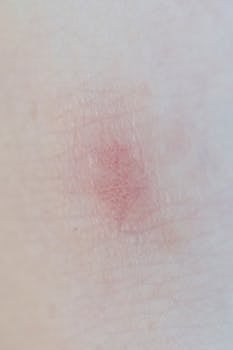
Viral exanthems are a group of skin rashes associated with viral infections that commonly affect children but can also occur in adults. These rashes present a range of symptoms from mild to severe, often accompanying other signs of infection like fever or fatigue. Understanding the extent of their impact on health and overall well-being is essential, not only for effective management but also for preventing transmission.
Understanding Virus Viral Exanthem
A virus viral exanthem typically manifests as a widespread skin rash marked by erythematous patches or spots. These skin outbreaks can be caused by a variety of viruses, including measles, rubella, and chickenpox. Each virus has distinct characteristics and associated symptoms, making diagnosis a crucial step in effective treatment.
Common Types and Causes
Several viral infections are known to cause exanthems. Measles, for instance, presents with a high fever followed by a characteristic blotchy red rash. Rubella, while usually milder, can lead to serious birth defects if contracted during pregnancy. Chickenpox is notorious for its itchy vesicular rash and can occasionally lead to complications such as bacterial infections.
Other less common viral exanthems include roseola, caused by the human herpesvirus 6, which usually affects infants and presents with a sudden high fever followed by a rose-pink rash as the fever subsides. Hand, foot, and mouth disease, often observed in young children, results in sores in the mouth and a rash on the hands and feet. More information about various viral infections can be found here.
Symptoms and Diagnosis
The symptoms accompanying a virus viral exanthem can vary widely depending on the virus involved. In general, they include fever, cough, sore throat, runny nose, and in some cases, conjunctivitis. The rash can likewise range from small spots to large blotches and might be itchy or painful.
Diagnosis is often clinical, based on the appearance of the rash and accompanying symptoms. In certain cases, laboratory tests can be performed to identify the virus responsible for the symptoms. Understanding the specific virus is important for prognosis and management strategies.
Treatment and Management
Treatment for viral exanthems is primarily supportive. This includes fever management with antipyretics, adequate hydration, and rest. Antihistamines may be used to alleviate itching related to the rash. Most viral exanthems are self-limiting and resolve on their own without specific antiviral treatment.
However, in cases where complications arise, or for individuals at higher risk, such as those who are immunocompromised, more aggressive treatment might be necessary. Consulting a healthcare provider for personalized advice is always recommended.
Preventive Measures
Prevention is particularly important in managing viral exanthems, aiming to reduce transmission and protect vulnerable populations. Vaccinations play a critical role in this regard. Diseases like measles, mumps, and rubella can be prevented through childhood vaccination programs, significantly reducing their occurrence and associated exanthems.
Moreover, practicing good hygiene—such as regular hand washing and avoiding close contact with infected individuals—can help prevent the spread of viruses responsible for these rashes. Detailed discussion regarding preventive health measures for viral infections can enhance public knowledge and safety.
Being proactive in understanding and managing viral exanthems not only aids in individual health but also contributes to public health efforts. More insights on maintaining health during teenage years through fitness can be found in our article about Fitness Tips for Teens.
The Impact on Overall Well-being
A virus viral exanthem not only affects physical health but can also have psychological and social impacts. Isolation during contagious stages, discomfort from symptoms, and concern about complications contribute to stress and anxiety.
Understanding the full scope of these impacts helps in addressing the needs of those affected. Efforts to provide comprehensive care should consider these psychosocial aspects, offering support and education to minimize stress and promote recovery.
Conclusion: Addressing Virus Viral Exanthem
While a virus viral exanthem often presents as a non-threatening condition, its impact on health and well-being can be significant, especially when complications arise. Educating communities about symptoms, treatment, and prevention is vital. Efforts to maintain vaccinations and hygiene help in managing the spread of these ailments.
As research continues to advance, the prospect of improved treatments and preventive measures grows, bolstering public health efforts. For more extensive health guidance and support, always consider reaching out to healthcare professionals.
- Viral exanthems are often mild but require proper attention.
- Vaccinations are crucial in preventing some of these diseases.
- Symptoms include rash, fever, and general malaise.
- Management focuses on symptomatic relief and prevention.
- Consult a healthcare provider for personalized medical advice.
FAQs
What is a virus viral exanthem?
A virus viral exanthem is a skin rash caused by a viral infection, often accompanied by other symptoms like fever or fatigue.
How is it diagnosed?
Diagnosis is generally clinical, based on the characteristic rash and accompanying symptoms, sometimes confirmed with lab tests.
What are common treatments?
Treatment is usually supportive, including fever control, hydration, and rest. Antihistamines can help with itching.
How can viral exanthems be prevented?
Prevention focuses on vaccinations, hygiene practices, and limiting contact with infected individuals.
Are there long-term effects?
Most viral exanthems resolve without long-term effects, but complications can occur, particularly in high-risk individuals.
Other Articles You May Find of Interest...
- How to Keep Pollen Out of Your Home: Choosing an Air Purifier for Pollen
- When Should Your Child See a Pediatric Allergist? A Three-Trigger Test
- Candida sp. rRNA Results: What Molecular Testing Detects
- Ant Bites or Poison Ivy? How the Rashes Differ
- Can Stress Cause Cold Sores on the Lips?
- Gram-Positive Rods in a Blood Culture: Contamination or Infection?
- Can Head Lice Get Into Your Ears?