






More Home Care & Wellness Products Articles
Mindful Interior Décor: Creating a Home That Supports Mental Health
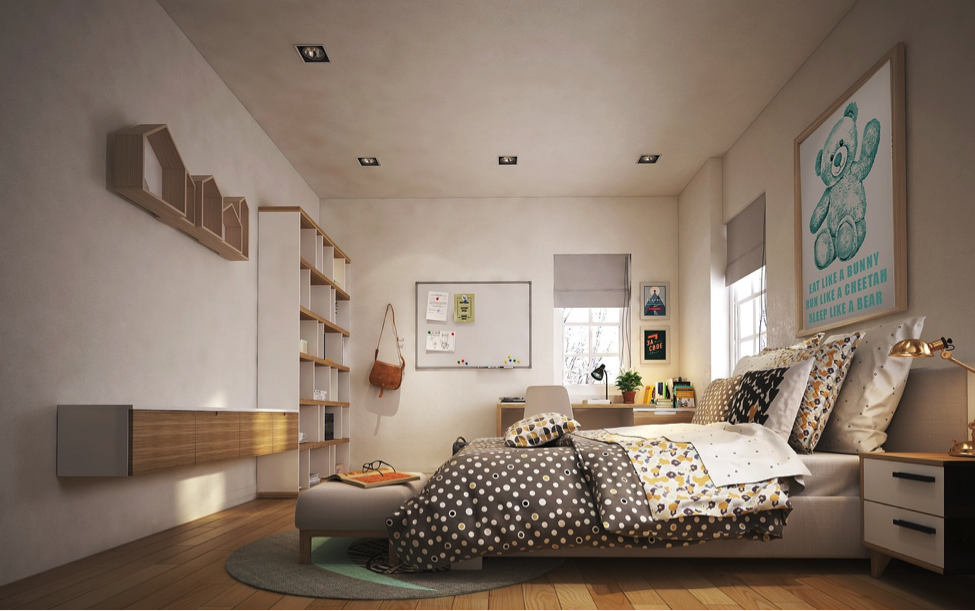
Your home is more than just a place to eat and sleep—it’s where your mind resets, your emotions settle, and your daily energy is shaped. Thoughtful interior décor can play a powerful role in supporting mental well-being. By designing your space with intention, you can create an environment that promotes calmness, clarity, and emotional balance.
The Connection Between Space and Mind
The way your home looks and feels directly impacts your mood, stress levels, and even productivity. Cluttered, poorly lit, or chaotic environments can contribute to anxiety and mental fatigue. On the other hand, a well-organized and thoughtfully designed space can help reduce stress and encourage a sense of peace.
Mindful décor is about being intentional—choosing elements that not only look good but also make you feel good.
Declutter for Mental Clarity
One of the first steps toward a mindful home is decluttering. Too many items in a space can overwhelm your brain and make it harder to focus or relax. Start small:
- Clear surfaces like tables and shelves
- Donate or remove items you no longer need
- Organize essentials into simple storage solutions
A clean and uncluttered environment often leads to a clearer, calmer mind.
Choose Calming Colors
Color has a strong psychological effect. Soft, neutral tones and nature-inspired shades can create a soothing atmosphere. Consider:
- Light blues and greens for calmness
- Warm neutrals for comfort
- Soft whites for a sense of openness
Avoid overly bright or harsh colors in spaces meant for relaxation, like bedrooms or reading areas.
Bring Nature Indoors
Incorporating natural elements can significantly boost mental health. Indoor plants, natural light, and organic materials help create a sense of connection with nature, which has been shown to reduce stress.
Simple ideas include:
- Adding low-maintenance plants like snake plants or pothos
- Maximizing natural light with sheer curtains
- Using wooden, bamboo, or cotton materials
Even a small touch of greenery can make a big difference.
Create Dedicated Relaxation Spaces
Designating a specific area for relaxation helps your brain associate that space with calmness. This could be:
- A cozy reading nook
- A meditation corner with cushions and soft lighting
- A quiet spot for journaling or reflection
Keep this area simple, comfortable, and free from distractions like electronics or clutter.
Focus on Lighting
Lighting plays a crucial role in mood regulation. Harsh lighting can cause discomfort, while soft, warm lighting creates a more inviting atmosphere.
Tips for mindful lighting:
- Use warm-toned bulbs for a cozy feel
- Add lamps instead of relying only on overhead lights
- Let in as much natural daylight as possible
Good lighting can make your home feel more peaceful and balanced.
Personalize with Meaning
Your home should reflect who you are. Surround yourself with items that bring joy and positive memories, such as:
- Family photos
- Artwork you love
- Meaningful souvenirs
However, balance is key—avoid overcrowding your space with too many items.
Reduce Noise and Distractions
A peaceful home environment also involves minimizing noise and distractions. Consider:
- Soft furnishings like rugs and curtains to absorb sound
- Quiet corners away from busy areas
- Limiting constant TV or background noise
A quieter space allows your mind to rest and recharge.
Embrace Simplicity and Comfort
Mindful décor isn’t about perfection or expensive items—it’s about comfort and intention. Choose furniture that feels good, soft fabrics, and layouts that allow easy movement.
Ask yourself: Does this space make me feel relaxed and at ease? If the answer is yes, you’re on the right track.
Final Thoughts
Creating a home that supports mental health doesn’t require a complete makeover. Small, thoughtful changes can transform your environment into a place of peace and restoration. By decluttering, choosing calming elements, and designing with purpose, you can turn your home into a sanctuary that nurtures both your mind and your well-being.
Other Articles You May Find of Interest...
- From Damp to Dry: A Practical Approach to Tackling Mold
- Must Have Kitchen Tools for Food Safety
- Discover the Benefits of Tubi Grips for Effective Health Support
- Best Safe Fragrance Oils for Diffusers in 2026: Lephrone, Vitruvi, Plant Therapy, Edens Garden, and Rocky Mountain Oils
- Simple Lifestyle Changes That Support a Healthier Living Environment
- How Your Living Environment Impacts Long Term Health and Well Being
- 30kWh Battery Guide: How Home Battery Systems Protect Households During Power Outages




