More Pain Management & Rehabilitation Articles
Is Chronic Pain a Disability? Modern Ways to Prevent It
Chronic pain isn’t just discomfort that lasts longer than expected. It’s pain that stays in the body long after an injury should have healed, and sometimes without a clear physical cause at all.
Most medical professionals define chronic pain as:
Pain that continues for three months or longer
But time alone doesn’t tell the whole story.
When Does Chronic Pain Qualify as a Disability?
Not all chronic pain is considered a disability. But some forms of chronic pain can become disabling when they start limiting everyday function.
The key question isn’t just:
“Do you feel pain?”
It’s:
“Does the pain interfere with how you live your life?”
Chronic pain may be classified as a disability when it affects your ability to:
- sit or stand for long periods
- lift or carry objects
- concentrate at work
- sleep consistently
- walk comfortably
- maintain normal daily routines
In other words, the issue is functional impact, not just discomfort. Two people can have the same diagnosis. Only one may qualify as disabled.
Examples of Chronic Pain That Can Become Disabling
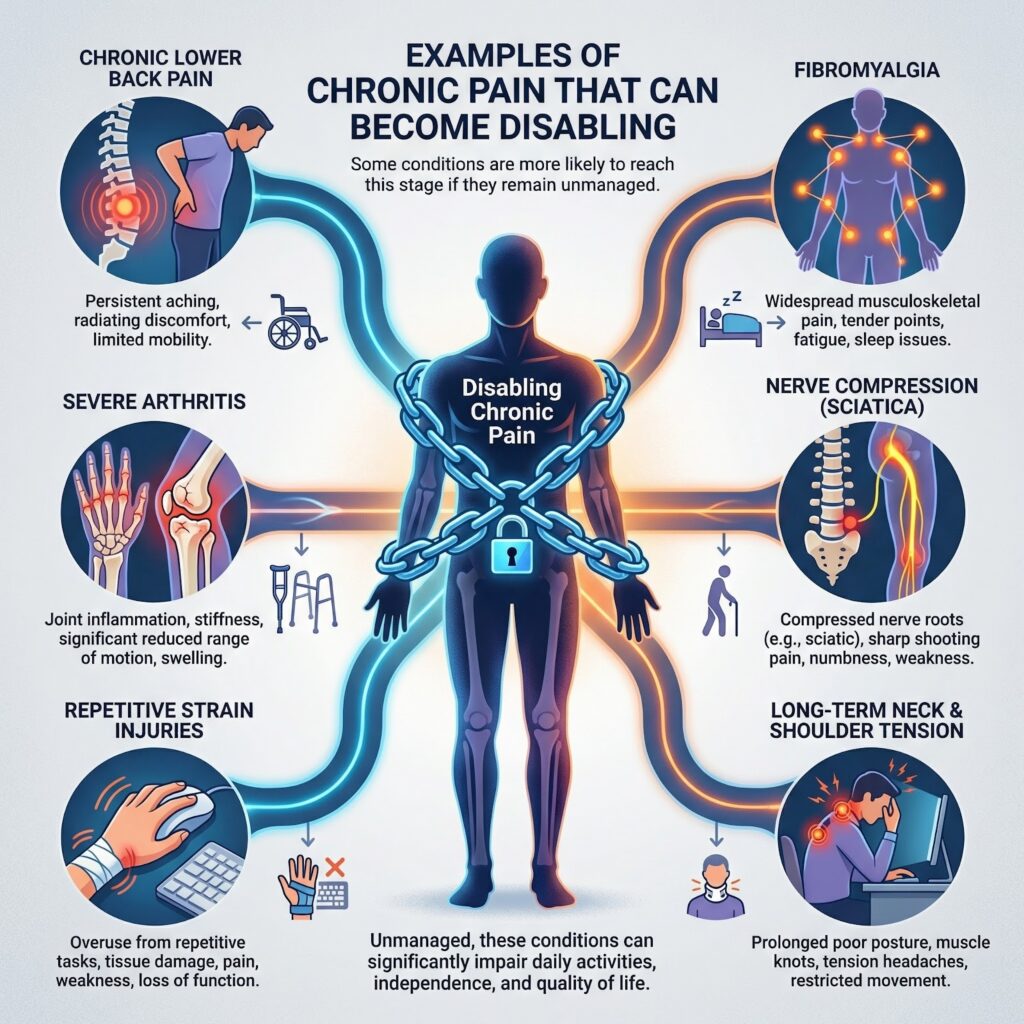
Some conditions are more likely to reach this stage if they remain unmanaged:
- chronic lower back pain
- fibromyalgia
- severe arthritis
- nerve compression conditions like sciatica
- repetitive strain injuries
- long-term neck and shoulder tension from desk work
Modern Ways to Prevent Chronic Pain Before It Becomes Long-Term
Preventing chronic pain doesn’t usually require one major change. It’s the result of small daily habits that support movement, recovery, and muscle balance over time.
Here are some practical approaches people are using today:
- Daily mobility routines
Short stretching sessions (even 5–10 minutes) help maintain joint flexibility and reduce stiffness before it builds up. - Regular posture resets during the day
Standing, walking, or adjusting your workstation prevents tension from settling into the neck, shoulders, and lower back. - Using simple at-home recovery tools
Foam rollers, stretching bands, and modern massage chairs can help release built-up tension and support circulation between workouts or long workdays. - Strengthening supporting muscles
Light resistance training improves stability around the spine and joints, lowering strain during everyday movement. - Improving sleep positioning and support
A supportive mattress and pillow setup can reduce overnight stress on the back and hips. - Managing stress-related muscle tension
Breathing exercises and relaxation techniques help prevent the nervous system from holding chronic tightness in the body - Taking movement breaks instead of staying seated too long
Even short walks throughout the day can prevent stiffness from becoming persistent pain.
Common Types of Chronic Pain
Chronic pain doesn’t look the same for everyone. Some of the most common examples include:
- lower back pain
- neck and shoulder tension
- joint stiffness
- nerve-related pain (like sciatica)
- recurring headaches
- muscle soreness that never fully goes away
Sometimes the pain starts after an injury. Sometimes it builds gradually over the years. And sometimes it appears without a clear reason at all.
Why Recovery Matters More Than Ever
Long hours of sitting, screen use, and reduced daily movement are now common. As a result, many people experience:
- tight shoulders and neck stiffness
- lower back discomfort
- reduced flexibility
- slower muscle recovery after activity
Regular recovery helps interrupt this cycle early.
Simple Recovery Tools People Use at Home Today
Many prevention strategies now happen outside clinics or therapy sessions:
- Foam rollers help release tight muscle tissue after exercise or long sitting periods
- Stretching straps and mobility tools improve flexibility safely at home
- Ergonomic chairs and standing desks reduce posture-related strain during work hours
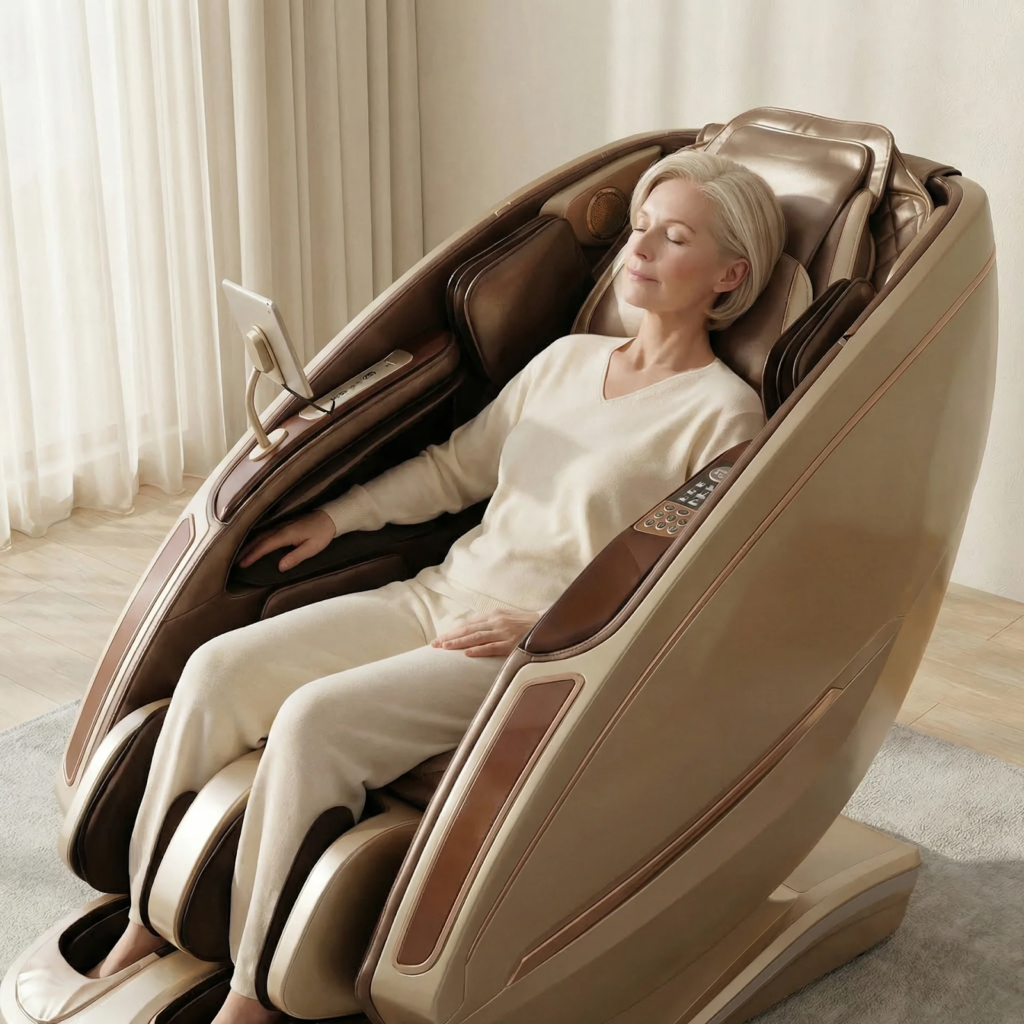
- Massage chairs provide guided full-body relaxation and muscle relief without needing appointments
These tools make recovery more consistent and accessible
How Chronic Pain Affects Work and Daily Life
Many people first notice the seriousness of chronic pain when it starts changing their routine.
For example:
- needing frequent breaks to sit or stretch
- avoiding certain movements entirely
- feeling tired even after resting
- struggling to stay focused
- reducing physical activity over time
These small adjustments can slowly reshape how a person lives.
A Question Many People Quietly Ask
Is this something I just have to live with now?
The answer is often no.
Chronic pain may last longer than expected, but that doesn’t mean it’s permanent or unavoidable. Understanding how it develops is the first step toward preventing it from becoming part of your long-term routine.
Other Articles You May Find of Interest...
- What to Do If You Think You Have a Broken Tailbone
- Closed Reduction With External Fixation: How It Stabilizes a Fracture
- Knee Massager for Muscle Tension Around the Knee What You Need to Know
- What Life Really Looks Like a Year After Spine Surgery
- Gout or Bursitis? Why Joint Swelling Can Look the Same
- Broken Kneecap Recovery: How Long Healing Usually Takes
- The Thumb Grind Test: What Pain During It Can Mean