






More Imaging Articles
Is an MRI Lumbar Spine Without Contrast Right for You?
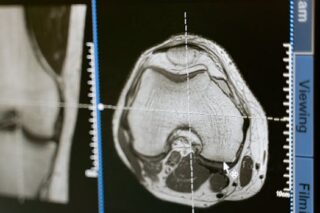
When faced with back pain or other symptoms affecting the spine, your healthcare provider may recommend an MRI lumbar spine without contrast. This non-invasive diagnostic test helps physicians obtain detailed images of the lumbar region of the spine, which includes the lower spine’s vertebrae and surrounding tissues. This article explores what you can expect from the procedure, its applications, and how it compares to other imaging tests.
What is an MRI Lumbar Spine Without Contrast?
An MRI, or magnetic resonance imaging, of the lumbar spine without contrast is a medical imaging procedure used to visualize the lower part of the spine. It uses magnetic fields and radio waves to create detailed images of the lumbar region without the use of a contrast agent. This type of MRI is commonly used to diagnose conditions like herniated discs, spinal stenosis, and degenerative disc disease.
Why Choose MRI Lumbar Spine Without Contrast?
There are several reasons a healthcare provider might opt for an MRI lumbar spine without contrast. This approach avoids the use of a contrast dye, which can sometimes cause allergic reactions or have adverse effects in people with certain conditions, such as kidney disease. Since MRI without contrast is non-invasive and does not involve radiation, it is often preferred for diagnosing spine-related issues.
When is an MRI Necessary?
Your doctor may recommend an MRI lumbar spine without contrast if you’re experiencing lower back pain, leg pain, numbness, or weakness. These symptoms might be due to disc issues or nerve compressions that are better visualized with an MRI. It’s a valuable tool to assess the spine’s condition and to plan the best treatment for back problems.
Preparing for the Procedure
Preparation for an MRI lumbar spine without contrast is straightforward. You may be asked to wear loose, comfortable clothing, and you should remove any metal jewelry or accessories. The MRI technician will provide you with specific instructions and will ensure you are comfortable throughout the procedure. Visit Wikipedia’s MRI section to learn more about the MRI process.
What to Expect During the MRI
The MRI machine is a large, tube-like structure. You’ll be asked to lie still on a movable table, which slides inside the magnet. The procedure is painless, but it can be noisy, so technicians often provide earplugs or headphones. Although the entire process takes about 45 minutes to an hour, staff will communicate with you through an intercom to ensure your comfort.
Potential Results and Follow-Up
After the MRI lumbar spine without contrast, a radiologist will analyze the images and send a report to your healthcare provider. This report will aid in determining the cause of your symptoms and in developing a treatment plan. Depending on the results, you may be referred for physical therapy, medication, or sometimes surgery.
Benefits of an MRI Lumbar Spine Without Contrast
One of the primary benefits of this MRI is its ability to provide clear images of the spine’s soft tissues, which cannot be achieved through X-rays alone. Additionally, since no contrast dye is used, the test is safer for patients with allergies or renal issues. Should you need information on other ways to support your spine health, consider reading about the importance of a high-protein diet for weight management, which can aid in overall body wellness.
Conclusion: Is an MRI Lumbar Spine Without Contrast Right for You?
Determining whether an MRI lumbar spine without contrast is right for you depends on your specific symptoms and medical history. It is a valuable diagnostic tool, providing critical information that can aid in creating an effective treatment plan. If you’re experiencing persistent back pain or related symptoms, consult with your healthcare provider to discuss if this MRI is suitable for your situation.
- An MRI lumbar spine without contrast is a non-invasive imaging test for the lower spine.
- This diagnostic tool helps in identifying issues like herniated discs and spinal stenosis.
- The procedure is safe for those with allergies or kidney issues, as it omits contrast dyes.
- Consulting with a healthcare provider ensures this approach aligns with your healthcare needs.
- Visit credible sources to complement your understanding of lumbar spine care.
FAQs
Why might a doctor order an MRI without contrast?
Doctors may select an MRI without contrast to avoid potential allergic reactions to the dye, particularly in patients with kidney issues or other health concerns.
How does an MRI differ from a CT scan?
Unlike a CT scan, which uses X-rays, an MRI uses magnetic fields and radio waves, providing detailed images of soft tissues without radiation exposure.
Is there any preparation required for an MRI lumbar spine without contrast?
Preparation is minimal; patients may need to change into a hospital gown and remove metal objects. You’ll receive specific instructions from the imaging center.
Are there any risks associated with MRI lumbar spine without contrast?
MRIs without contrast are generally safe, but certain people with metal implants or devices might require alternative imaging methods due to magnetic interference.
Can lifestyle changes aid in managing lumbar spine issues?
In addition to medical interventions, lifestyle changes such as regular exercise, weight management, and a balanced diet rich in protein can support spine health.
Other Articles You May Find of Interest...
- The Benefits and Limitations of CT Scans Without Contrast
- Can You Eat Before an MRI? Discover the Guidelines for Your Scan
- What to Expect from a BPP Ultrasound and Its Benefits for Your Health
- CT Chest Without Contrast: What You Need to Know for Accurate Diagnosis
- What You Need to Know About Ventilation Perfusion Scans and Their Importance in Lung Health
- Detecting Pleural Effusion in Chest X-Rays: Key Insights and Visual Tips
- Unlocking the Benefits of Duplex Ultrasound for Enhanced Health Monitoring



