






More Dental Health Articles
Signs You Need a Root Canal and What They Mean
When dental pain strikes suddenly at 2 AM, it’s often your tooth’s nerve sending an urgent message that damage has progressed beyond what a simple filling can fix. According to the American Association of Endodontists, over 25 million root canal procedures are performed annually in the United States—yet many people delay treatment because they don’t recognize the warning signs or mistake them for less serious dental issues.
The stakes are higher than most realize. An infected tooth doesn’t heal on its own, and what starts as manageable discomfort can escalate into severe pain, facial swelling, or even life-threatening complications if bacteria spread to surrounding tissues. In 2024, emergency dental visits related to untreated infections increased by 18%, largely because patients waited too long to seek treatment.
Here’s what makes recognizing root canal symptoms particularly challenging: the signs often mimic other dental problems, and pain levels can fluctuate dramatically. You might experience excruciating pain one day, then feel completely fine the next—leading many to assume the problem resolved itself. Understanding what these symptoms really mean, why they develop, and how they differ from other dental issues can help you make informed decisions about your oral health before a manageable problem becomes a dental emergency.
What Is a Root Canal and Why Is It Needed?
A root canal isn’t actually a procedure—it’s the hollow space inside your tooth’s root that contains the pulp, a soft tissue made up of nerves, blood vessels, and connective tissue. When people talk about “getting a root canal,” they’re referring to endodontic therapy, a treatment that removes infected or severely damaged pulp from this space.
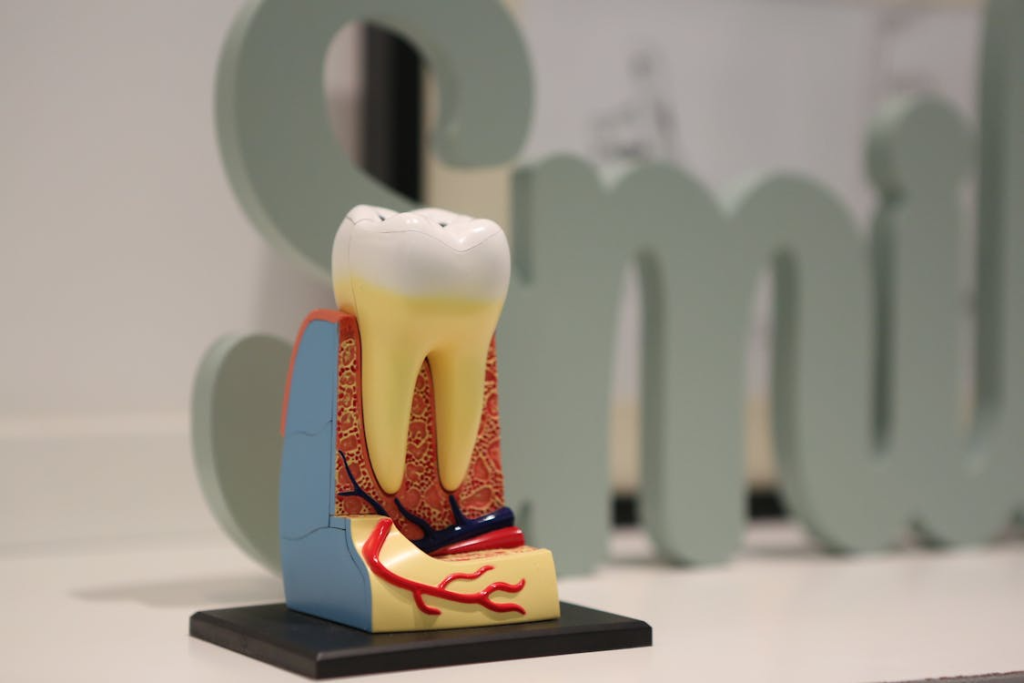
Understanding why this treatment becomes necessary requires a basic grasp of tooth anatomy. Your tooth has multiple layers: the hard outer enamel, the softer middle layer called dentin, and the innermost pulp chamber. The pulp extends down through the tooth’s roots via narrow channels—the root canals. This tissue plays a crucial role in tooth development, providing nutrients and forming the hard tissues. However, once a tooth is fully mature, it can survive without the pulp because surrounding tissues continue to nourish it.
Problems arise when bacteria penetrate the tooth’s protective layers and reach the pulp. This can happen through deep decay, repeated dental procedures on the same tooth, large fillings, cracks, chips, or trauma. Once bacteria invade the pulp chamber, they multiply rapidly in the warm, moist environment, causing infection or an abscessed tooth. When this occurs, dentists may recommend procedures such as root canal treatment in Jacksonville to remove the infected tissue, relieve pressure inside the tooth, and prevent the infection from spreading further. The body’s immune response creates pressure inside the rigid tooth structure, leading to intense pain and potential complications.
Without intervention, the infection spreads beyond the tooth’s root tip into the surrounding bone and tissues. This progression can destroy the bone supporting the tooth, create painful abscesses, and in severe cases, lead to systemic infection requiring hospitalization. Root canal treatment removes the infected pulp, disinfects the space, and seals it to prevent reinfection, allowing you to keep your natural tooth rather than having it extracted.
How Does a Tooth Become Infected and Require a Root Canal?
The pathway from healthy tooth to root canal necessity isn’t always obvious, which explains why many people are surprised when their dentist recommends this treatment. Understanding this progression helps explain why certain symptoms develop and why timing matters so much in treatment decisions.
The Process of Tooth Infection and Pulp Damage
Tooth infections typically begin with a breach in the tooth’s protective barriers. Deep cavities represent the most common entry point—when decay progresses through the enamel and dentin layers, bacteria gain direct access to the pulp chamber. However, infection can also occur through microscopic cracks in the tooth that aren’t visible to the naked eye, especially in teeth that have been stressed by grinding, clenching, or repeated thermal expansion and contraction.
Once bacteria enter the pulp, they encounter an ideal environment for rapid multiplication. The pulp’s rich blood supply initially helps fight the infection, but the confined space within the tooth works against healing. As bacteria multiply and toxins accumulate, the pulp tissue becomes inflamed—a condition called pulpitis. In early stages, this inflammation might be reversible with proper treatment, but as pressure builds within the rigid tooth structure, blood flow becomes restricted.
This creates a destructive cycle: reduced blood flow hampers the immune system’s ability to fight infection, allowing bacteria to proliferate further. Eventually, the pulp tissue begins to die (pulp necrosis), creating dead tissue that provides an even better food source for bacteria. The infection then spreads through the root canal system toward the tooth’s tip, where it can form an abscess in the surrounding bone.
Role of Nerve Damage in Root Canal Necessity
Nerve damage plays a central role in determining whether a tooth needs root canal treatment, and it often occurs gradually rather than suddenly. The nerves within the pulp are highly sensitive to pressure, temperature changes, and chemical irritants produced by bacteria. As inflammation increases, these nerves become hyperactive, sending intense pain signals even from minor stimuli like cold air or light pressure.
Interestingly, severe nerve damage can actually reduce pain temporarily. When nerves die, the intense sensitivity often subsides, leading many patients to believe their problem has resolved. This pain relief is deceptive—the infection continues spreading even though the warning system has been silenced. Dead nerve tissue provides fuel for bacterial growth, making the infection worse over time.
Nerve damage also affects the tooth’s ability to respond to temperature testing, which dentists use to assess pulp health. A healthy tooth will have a brief, sharp response to cold testing that quickly subsides. A tooth with irreversible pulp damage either won’t respond at all or will have a lingering, aching response. These diagnostic tests help determine whether the nerve damage is reversible (potentially treatable with a filling) or irreversible (requiring root canal treatment).
Common Symptoms That Indicate the Need for a Root Canal
Persistent tooth pain represents the hallmark symptom of pulp infection, but its characteristics are distinctly different from pain caused by cavities or sensitivity. Root canal pain typically has a deep, throbbing quality that seems to come from within the tooth rather than from the surface. This pain often intensifies when lying down because blood flow to the head increases, building pressure within the infected pulp chamber.
The persistence of this pain sets it apart from other dental discomfort. While cavity pain usually responds to avoiding certain foods or temperatures, root canal pain continues regardless of what you eat or drink. Many patients describe it as a constant ache that periodically escalates to severe, sharp pain. The pain might radiate to other teeth, the ear, or along the jaw line, making it difficult to pinpoint the exact source.
Temperature sensitivity in teeth requiring root canal treatment follows a specific pattern that helps distinguish it from normal sensitivity. Cold sensitivity that lingers for more than a few seconds after the stimulus is removed indicates significant pulp damage. However, what’s particularly telling is when cold initially provides relief from throbbing pain—this suggests the pulp is dying and the cold temporarily reduces inflammation and pressure.
Heat sensitivity is often an even stronger indicator of irreversible pulp damage. Healthy teeth rarely hurt from warm foods or drinks, so pain triggered by coffee, soup, or even warm ambient air often signals advanced infection. Patients frequently report that hot foods cause immediate, sharp pain that continues long after the heat source is removed.
Pain when biting or chewing occurs because infection spreads beyond the tooth’s tip into the surrounding periodontal ligament—the tissue that connects the tooth to the bone. This creates inflammation around the tooth’s root, making any pressure painful. Unlike pain from a loose filling or worn tooth surface, this discomfort feels deep and often prevents normal chewing on the affected side.
Visible and Physical Signs Related to Root Canal Infection

Tooth discoloration provides one of the most obvious visual clues that a tooth’s nerve has died. When the pulp tissue breaks down, blood and other cellular debris remain trapped inside the tooth, gradually darkening the tooth from within. This discoloration typically appears as a grayish, brownish, or dark yellow tint that’s distinctly different from surface staining caused by coffee, tea, or tobacco.
The discoloration usually develops gradually over months or years after nerve death, which explains why patients sometimes notice it long after their initial pain subsided. Unlike external stains that can be removed with cleaning or whitening, internal discoloration is permanent without professional intervention. A single darkened tooth among otherwise normal-colored teeth almost always indicates pulp death and the need for endodontic treatment.
Yellow or dark spots on the tooth surface can indicate areas where infection is breaking through the enamel. These spots often appear near the gum line or on the chewing surface and represent areas where bacteria and toxins from the infected pulp are seeping outward. Unlike typical surface stains, these spots usually have irregular borders and may feel slightly soft when pressed with a fingernail.
Swollen gums around an infected tooth occur when inflammation spreads from the tooth’s root into the surrounding tissues. The swelling might be localized to the area immediately around the affected tooth or extend along the gum line. Unlike general gum inflammation from poor hygiene, this swelling is often accompanied by tenderness and may feel warm to the touch.
In some cases, a small bump or pimple forms on the gum near the tooth’s root tip. This represents a fistula—a drainage pathway that allows infected material to escape from the abscess. Patients sometimes notice a bad taste in their mouth or feel fluid draining from this area. While the fistula might temporarily relieve pressure and pain, it indicates active infection that requires immediate treatment.
Cracked teeth can both cause and result from root canal infections. Deep cracks allow bacteria to reach the pulp, while infection can weaken tooth structure and make cracks more likely. Visible crack lines, especially those that extend toward the tooth’s center or below the gum line, often indicate significant damage requiring root canal treatment or extraction.
How Root Canal Symptoms Differ From Other Dental Problems
Understanding these distinctions can help you communicate more effectively with your dentist and avoid unnecessary anxiety about minor issues. Cavity pain typically responds predictably to stimuli—sweet, hot, or cold foods trigger sharp pain that subsides quickly when the stimulus is removed. This pain is usually localized to the tooth surface and improves with proper oral hygiene or temporary pain relief measures.
Root canal pain, by contrast, often seems to have a mind of its own. It might start spontaneously without any trigger, continue long after eating or drinking, and fail to respond to typical pain management strategies. The pain often feels deeper, more diffuse, and may be accompanied by pressure sensations or throbbing that matches your heartbeat.
Sensitivity from worn enamel or exposed roots causes sharp, brief pain when teeth contact hot, cold, sweet, or acidic substances. This sensitivity typically affects multiple teeth and improves with desensitizing toothpaste or fluoride treatments. Root canal sensitivity, however, usually affects only one tooth and often includes prolonged pain from heat—something rarely seen with simple sensitivity.
Gum disease symptoms can mimic some root canal signs, particularly swelling and tenderness. However, gum disease typically affects multiple teeth and improves with professional cleaning and better oral hygiene. Root canal-related gum swelling is usually localized to one tooth and may be accompanied by the persistent pain and temperature sensitivity described earlier.
Pain from a loose filling or crown tends to be sharp and immediate when biting on the affected tooth, but it typically doesn’t include the spontaneous pain or temperature sensitivity associated with root canal problems. Additionally, loose restorations often create obvious changes in how your teeth fit together when biting, while root canal pain usually doesn’t affect your bite pattern.
The key differentiator is often the combination and persistence of symptoms. While individual symptoms might overlap with other dental problems, the specific pattern of persistent pain, prolonged temperature sensitivity, and potential swelling usually points to pulp infection requiring endodontic treatment.
Impact of Root Canal Symptoms on Oral Health and Daily Life
Root canal symptoms extend beyond simple discomfort, creating cascading effects that impact overall oral health and quality of life. Bad breath (halitosis) frequently develops when tooth infection progresses, as bacteria in the infected pulp produce sulfur compounds and other volatile chemicals with distinctive odors. Unlike morning breath or food-related odors, this bad breath persists despite thorough brushing, flossing, and mouthwash use.
The bad breath associated with tooth infection often has a particularly unpleasant, metallic or putrid quality that patients and their close contacts notice. This occurs because the bacteria involved in pulp infection are often anaerobic species that thrive in low-oxygen environments and produce especially malodorous waste products. The smell may intensify when pressure is applied to the affected tooth or when chewing on that side.
Sleep disruption represents one of the most significant quality-of-life impacts of root canal symptoms. The throbbing pain characteristic of pulp infection often intensifies when lying down due to increased blood flow to the head. Many patients report being unable to sleep on the affected side or waking up repeatedly throughout the night as pain medication wears off.
This sleep deprivation creates a cycle of problems: lack of sleep reduces immune system function, making it harder for the body to fight infection, while pain and infection create stress hormones that further interfere with restorative sleep. The combination can affect work performance, mood, and overall health even before the dental infection becomes severe enough to cause systemic complications.
Eating difficulties develop as patients instinctively avoid chewing on the affected side. This compensation can lead to overuse of the opposite side, potentially causing TMJ problems, muscle tension, and uneven wear patterns on remaining teeth. The inability to chew normally may also lead to poor food choices—favoring soft, processed foods over nutritious options that require more chewing.
The inflammation and swelling associated with root canal infections can extend beyond the immediate tooth area, affecting facial appearance and function. Severe infections may cause noticeable facial asymmetry, difficulty opening the mouth fully, or swollen lymph nodes in the neck. These symptoms indicate that infection is spreading beyond the tooth and requires immediate professional attention.
Why Early Recognition of Root Canal Signs Is Important
The window for successful root canal treatment narrows as infection progresses, making early recognition crucial for preserving your natural tooth. When caught early, endodontic treatment has success rates exceeding 95%, allowing patients to keep their natural tooth for decades. However, delays can lead to complications that make treatment more complex, expensive, or impossible.
Preventing abscess formation represents one of the most critical reasons for early intervention. An abscess occurs when infection spreads beyond the tooth’s root tip, creating a pocket of pus in the surrounding bone. Abscesses can cause severe facial swelling, fever, and in rare cases, life-threatening complications if bacteria enter the bloodstream or spread to vital organs. Emergency room visits for dental infections have increased significantly in recent years, often because patients waited too long to seek treatment.
Early root canal treatment also preserves more tooth structure. Advanced infections can weaken the tooth significantly, requiring more extensive restoration after the root canal procedure. Teeth treated early often need only a filling, while those treated after significant damage may require crowns or other complex restorations. In extreme cases, extensive destruction may make the tooth impossible to save, necessitating extraction and replacement.
The financial implications of delayed treatment are substantial. A routine root canal and restoration typically costs much less than the alternatives required when treatment is delayed—extraction followed by an implant, bridge, or partial denture. Additionally, complications from untreated infections may require emergency care, antibiotics, or even hospitalization in severe cases.
Perhaps most importantly, maintaining your natural tooth provides benefits that no artificial replacement can fully duplicate. Natural teeth have proprioceptors—nerve endings that provide feedback about bite force and food texture. This sensory input helps with proper chewing function and protects against excessive bite forces that could damage other teeth or dental work.
Modern endodontic techniques have made root canal treatment highly successful and comfortable. Local anesthesia eliminates pain during the procedure, and most patients experience minimal discomfort afterward. The alternative—losing a natural tooth—creates a lifetime of replacement considerations, potential complications, and ongoing costs.
If you’re experiencing persistent tooth pain, prolonged sensitivity to hot or cold, or any of the other symptoms described here, don’t wait for the problem to worsen. Early professional evaluation can determine whether root canal treatment is needed and help you preserve your natural smile for years to come. The investment in timely treatment almost always pays dividends in long-term oral health, comfort, and quality of life.
Other Articles You May Find of Interest...
- Why Your Teeth May Look Healthy but Still Need Dental Attention
- What Goes Into Developing an Alcohol-Free Mouthwash Beyond the Ingredient List
- 6 Best Dentist Options in Reston, Virginia for Family, Cosmetic, and Emergency Care
- Why Comprehensive Dental Care Matters at Every Stage of Life
- Why Preventive Dental Care Matters at Every Stage of Life
- Colored Braces: A Practical Guide for Teens and Parents in the UAE
- Brushing Teeth for Kids: Secrets to Making Healthy Habits Actually Stick





