More Allergy, Asthma & Infectious Disease Articles
Eczema Flare-Ups: Discovering Their Triggers and Solutions
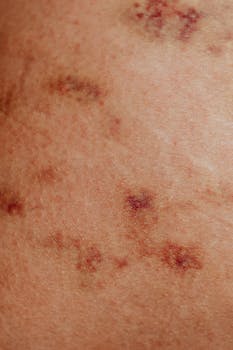
Eczema, a common skin condition characterized by inflammation and itchy, dry skin, can be a source of ongoing discomfort for many individuals. Understanding what causes eczema flare ups is essential for managing this condition effectively. Flare-ups can be triggered by a variety of factors, and recognizing these can help you mitigate their impact.
What Causes Eczema Flare Ups?
Identifying what causes eczema flare ups is crucial to minimizing your symptoms and improving your skin health. These flare-ups often occur due to a combination of environmental, lifestyle, and genetic factors. While each person’s triggers can be unique, many common elements can exacerbate the condition.
Environmental Factors
The environment plays a significant role in triggering eczema flare-ups. Changes in weather, especially cold and dry air, can lead to skin dehydration and irritation. Moreover, exposure to household allergens such as dust mites, pet dander, and mold can amplify symptoms.
Allergic Reactions
Your skin might react to certain products or materials, leading to eczema flare-ups. Common irritants include soaps, shampoos, detergents, and even metals like nickel found in jewelry. Opting for hypoallergenic products may help reduce the likelihood of a reaction.
Stress and Emotional Factors
Stress isn’t just a mental burden; it’s a physical one as well. Stress can worsen eczema by causing inflammation in the body. Techniques such as meditation, yoga, and regular exercise can be beneficial in reducing stress levels.
Dietary Influences
While food allergies are not a central cause of eczema, some individuals report that specific foods exacerbate their flare-ups. Common dietary triggers include dairy, nuts, citrus fruits, and gluten. Keeping a food diary may help identify if certain foods are aggravating your symptoms.
For more insights on how lifestyle choices can impact overall health and potentially influence eczema flare-ups, you can explore this informative article.
Genetic Factors
Eczema often runs in families, indicating a genetic predisposition towards the condition. While you cannot alter your genes, understanding that eczema might be part of your family history can aid in taking preventive measures.
Solutions to Manage Eczema Flare-Ups
Managing eczema effectively requires a combined approach of treatment, lifestyle changes, and ongoing health monitoring.
Skincare Routine
A tailored skincare routine focusing on hydration and gentle care is crucial. Use fragrance-free moisturizers and cleansers to minimize skin irritation. Applying moisturizer right after bathing can help seal in moisture.
Medical Treatment
For more severe cases of eczema, consult with a healthcare provider. They may recommend topical corticosteroids or other prescription medications. It’s important to discuss any potential side effects or interactions with other medications you may be taking.
Home Remedies and Natural Options
While prescription treatments may be necessary, home remedies like oatmeal baths and coconut oil can provide relief for mild irritation. It’s important to remember that while these remedies may support skin health, they are not cures and should be used in conjunction with medical advice.
Preventive Measures
Avoiding known triggers is the most effective preventive measure for eczema flare-ups. This includes using humidifiers during dry months, opting for soft, breathable fabrics, and staying away from known allergens.
For more comprehensive information about eczema and its management, you may visit Wikipedia’s Health page.
Understanding what causes eczema flare ups is the first step towards effective management. By recognizing your triggers and implementing appropriate solutions, you can enhance your quality of life and reduce the frequency of flare-ups.
- Eczema flare-ups are influenced by various factors including environmental, stress, and diet.
- Identifying personal triggers is key to managing symptoms effectively.
- Implementing a consistent and gentle skincare routine is essential.
- Consultation with healthcare providers for medical treatment is recommended for severe cases.
- Protecting skin against known irritants and allergens can prevent flare-ups.
What is the main cause of eczema flare-ups?
Eczema flare-ups can be triggered by a combination of factors including environmental changes, stress, allergens, and personal skin sensitivities.
Can diet affect eczema?
While food allergies don’t cause eczema directly, some people may find that certain foods exacerbate their symptoms. Keeping a food diary can help identify potential dietary triggers.
Are natural remedies effective against eczema?
Natural remedies such as moisturizing with coconut oil or taking oatmeal baths may provide relief for mild symptoms, but they should be used in conjunction with medical advice for more severe cases.
How does stress impact eczema?
Stress can negatively affect eczema by causing bodily inflammation, which may worsen symptoms. Stress management techniques can be beneficial in controlling flare-ups.
Is eczema hereditary?
Yes, eczema can run in families, suggesting a genetic component. Knowing family history can help in taking preventive measures to manage the condition.
Other Articles You May Find of Interest...
- How to Keep Pollen Out of Your Home: Choosing an Air Purifier for Pollen
- When Should Your Child See a Pediatric Allergist? A Three-Trigger Test
- Candida sp. rRNA Results: What Molecular Testing Detects
- Ant Bites or Poison Ivy? How the Rashes Differ
- Can Stress Cause Cold Sores on the Lips?
- Gram-Positive Rods in a Blood Culture: Contamination or Infection?
- Can Head Lice Get Into Your Ears?